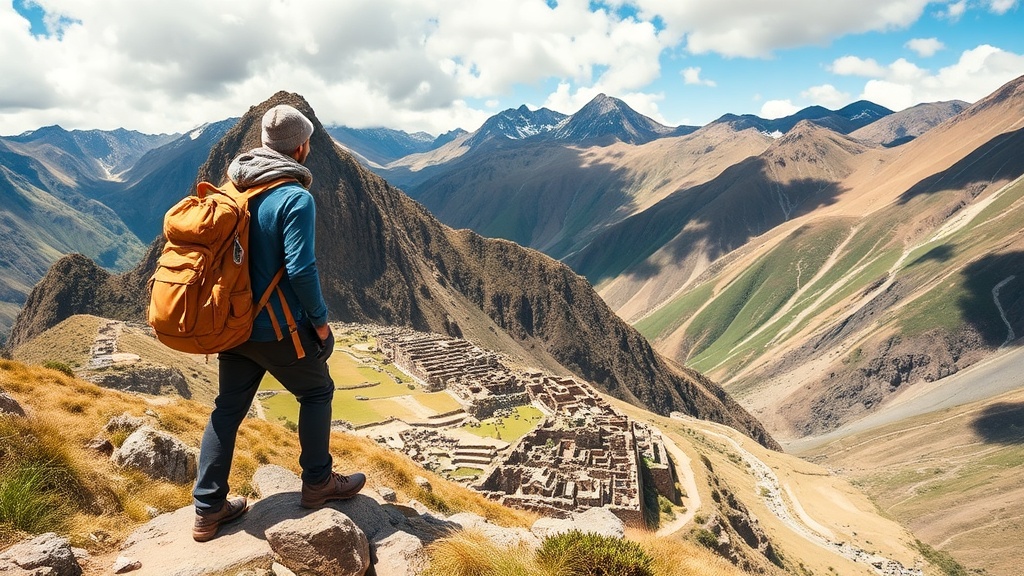
Navigating the High Altitudes: A Guide to Trekking the Sacred Valley

Let’s get one thing straight: the Sacred Valley of Peru is not a playground for the uninitiated. It is a high-altitude, high-stakes environment where the logistics of your survival depend entirely on your preparation, not your Instagram aesthetic. I’ve spent years auditing supply chains and travel routes, and if there is one thing I’ve learned, it’s that "adventure" is often just a marketing term for "poorly planned discomfort."
The Sacred Valley—stretching from Cusco down toward Machu Picchu—is a complex network of agricultural terraces, mountain passes, and ancient stone paths. It is breathtaking, yes, but it is also physically taxing and ecologically fragile. If you approach this trek with a "wing it" attitude, you aren't just risking a bad trip; you’re risking your health and putting undue pressure on local infrastructure. This guide is designed to strip away the fluff and give you the tactical intelligence you need to navigate this terrain sustainably and effectively.
The Altitude Reality Check
Before you even pack a bag, we need to talk about hypoxia. You cannot out-train altitude. Whether you are trekking through the Maras salt mines or climbing toward the passes of the Andes, your body is operating in a low-oxygen environment. Most travelers make the mistake of rushing from the lowlands straight into high-intensity movement. That is a logistical error that leads to altitude sickness (soroche).
The Protocol:
- Acclimatization is Non-Negotiable: Spend at least 48 to 72 hours in Cusco or the Sacred Valley (Ollantaytambo is a great mid-point) before attempting any significant elevation gain.
- Hydration as Fuel: It isn't just about drinking water; it's about electrolyte management. Dehydration mimics and exacerbates altitude sickness.
- Listen to the Body: If you have a persistent headache or nausea, stop. Do not "push through it." In high-altitude environments, "pushing through" is a fast track to pulmonary edema.
I’ve seen many travelers fall for the allure of "exclusive" high-altitude stays, only to realize the amenities are a facade. Much like the off-grid eco-lodge trap, many high-end mountain retreats promise "connection to nature" while actually creating massive waste footprints in areas with zero recycling infrastructure. If you are staying in remote lodges, audit their waste management policies before booking.
Logistical Planning: Gear and Waste Management
In the Andes, your gear is your life support system. Because the weather can shift from blistering sun to freezing rain in twenty minutes, layering is a technical requirement, not a fashion choice. However, the more gear you carry, the higher your environmental footprint. My philosophy is simple: high-quality, multi-use items that last a decade, not a season.
The Essential Kit:
- Technical Layering: A moisture-wicking base layer, a mid-weight fleece, and a high-quality hardshell jacket. Avoid cotton at all costs; once cotton gets wet from sweat or rain, it stays wet and drains your body heat.
- Footwear: Broken-in waterproof hiking boots. Do not show up with brand-new boots and expect to finish a trek without blisters.
- Water Filtration: Carrying dozens of single-use plastic bottles up a mountain is a logistical and ethical failure. Invest in a high-quality filtration system or UV purifier.
I recently wrote about mastering the art of zero-waste trekking in the Andes, and the principles apply here just as much as they do in Patagonia. Your goal should be to leave absolutely no trace. This means packing out everything you pack in—including organic waste like fruit peels, which can disrupt local soil chemistry and ecosystems.
Navigating the Routes: From Ollantaytambo to the High Passes
The Sacred Valley offers various levels of difficulty. You can choose a gentle walk through the agricultural terraces or a grueling ascent through mountain passes. Regardless of your choice, the logistics of movement remain the same: respect the terrain.
The Lower Valley: Cultural Immersion
The routes around Ollantaytambo and Pisac are more accessible and focus heavily on archaeological sites. These are great for warming up your legs, but don't be fooled—the stone steps are steep and unforgiving. If you are traveling with a group, ensure you have accounted for the varied physical abilities of your members. For more on managing group dynamics in remote areas, check out this guide on avoiding budget and logistical pitfalls in group travel.
The High Altitudes: The Real Challenge
For those looking for true isolation, the treks that lead toward the high passes offer unparalleled views of the Andean peaks. These routes require much more rigorous planning. You will likely be camping or staying in very basic mountain refugios. Here, the "luxury" of a hot shower or a cooked meal is a privilege, not a right. Expect minimal amenities and be prepared to manage your own energy levels through caloric intake. High-altitude trekking requires more fuel—both for your body and your stove.
The Ethics of "Eco-Tourism" in the Sacred Valley
This is where I get most critical. The Sacred Valley is a magnet for "voluntourism" and "eco-conscious" labels that often mask exploitation. You will see countless "sanctuaries" and "animal rescues" popping up on social media. Before you book a visit to any wildlife-related attraction, perform your own audit. Is the facility truly rehabilitating animals, or is it a photo-op for tourists? I have detailed how to spot these issues in my wildlife sanctuary audit.
True sustainable travel in the Sacred Valley looks like:
- Supporting Local Cooperatives: Buying textiles directly from weavers in Chinchero rather than from a souvenir shop in Cusco.
- Hiring Local Guides: Not just for the "authentic experience," but because local guides possess the granular topographical and meteorological knowledge that a centralized agency lacks.
- Minimizing Water Usage: In high-altitude valleys, water is a precious resource managed by local farmers. Your long, hot showers in a mountain lodge are a luxury that impacts the local water table.
Practical Survival Tips
To ensure your trek is a success rather than a logistical nightmare, keep these three non-negotiables in mind:
"Preparation is the difference between a transformative experience and a dangerous one. In the mountains, there is no such thing as 'too much preparation,' only 'not enough information.'"
1. The Sun is Your Enemy: At high altitudes, the atmosphere is thinner, providing less protection from UV rays. Even on cloudy days, you can burn. High-altitude sun exposure is a leading cause of fatigue and skin damage. Wear a wide-brimmed hat and high-SPF sunscreen—and ensure your sunscreen is reef-safe/biodegradable to protect local water sources.
2. Manage Your Energy: Trekking in the Andes is a marathon, not a sprint. Eat small, frequent meals high in complex carbohydrates. If you wait until you are starving to eat, you will crash. This is a fundamental rule of endurance logistics.
3. Respect the Local Pace: The culture in the Sacred Valley moves at a different rhythm than the frantic pace of Western cities. This isn't "inefficiency"; it is a way of life. When dealing with local transport or guides, practice patience. Trying to force a faster pace often results in friction and poor service.
Final Audit: Is the Sacred Valley Right For You?
The Sacred Valley is a magnificent, complex, and demanding landscape. It is not a place for those seeking a sanitized, "Instagram-perfect" version of nature. It is a place for those who want to engage with history, geography, and the physical limits of their own bodies.
If you are looking for a predictable, low-effort vacation, look elsewhere. Perhaps a more structured trip through a developed region would suit you better—much like the logistical precision required for navigating Japan with a large group. But if you are willing to do the work, to audit your gear, to respect the altitude, and to tread lightly on the earth, the Sacred Valley will offer you an experience that no luxury resort ever could.
Plan your logistics, respect the altitude, and leave the valley exactly as you found it.