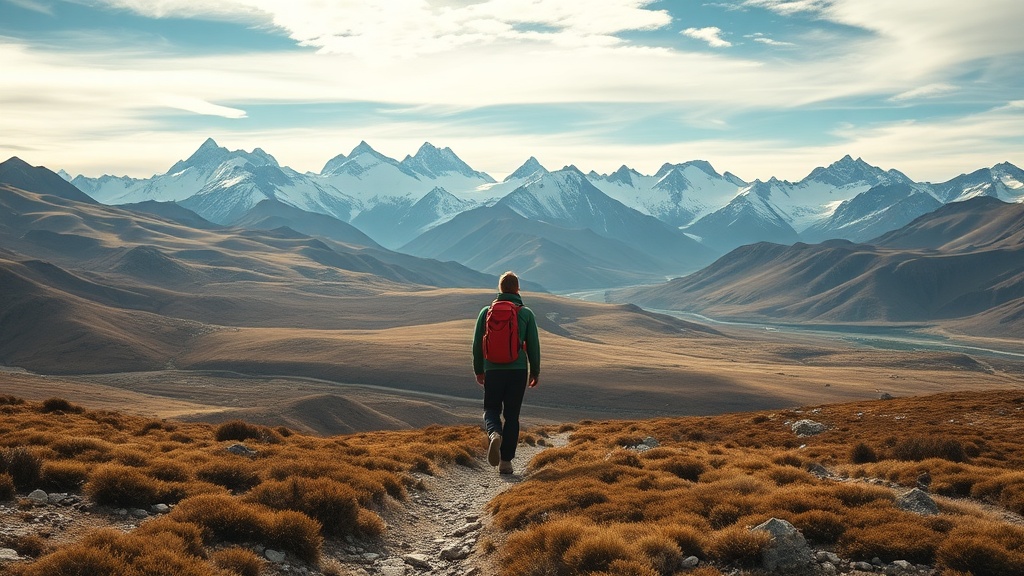
Mastering the Art of Zero-Waste Trekking in the Patagonian Andes

The Patagonia Paradox: Why "Leave No Trace" Isn't Enough
I spent a decade in global logistics, managing supply chains where "efficiency" meant moving maximum volume with minimum friction. When I transitioned to full-time adventure travel, I realized the travel industry has a massive efficiency problem: it’s incredibly good at moving waste into the most pristine corners of the planet. Nowhere is this more evident than in the Patagonian Andes. The region is a magnet for trekkers, but the sheer volume of single-use plastics, discarded packaging, and human waste is putting an unsustainable strain on the delicate ecosystems of Torres del Paine and Los Glaciares.
Most "eco-friendly" advice you read online is surface-level. It tells you to bring a reusable water bottle and calls it a day. That’s not a strategy; that’s a baseline. Real zero-waste trekking requires a logistical audit of your entire kit before you even leave your house. You have to treat your backpack like a closed-loop system. If a piece of packaging enters your pack in your kitchen, it must be accounted for when you return to civilization. There is no "away" in the Andes.
The Pre-Trip Audit: Decanting and De-packaging
The most critical stage of zero-waste trekking happens in your kitchen, not on the trail. The mistake most travelers make is buying "trail-ready" snacks. These are often heavy on single-use plastic wrappers and "lifestyle" branding. Instead, I want you to approach your food prep like a warehouse manager.
The Decanting Method: Buy your staples—oats, nuts, dried fruit, pasta, and grains—in bulk. Transfer them into reusable, lightweight silicone bags or lightweight, durable containers. If you are using dry goods, ensure they are airtight to prevent moisture ingress, which is a major issue in the unpredictable Patagonian climate.
The Protein Problem: Dehydrated meals are a staple for a reason, but the foil pouches they come in are a nightmare for waste management. If you are on a budget, skip the expensive pre-packaged dehydrated meals and make your own. It’s cheaper and far more sustainable. You can even look into smart snacking strategies to ensure you are getting high-density nutrition without the excess weight or packaging.
Before you head out, audit your gear. Don't fall for the "buy more to do more" trap. I’ve spent a lot of time in the Gear Lab auditing lifetime gear warranties, and the truth is that high-quality, repairable gear is the only way to truly reduce your footprint. If you’re buying gear that will end up in a landfill after one season, you aren't an adventurer; you're a consumer.
Water Logistics: Beyond the Nalgene
Patagonia has some of the purest glacial meltwater in the world, but you cannot simply stick your bottle in a stream and hope for the best. Microplastics, upstream livestock, and even human activity can contaminate water sources. However, the "solution" often presented is a mountain of single-use plastic bottles.
- The Filtration System: Invest in a high-quality, durable water filter or UV purifier. A pump or a squeeze filter is a one-time investment that eliminates the need for any bottled water.
- The Vessel: Use stainless steel or high-grade BPA-free plastic. Avoid the temptation of "disposable" electrolyte packets that come in small plastic sachets. Instead, buy bulk electrolyte powders and use a small, reusable dropper or a tiny, airtight tin to carry your daily dose.
- The Maintenance: Keep your filtration system clean. A clogged filter is a logistical failure that can end a trek prematurely.
Managing the "Invisible" Waste
When people think of waste, they think of trash. They rarely think of human waste or gray water. In the high-altitude, low-decomposition environments of the Andes, your biological footprint can last for years.
The Trowel and the TP: If you are trekking in areas where facilities are non-existent, you need a plan for human waste. I recommend a lightweight, foldable camping shovel. The rule is simple: dig a hole, do your business, and ensure you are far away from water sources. Regarding toilet paper: many people think it's "natural," but it doesn't biodegrade quickly in cold climates. If you can, use a bidet attachment or simply use a dedicated "pee cloth" (which is much more efficient and produces zero waste). If you must use paper, it must be packed out in a dedicated, sealable waste bag.
Gray Water and Hygiene: This is where many "eco-lodges" fail the audit. You might find yourself staying in a place that claims to be sustainable, but if they aren't managing their wastewater, they are part of the problem. I've written extensively about the logistics of remote accommodations and how their "green" claims often fall apart under scrutiny. When you are on the trail, use biodegradable, scent-free soap and ensure you are at least 200 feet from any water source when washing.
The Gear Trap: Avoiding the "Eco-Marketing" Mirage
As you prepare for the Andes, you will be bombarded with marketing for "sustainable" gear. Be skeptical. "Eco-friendly" can be a meaningless term used to justify a 30% markup.
A truly sustainable piece of gear is one that is:
- Durable: It can withstand the brutal Patagonian winds and rain for years.
- Repairable: There is a clear path to fixing it when it breaks.
- Transparent: The company can actually prove their supply chain claims.
I often see travelers fall for the "Bio-Harmony" or "Nature-Sync" lifestyle trends, thinking that buying a specific brand of organic cotton clothing will offset their impact. This is a distraction. A highly technical, synthetic jacket that lasts 15 years is far better for the planet than five "organic" jackets that fail after one season. Don't get distracted by the aesthetics of sustainability; look at the lifecycle of the product.
The Social Impact: Respecting the Local Economy
Zero-waste trekking isn't just about what you carry; it's about how you spend your money. In Patagonia, the economy is heavily reliant on tourism, but the wealth often doesn't trickle down to the people actually maintaining the trails.
Avoid the "Instagram Exploitation" trap. Many "sanctuaries" or "eco-resorts" are designed specifically to look good in a photo while actually stripping resources from the local community. Before you book, do a quick audit. Is the staff local? Are they paid a living wage? Is the "wildlife experience" actually a controlled environment? I've detailed how to spot these issues in my wildlife sanctuary audit.
Instead, spend your money at local refugios (mountain huts) and with local guides. These small businesses are the backbone of the Patagonian trekking culture. They understand the terrain and the weather in a way no app ever will. By supporting them, you ensure that the local community has a vested interest in protecting the land you are there to enjoy.
A Final Logistical Checklist
Before you zip up your pack and head toward the granite spires of the Fitz Roy, run this final audit. If you can't account for a single item, it shouldn't be in your bag.
- Packaging Audit: Have I removed all unnecessary cardboard and plastic from my food supplies?
- Waste Plan: Do I have a dedicated, airtight bag for all my trash (including organic waste and hygiene products)?
- Water Strategy: Do I have a mechanical filter and a way to carry at least 3 liters of water without using single-use bottles?
- Repair Kit: Do I have a small kit (needle, thread, duct tape, patch kit) to fix gear on the fly rather than replacing it?
- Energy Check: If I'm using electronics, am I using a high-capacity power bank and a solar charger rather than relying on disposable batteries?
The Patagonian Andes are a masterpiece of geology and climate. They are also incredibly fragile. True adventure travel isn't about conquering the elements; it's about moving through them with as little disruption as possible. Stop being a consumer of the landscape and start being a steward of it. The logistics of zero-waste are difficult, but they are the only way to ensure these mountains remain wild for the next generation of explorers.