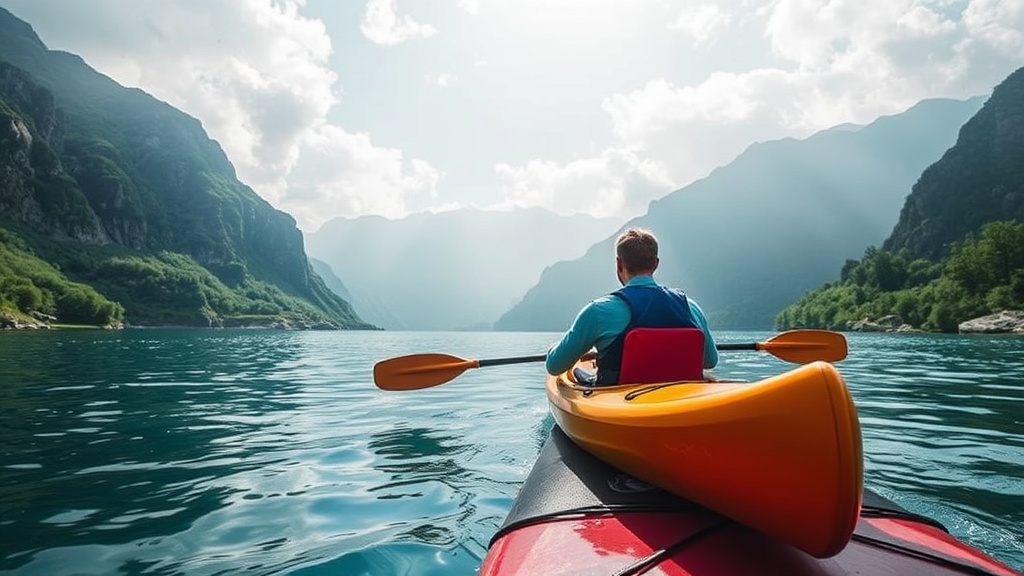
Navigating the Emerald Labyrinth: A Guide to Kayaking Soca Valley

I spent a decade in global logistics, where "efficiency" wasn't a buzzword—it was a survival mechanism. When I transitioned to founding EcoExplorer, I brought that same audit-heavy mindset to travel. I don't care about the glossy brochures or the "eco-friendly" labels that are often nothing more than clever marketing. I care about the actual impact on the ground and the logistical reality of your budget.
The Soča Valley in Slovenia is frequently marketed as a pristine, untouched paradise. While the emerald water is undeniably breathtaking, the reality of visiting this high-traffic adventure hub requires more than just a swimsuit and a sense of wonder. It requires a plan. If you want to navigate the "Emerald Labyrinth" of the Soča River without contributing to the degradation of the very landscape you came to see, you need to understand the mechanics of the valley.
The Logistics of the River: Choosing Your Grade
The Soča isn't a single uniform entity; it is a changing variable depending on where you drop in. As a traveler, your first mistake will be assuming that "kayaking" is a monolith. The river's difficulty and flow rate change significantly based on the season and the specific stretch of water.
The Upper Soča: Technical and Demanding
The upper reaches are for the experienced. This is where the river gets technical, with tighter turns and more frequent obstacles. If you are an amateur, do not attempt to self-guide here. The logistical cost of a rescue in these sections is high—not just in Euros, but in the physical toll on the river ecosystem if emergency gear is dropped or misplaced.
The Middle and Lower Soča: The Sweet Spot
For most travelers, the middle sections offer the best balance of scenery and manageable rapids. This is where you can actually enjoy the emerald hues without being in a constant state of fight-or-flight. However, even here, the water is cold and the current is relentless. Much like navigating high altitudes in the Sacred Valley, you must respect the environment's inherent power. The river dictates the terms; you are merely a visitor.
The Sustainability Audit: Avoiding the "Green" Veneer
In the Soča Valley, you will encounter numerous outfitters claiming to be "eco-friendly." I’ve audited enough of these claims to know that a recycled plastic sign doesn't make a business sustainable. When choosing a kayaking operator, look past the marketing and look at their operational footprint.
Ask these three questions before booking:
- What is your waste management protocol for river excursions? Do they provide reusable water bottles, or are they handing out single-use plastics to every group?
- How do you manage river access points? Are they contributing to erosion by creating unofficial paths, or are they using established, reinforced entry points?
- What is your equipment lifecycle? High-quality, durable gear lasts longer and stays out of landfills. If an outfit is constantly replacing cheap, low-grade equipment, they aren't playing the long game.
Be wary of the "Instagrammable" spots that are being overrun by crowds. Just as I've warned in my audit of wildlife sanctuaries, many "natural" wonders are being degraded by the very people who claim to love them. If a specific rapid or bend in the river is being used as a primary photo backdrop for influencers, it’s likely suffering from soil compaction and bank erosion. Move on. Find your own angle.
Gear and Preparation: The Pragmatic Approach
I am allergic to "lifestyle" gear. You don't need the most expensive, branded technical apparel to have a great time, but you do need the right utility. In the Soča, the primary variable is temperature. Even in mid-summer, the water is glacial. If you aren't properly insulated, you aren't just uncomfortable—you are a liability.
The Essential Checklist:
- Neoprene/Dry Suit: Do not skimp here. If you are renting, ensure the gear is well-maintained and doesn't have compromised seams.
- PFD (Personal Flotation Device): This is non-negotiable. A poorly fitting PFD is nearly as useless as no PFD at all.
- Waterproof Dry Bags: Use them for everything. A lost phone or a soaked map is a logistical failure that can ruin a trip.
- Footwear: You need grip. The riverbed is a mix of smooth stones and jagged limestone.
I often see travelers attempting to "optimize" their energy by ignoring their physical rhythms. While you're out on the water, your body is working harder than you realize. If you find yourself feeling fatigued, don't push through it blindly. It is often helpful to align your physical output with your body's natural cycles, similar to the principles found in optimizing meal timing for bio-harmony, to ensure you have sustained energy for the technical sections of the river.
Budgeting for the Valley: Real Costs vs. Perceived Value
The Soča Valley can be surprisingly expensive if you aren't careful. The "adventure tourism" tax is real. To keep your costs down without sacrificing safety or ethics, you need to approach your booking like a supply chain manager.
1. Group Dynamics: The cost per person drops significantly when you book as a group. If you are a solo traveler, look for local hostels or adventure hubs that organize group departures. It’s better for your wallet and slightly better for the social fabric of the valley.
The Ethical Kayaker’s Code
If you want to leave the Soča Valley as beautiful as you found it, you have to adopt a "leave no trace" mentality that goes beyond just picking up your trash. It’s about how you move through the space.
"The goal of sustainable travel isn't just to minimize damage; it's to ensure that your presence doesn't fundamentally alter the rhythm of the place."
This means:
- Respecting the Banks: Avoid dragging your kayak or gear over the vegetation on the riverbanks. This is where the most significant erosion occurs.
- Noise Control: The sound of the river is part of its ecosystem. Blasting music from a waterproof speaker isn't just annoying; it's an intrusion on the local wildlife and other travelers.
- Zero-Waste Mindset: If you are bringing snacks or drinks, ensure everything is in a reusable or highly durable container. If you see trash left by someone else, pick it up. It’s a small cost for a massive impact.
As you prepare for your trip, take a moment to disconnect. The mental clarity you gain from a digital detox will serve you well when you're navigating technical rapids. Much like the 48-hour tech-free challenge, the goal is to be fully present in the physical world. The Soča demands your full attention; if your mind is on your notifications, you've already lost the battle.
The Soča Valley is a masterpiece of natural engineering. It is powerful, temperamental, and incredibly beautiful. Approach it with the respect a professional would show a complex supply chain: with preparation, a keen eye for detail, and a commitment to leaving the system intact for the next person. Happy paddling.