
Gear Lab: Auditing 'Lifetime' Gear Warranties

Look, let's be real: the outdoor gear industry has a massive greenwashing problem, and it's hiding in the fine print of your warranty card.
If you've ever shopped for sustainable outdoor gear, you've seen the word "lifetime" slapped across backpacks, jackets, and boots. It sounds like a commitment to the planet. Buy it once, repair it forever, keep it out of the landfill. But the math doesn't add up when you actually read the logistics.
In consumer law, a "lifetime warranty" rarely means your lifetime. It legally refers to the "reasonable lifetime of the product." For a lightweight running jacket, that might be two years. After that? The warranty is void.
Worse is the "Trash and Replace" loophole. When you mail back a broken zipper to a budget brand claiming a lifetime guarantee, they aren't firing up a sewing machine. The logistics of localized repair are messy and expensive. It is significantly cheaper for them to toss your otherwise perfectly functional jacket into a landfill and ship you a brand new one from overseas. That isn't sustainability; that's just a subsidized replacement program masquerading as eco-friendly policy.
To keep things transparent, I ran a BS-meter audit on the repair supply chains of three major brands to see who is actually fixing gear.
1. Patagonia (The Worn Wear Audit)
BS-Meter Rating: 1/10 (The lowest BS in the industry)
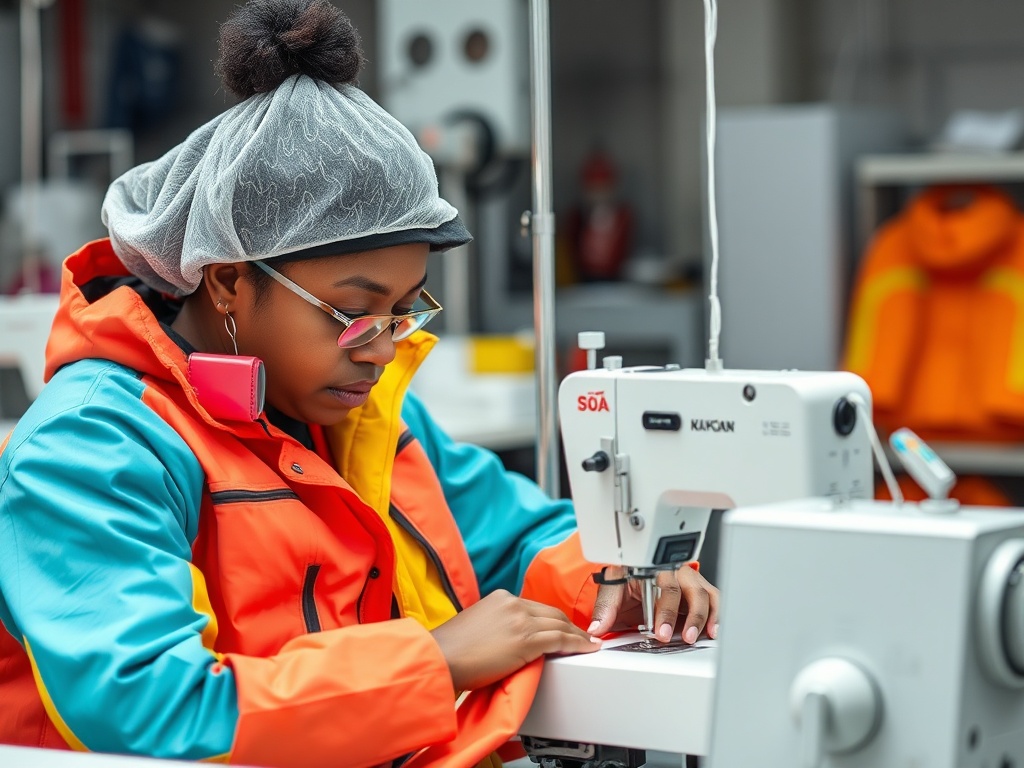
The Logistics: Patagonia actually operates one of the largest garment repair facilities in North America. If your zipper busts or your shell tears, they genuinely repair it. The trade-off? You might wait 6-8 weeks during peak season. They also charge a small fee for certain complex repairs, which is a good thing—it means they aren't subsidizing cheap throwaway items.
2. Osprey (The Almighty Guarantee)
BS-Meter Rating: 2/10
The Logistics: Osprey's "Almighty Guarantee" is famous for being incredibly literal. They will repair any damage or defect for any reason free of charge, regardless of when it was purchased. My audit of their repair center confirms they actually fix the bags. I sent in a 10-year-old pack with a shredded hip belt; it came back stitched up with mismatched fabric. (A badge of honor, frankly). If they absolutely cannot fix it, they replace it—but they actively try to avoid that step.
3. The Generic "Send it Back" Brands
BS-Meter Rating: 9/10
The Logistics: I won't name the specific mid-tier brands here, but you know them. They offer a "limited lifetime guarantee" but lack any domestic repair infrastructure. When I tested one by sending in a backpack with a torn strap, I received a brand new backpack in plastic wrapping three days later. The old one? Trashed.
If we are serious about harm-reduction in our travel, we need to stop rewarding companies that use "lifetime" as a buzzword for "free replacements." Ask brands about their repair facilities before you buy.
(And if your gear does break, maybe just patch it yourself with some Tenacious Tape. Your backpack looks better with a little dirt and duct tape on it anyway.)
This logistics audit is part of our Planning Guides and Adventure Notes series.