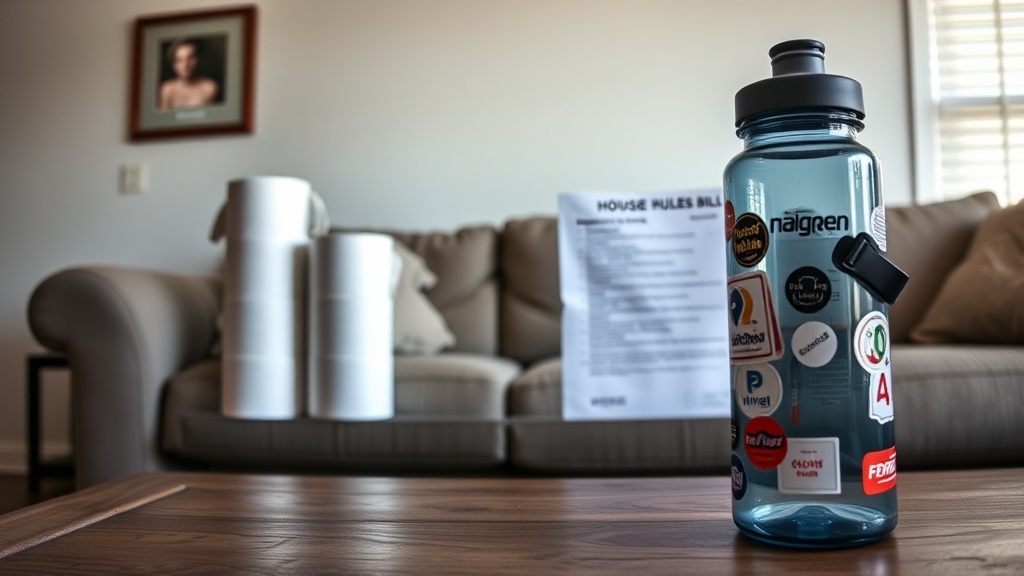
The 'Eco-Friendly' Rental Audit: Spotting the Bamboo Toilet Paper Scam

Look, let's be real: as we move into the summer 2026 travel season, the short-term rental market has figured out that slapping the word "eco-retreat" on a listing allows them to charge a 30% premium. You scroll through the photos and see exactly what the algorithm wants you to see: macramé wall hangings, refillable amber glass soap dispensers, and a prominent shot of bamboo toilet paper in the bathroom.
I treat travel like a field operation, and the core of any successful operation is logistics. When you actually run the numbers on these properties, the bamboo toilet paper is just the modern equivalent of the reuse your towel scam. It’s a cheap, highly visible aesthetic choice designed to distract you from the massive structural footprint the rental has on the local community and energy grid.
Here is my BS-free, pragmatic audit framework for evaluating if your basecamp is actually sustainable, or if you're just paying extra for performative marketing.
The Ownership Audit: Follow the Money
The most crucial aspect of sustainable travel is economic leakage. When you book a corporately managed, whole-house rental that was bought specifically to be an investment property, the money leaves the community immediately. Worse, it removes housing stock from local residents, driving up prices and forcing service workers to commute further (which drastically increases regional carbon emissions).
A true eco-friendly rental keeps cash local. I always prioritize renting a spare room, an ADU (accessory dwelling unit) on an occupied property, or a home clearly managed by an individual resident. The math checks out: when the owner lives in the same zip code, the economic benefits of your stay actually support the local infrastructure.
The Structural Energy Reality Check
I have zero patience for "rustic cabins" that boast about their organic coffee beans while featuring single-pane windows, zero insulation, and an ancient electric HVAC system struggling to keep the place warm.
Aesthetics do not sequester carbon. Structural efficiency does. When auditing a listing, ignore the decor and look at the bones of the building. Do they mention heat pumps, solar offsets, or modern insulation? A standard, well-sealed modern hotel room in a dense urban grid is often vastly more energy-efficient per square foot than a drafty, detached "nature cabin."
The Basecamp Vibe Check: Location Logistics
If your "eco-retreat" requires you to drive a massive SUV 45 minutes down a dirt road just to get groceries, the math doesn't add up. Even if you took my advice and ran the numbers on your rental car, the transportation emissions of an isolated location quickly negate any savings from the host's compost bin.
The most mathematically sound move? Book a smaller rental in a walkable, second-tier city. Proximity to local public transit, walkable grocery stores, and neighborhood restaurants is the ultimate sustainability flex.
The Pragmatic Verdict
Travel involves trade-offs. I’m not saying you can’t enjoy a nice cabin in the woods. Just don’t let the marketing agencies sell you a guilt-free pass because they bought recycled toilet paper.
Before you finalize your summer bookings, run the audit. Demand transparent energy and ownership data over aesthetics. Now, if you'll excuse me, I need to fill up The Tank and prep my gear for the next field test. Progress over perfection, fellow humans.