The 'Reuse Your Towel' Scam: Auditing Hotel Greenwashing

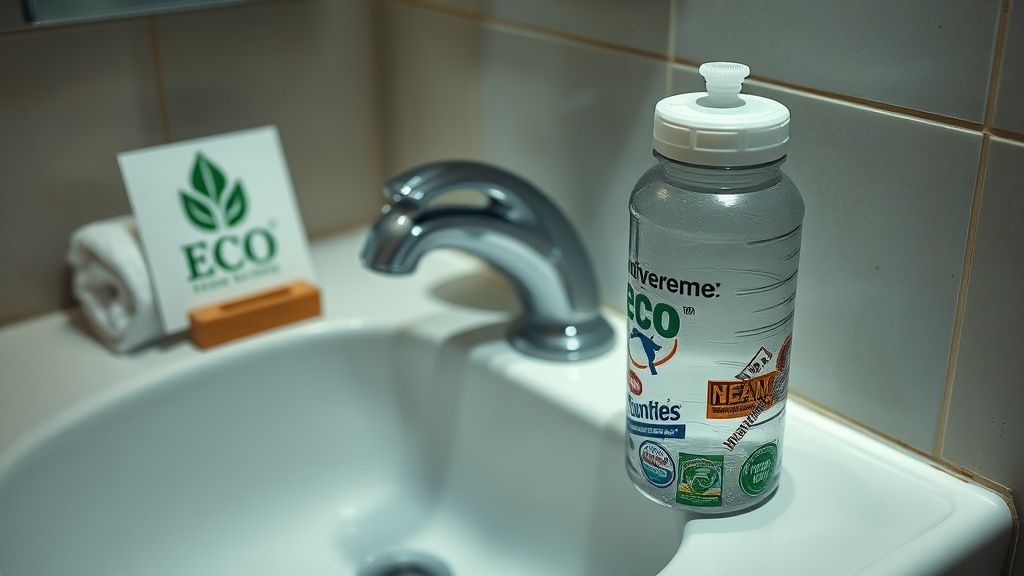
Look, let's be real: you check into a mid-range hotel, drop your bags, and head to the bathroom. Sitting right there on the vanity is a little green placard with a leaf on it, asking you to "reuse your towel to save the Earth." It's the most common piece of "eco-friendly" hospitality marketing in the world. It is also, more often than not, absolute nonsense.
I've audited enough supply chains and greenwashing campaigns to spot the difference between genuine sustainability and corporate cost-cutting. That towel sign? It's the hospitality industry's version of performative recycling. It shifts the burden of environmental responsibility onto the guest while saving the hotel thousands of dollars in water, labor, and detergent costs—without them having to actually invest in efficient infrastructure.
If you're booking your summer basecamp, here is my 5-minute pragmatic room audit to see if a hotel's sustainability math actually checks out, or if they are just trying to sell you a guilt trip.
1. The Single-Use Plastic Audit
Walk straight to the shower. Are there three tiny, heavily branded plastic bottles of shampoo, conditioner, and body wash? If yes, the math doesn't add up.
True sustainability requires supply chain efficiency. A hotel that cares about its footprint installs bulk, refillable dispensers on the shower wall. The individual plastic bottles are a "luxury" signifier from 1995 that generates an astronomical amount of unrecyclable plastic waste. If they still have tiny bottles but ask you to reuse your towel, their eco-policy is purely performative.
2. The Energy Transparency Check
Look at the thermostat. Older hotels often run central HVAC systems that blast air conditioning into empty rooms. A hotel that has invested in actual infrastructure will have keycard-activated power or smart thermostats equipped with motion sensors that automatically adjust the temperature when you leave the room.
Heating and cooling account for the massive majority of a hotel's carbon footprint. A $15 smart thermostat sensor reduces more localized emissions in a week than you reusing a towel for three days. If they haven't upgraded their HVAC, they aren't serious about the environment.
3. The Gray-Water and Aerator Vibe Check
Turn on the sink. Is it blasting water like a firehose?
Water processing requires heavy energy expenditure. An actual eco-friendly hotel will have installed low-flow aerators on all faucets and showerheads—a low-friction upgrade that cuts water use significantly. Better yet, some progressive properties use gray-water recycling systems, capturing water from sinks and showers to irrigate their landscaping. You can't usually see a gray-water system, but you can feel an aerator. If the pressure is dialed to 11, they're wasting resources.
The Debrief
Travel involves trade-offs. I don't expect every roadside motel to operate entirely off-grid. Progress over perfection, always. But as travelers, we need to stop accepting green leaf stickers as proof of environmental stewardship.
The next time you see that "save the Earth" towel sign, recognize it for what it is: a cost-saving measure. If the hotel hasn't coupled it with bulk toiletries, energy-efficient lighting, and water conservation infrastructure, don't let them guilt-trip you. Use the towel, and save your real environmental efforts for pragmatic home swaps or navigating the National Park systems.