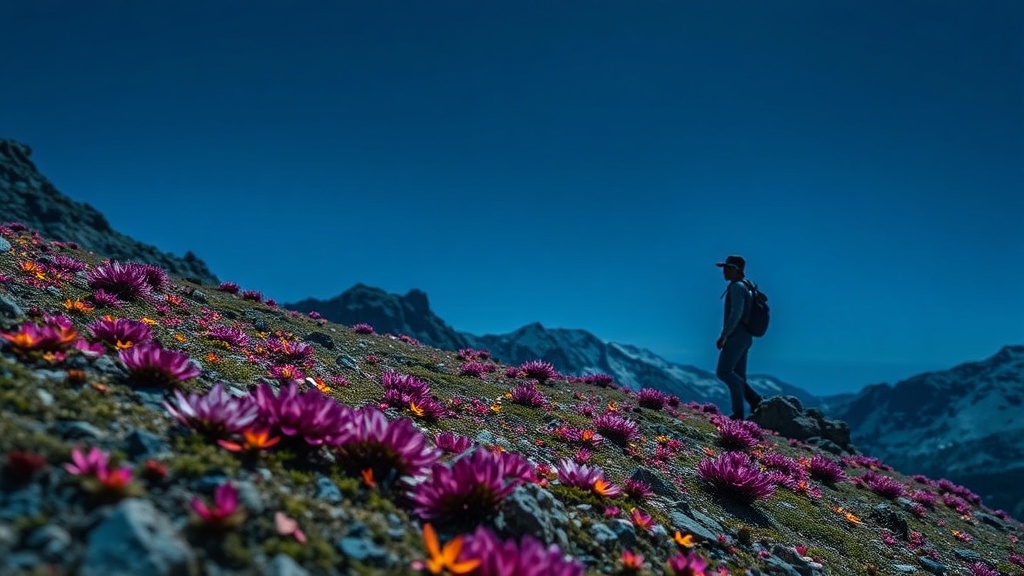
Silent Footsteps: Minimizing Your Impact on Alpine Flora

Quick Tip
Always stick to established trails to avoid crushing sensitive alpine vegetation that takes years to recover.
The Fragility of the High Alpine
A single misplaced boot print on a scree slope in the Dolomites or the Swiss Alps can do more than just scuff a rock; it can crush a decade of growth for slow-growing alpine perennials like the Saxifraga or the Edelweiss. These plants exist in a high-stress, low-nutrient environment where recovery cycles are measured in years, not weeks. When hikers deviate from established paths to find "the perfect shot," they create social trails that lead to soil compaction and erosion, effectively killing the very flora that makes the landscape iconic.
The Protocol for Low-Impact Movement
To minimize your physical footprint, treat every high-altitude trek with the same precision you would a high-stakes logistics operation. Precision prevents waste—in this case, the waste of biological resources.
- Stick to the Hardened Path: Even if the official trail looks muddy or unappealing, stay on it. In areas like the Bernese Oberland, walking on the edge of a trail to avoid a puddle causes the path to widen every season. If you must bypass an obstacle, move through bare rock or gravel rather than through vegetation.
- Optimize Your Gear: Use trekking poles with rubber tips rather than bare carbide spikes. Bare metal tips act like miniature jackhammers on delicate mosses and lichen. If you are navigating rocky terrain in the Mont Blanc massif, ensure your poles are capped to prevent unnecessary micro-scarring of the substrate.
- Manage Your Waste Logistics: High altitudes have low microbial activity, meaning organic waste decomposes significantly slower. Never bury food scraps or even fruit peels; a banana peel left in a high-altitude meadow can persist for a long time and alter the local soil chemistry.
Beyond the Trailhead
Effective alpine travel requires understanding that the environment is a closed system. For a deeper look at how environmental variables shift as you climb, read our logistics audit of high-altitude micro-climates. Understanding these shifts helps you prepare for the physical realities of the terrain without leaving a lasting mark.
"The goal is not just to see the mountain, but to leave it exactly as you found it—undisturbed and unscarred."
By treating the alpine flora as a non-renewable resource, you ensure that these fragile ecosystems remain intact for the next generation of explorers. It isn't about being a "perfect" traveler; it's about being a disciplined one.