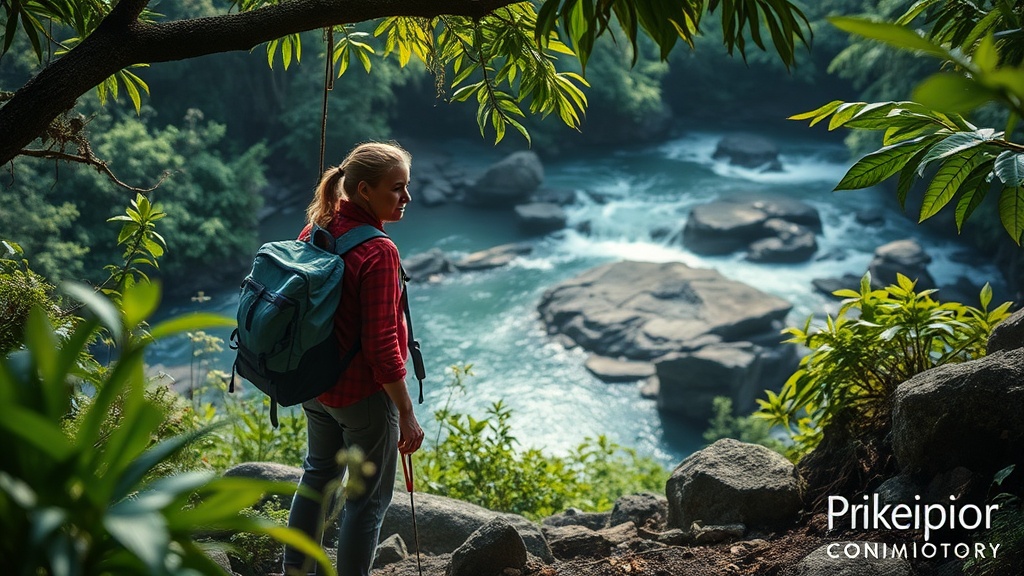
Packing a Plastic-Free Kit for Your Next Jungle Trek

A humid, heavy heat clings to the air as you step off the longtail boat in a remote corner of the Khao Sok National Park. Your gear is damp, your skin is sticky, and you realize that every single one of your personal care items is wrapped in single-use plastic that will eventually end up in a local waterway or a landfill that lacks the infrastructure to process it. This guide provides a pragmatic, audited list of plastic-free essentials for jungle trekking. We are focusing on high-performance, low-waste gear that survives high humidity and heavy rainfall without relying on the marketing hype of "eco-friendly" brands that still use unnecessary packaging.
The Core Philosophy: Durability Over Disposable
In a jungle environment, the greatest enemy of sustainability is failure. If a piece of gear breaks or leaks because it was a cheap, "greenwashed" alternative, you will end up buying a replacement at a local market, often in a plastic bottle. My approach to packing is based on supply chain efficiency: buy one high-quality, multi-use item rather than ten single-use ones. We are looking for products that are waterproof, lightweight, and capable of being refilled. If a product claims to be "biodegradable" but comes in a non-recyclable multi-layer pouch, skip it. That is a red flag.
Hygiene and Personal Care
Standard toiletries are the biggest source of plastic waste in a traveler's kit. In high-humidity environments like the Amazon Basin or the jungles of Southeast Asia, liquids are a liability. They leak, they add weight, and they require plastic bottles.
Solid Toiletries
Swap liquid soaps and shampoos for solid bars. These are more space-efficient and eliminate the risk of a messy leak in your pack. Look for brands like Ethique or Dr. Bronner’s (specifically their bar soaps) that use compostable or recyclable paper packaging. To keep these dry between uses, do not use a plastic travel case; instead, use a small, breathable mesh bag or a reusable silicone pouch.
- Shampoo Bars: Essential for saving weight and avoiding plastic bottles.
- Solid Deodorant: Opt for brands that use cardboard tubes or metal tins, such as Wild or Schmidt's.
- Toothpaste Tablets: Traditional tubes are non-recyclable. Use tablets from brands like Bite or Denttabs. They come in glass jars or compostable pouches and are much easier to manage in a backpack.
Sun Protection and Insect Repellent
This is the hardest category to get right because the "natural" versions often lack the efficacy needed in tropical climates. However, avoiding chemical sunscreens containing oxybenzone is vital for protecting local ecosystems. Instead of a plastic squeeze tube, look for mineral-based sunscreens in aluminum tins or glass jars. Sun Bum offers some reef-safe options, but always check the specific packaging. For insect repellent, skip the DEET-heavy aerosols. Use a high-concentration citronella or eucalyptus oil-based repellent in a reusable glass spray bottle, or better yet, treat your clothing with Permethrin before you leave home to reduce the need for daily application.
Water Filtration and Hydration
The most significant impact you can make is by eliminating the need to buy bottled water. In many jungle regions, the water is not safe to drink directly, but carrying multiple plastic bottles is a logistical and environmental nightmare. Instead of a continuous cycle of purchasing, invest in a high-quality filtration system.
Filtration Systems
A reliable filter allows you to drink from almost any freshwater source safely. This reduces your pack weight over time and ensures you aren't contributing to the plastic crisis in remote areas.
- Personal Water Filters: The Sawyer Squeeze or LifeStraw are industry standards. They are incredibly durable, lightweight, and can filter out bacteria and protozoa without any single-use plastic components beyond the initial purchase.
- UV Purifiers: If you are in an area with potential viral threats, a Steripen uses UV light to neutralize pathogens. It is a one-time electronic purchase that eliminates the need for chemical purification tablets in plastic sachets.
- Stainless Steel Bottles: Avoid aluminum bottles with plastic linings. A Klean Kanteen or Hydro Flask made of high-grade stainless steel is the most durable option. These can be used for years and are easy to clean in camp settings.
Food Storage and Sustenance
Jungle trekking often involves eating on the go or managing snacks during long hikes. The temptation to grab a plastic-wrapped energy bar is high, but these add up quickly. To manage this, you need to audit your snack supply before you even leave your house.
Zero-Waste Snacking
Instead of buying pre-packaged snacks, buy in bulk and use reusable containers. This is a key part of planning a zero-waste adventure trip.
- Silicone Bags: Use Stasher bags for nuts, dried fruit, or leftover meals. They are durable, washable, and can be used for both wet and dry goods.
- Stainless Steel Tiffin or Bento: For larger meals, a metal tiffin is more durable than plastic containers and can withstand the rigors of being tossed into a backpack.
- Bulk Buying: When preparing for your trek, purchase your trail mix, jerky, or dried fruit from bulk bins using your own cloth bags. This ensures that zero plastic enters your kit at the start.
The Gear Audit: Clothing and Utility
When selecting clothing for the jungle, the goal is to find items that are long-lasting and made from natural or recycled fibers. While synthetic "quick-dry" fabrics are common, they often shed microplastics during washing. If you must use synthetics, ensure they are high-quality and intended for long-term use rather than fast-fashion outdoor gear.
Natural Fibers vs. Synthetics
For base layers, Merino wool is a superior choice to polyester. It is naturally antimicrobial (meaning it won't smell as bad after two days of sweating), it regulates temperature, and it is biodegradable at the end of its life cycle. Brands like Icebreaker or Smartwool offer high-performance merino gear that can withstand the heavy humidity of a rainforest without the plastic-shedding issues of cheap synthetics.
The Utility Kit
Your "emergency" or utility kit should also be plastic-free. Instead of a plastic multi-tool, look for a high-quality stainless steel knife or a multi-tool with a metal body. For lighting, avoid cheap plastic headlamps that will be thrown away after one season. Invest in a durable, rechargeable LED headlamp from a brand like Petzl. This allows you to use a rechargeable battery system, which is far more sustainable than a constant cycle of alkaline batteries.
"The most sustainable piece of gear is the one you already own, or the one that is built to last a lifetime. If it can't be repaired, it shouldn't be in your pack."
Final Checklist for a Plastic-Free Jungle Pack
Before you zip up your bag, run through this final audit to ensure you haven't missed any hidden plastic. If you find yourself reaching for a single-use item, ask if there is a reusable or bulk alternative.
- Toiletries: Solid soap, shampoo, and toothpaste tablets in a reusable tin.
- Hydration: Stainless steel bottle and a Sawyer Squeeze filter.
- Food: Silicone bags or metal containers for snacks.
- Sun/Bug: Mineral sunscreen in a tin and oil-based repellent.
- Laundry: A small piece of biodegradable soap for cleaning clothes in a stream.
Traveling to remote, biodiverse regions like the jungles of Borneo or the Monteverde Cloud Forest is a privilege. By auditing your kit with the same rigor one would use for a professional logistics operation, you ensure that your presence in these landscapes is as low-impact as possible. Don't let the marketing of "eco-friendly" packaging fool you; stick to the solids, the metals, and the high-quality reusables.
Steps
- 1
Swap Single-Use Bottles for Stainless Steel
- 2
Choose Biodegradable Personal Care Items
- 3
Replace Plastic Food Wrappers with Beeswax or Silicone
- 4
Use Natural Fiber Dry Bags