Navigating Local Markets Without the Plastic Footprint

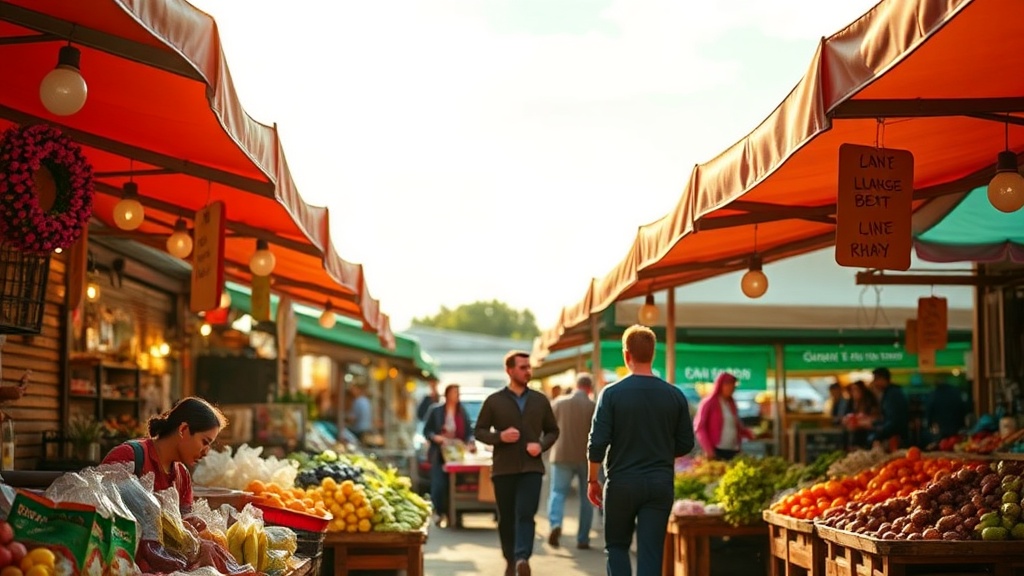
You’re standing in a bustling night market in Chiang Mai or a street stall in Oaxaca. You want a snack, but the vendor hands you a piece of fruit wrapped in three layers of thin polyethylene film, tucked into a polystyrene tray, and handed over with a plastic fork. It's a mess. This guide breaks down how to shop at local markets while avoiding the single-use plastic trap without spending a fortune or looking like a high-maintenance tourist.
Most people think "sustainable travel" means staying at expensive eco-resorts. It doesn't. Real sustainability happens in the trenches—at the grocery stores, the street food stalls, and the local wet markets where the bulk of a traveler's daily footprint actually accumulates. We're looking at the logistics of the snack, the bag, and the utensil.
How Do I Avoid Plastic While Eating Street Food?
The best way to avoid plastic at street stalls is to carry your own lightweight, food-safe kit and use it to replace the vendor's disposables. Most vendors aren't trying to be wasteful; they're just using the cheapest packaging available to keep prices low for locals. If you show up with your own tools, you're not just reducing waste—you're actually making the transaction smoother.
Don't expect every vendor to have a "green" option. Most won't. Instead, focus on these three categories of gear:
- The Reusable Utensil Set: A lightweight titanium spork or a set of bamboo chopsticks takes up zero room in a day pack.
- The Silicone Food Cover: If you're buying something like a bowl of noodles to eat on the go, a collapsible silicone lid can save you from a leaky plastic bag.
- The Small Cloth Napkin: Skip the thin, scratchy paper napkins that end up in a landfill after one use. A small piece of linen or cotton works better and takes up less space.
I once spent a week in Vietnam trying to eat strictly without single-use plastics. I realized quickly that if I didn't have my own bowl or a way to carry liquid-heavy food, I was going to end up with a bag of trash. It's about being prepared, not being picky.
If you're already thinking about your gear, check out my Travel Kit Audit to see what else you might be missing. It’s a lot more effective than buying "travel-sized" versions of everything at a pharmacy.
What Are the Best Reusable Bags for Traveling?
pThe best reusable bags for travel are lightweight, foldable, and made from durable materials like recycled nylon or organic cotton. You need something that fits in a pocket but can actually hold a heavy load of fruit or vegetables without ripping.
I've tested a lot of these. Most "eco-friendly" canvas totes are too heavy and bulky for a backpack. You want something that weighs almost nothing. Here is how I categorize the options:
| Bag Type | Pros | Cons |
|---|---|---|
| Ultralight Nylon Stuff Sack | Tiny footprint, dries instantly, very light. | Not great for heavy, sharp produce. |
| Organic Cotton Mesh | Breathable, great for fruit, looks "authentic." | Can get dirty/stained easily. |
| Silicone Food Pouches | Leakproof, great for liquids or sauces. | Heavier and more expensive. |
If you're buying liquids or wet goods, a single-use plastic bag is often the only way a vendor can package it. If you want to avoid this, look for a small, lightweight container. A simple stainless steel bento box or even a small Tupperware-style container can be a lifesaver. It’s a bit of extra weight in your bag, but it beats the alternative.
Does Buying Local Actually Reduce My Footprint?
Yes, buying local reduces the carbon footprint associated with long-distance shipping and heavy packaging-intensive logistics. When you buy a piece of fruit from a local farmer at a market, you're bypassing the massive plastic-wrapped supply chains of big-box retailers.
However, there's a catch. Even "local" products can be wrapped in excessive plastic if the vendor is sourcing from a larger distributor. You have to look at the source. A fruit that is still in its skin (like a banana or an orange) is inherently more sustainable than a pre-cut fruit in a plastic tub. Always opt for the whole version of the product whenever possible.
This is where the "audit" mindset comes in. Don't just buy the cheapest thing; buy the thing that requires the least amount of external packaging. It's a simple logic gate: Whole Fruit > Pre-cut Fruit in Plastic.
One thing to keep in mind: don't be the person who carries a massive, heavy kit just to feel superior. That's not practical. If you're hiking through a jungle or walking through a crowded market in 90-degree heat, you don't want to be lugging a heavy glass jar. Stick to the basics—a light bag, a spork, and a small cloth. That's it.
How to Handle Hygiene Without Plastic
Hygiene is a legitimate concern when you're traveling, especially in regions with different water standards. Most people reach for a plastic bottle of hand sanitizer or a pack of wet wipes. Both are problematic. Wet wipes are essentially single-use plastic sheets that don't biodegrade, and they're a nightmare for local waste systems.
Instead of relying on disposable wipes, try these methods:
- Alcohol-based hand sanitizer in a refillable bottle: Instead of buying tiny plastic bottles, buy one decent-sized bottle and refill it from larger containers when possible.
- Biodegradable bamboo wipes: If you absolutely need a wipe, look for brands that use FSC-certified wood pulp or bamboo. They're better for the earth, but still, use them sparingly.
- The "Water and Soap" Method: Finding a sink and using a small bar of soap is always the gold standard. A small, solid soap bar is much more efficient than liquid soap in a plastic pump bottle.
I've found that carrying a small, solid soap bar (like those from Wikipedia's overview of soap production-related history, but modern and travel-sized) is a game-changer. It's compact, it doesn't leak in your bag, and it's much more effective at getting rid of grime than a quick splash of water.
If you're worried about your skin or hygiene routines, you might also want to look into replacing your plastic toothbrush. It's a small step, but it's part of the same mindset: reducing the amount of "disposable" stuff you rely on to get through the day.
The goal isn't perfection. It's about reducing the volume of trash you leave behind in places that might not have the infrastructure to process it. If you can cut your plastic use by even 50% just by carrying a bag and a utensil, you've already done more than most.
It's not about being a hero. It's about being a smart traveler who understands the logistics of the places they visit. When you shop at a market, you're part of a local ecosystem. Try to fit into it without leaving a trail of plastic in your wake.