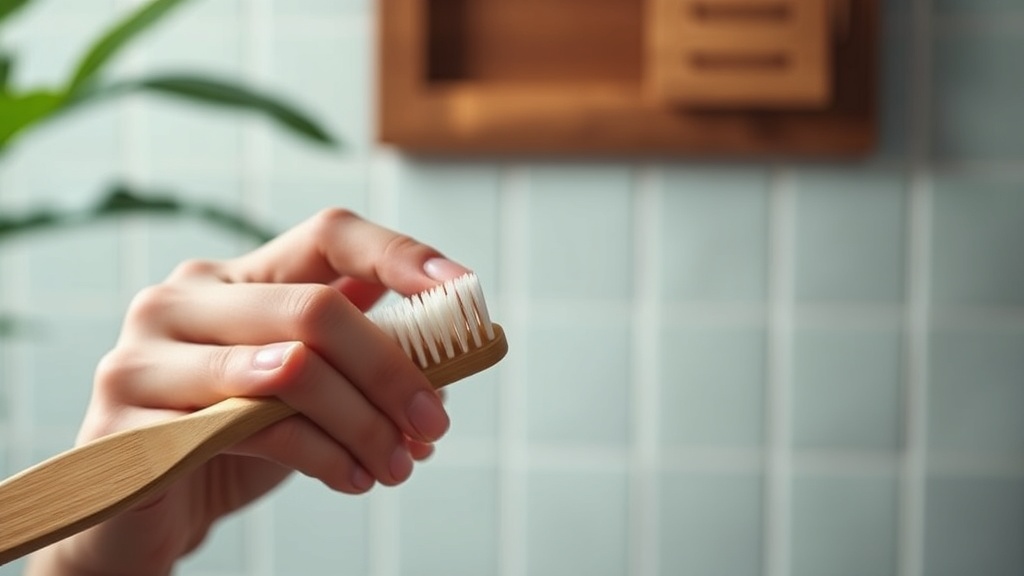
Ditch the Single-Use Plastic Toothbrush for Bamboo

Quick Tip
Swap your plastic toothbrush for a compostable bamboo version to eliminate non-biodegradable waste from your travel routine.
You're packing your toiletry bag for a trek through Southeast Asia or a weekend camping trip, and you realize your plastic toothbrush is destined for a landfill the moment you head home. Switching to a bamboo toothbrush is a low-effort way to reduce your plastic footprint while traveling. It's a simple swap that keeps non-biodegradable waste out of the remote ecosystems you're visiting.
Why Should I Switch to a Bamboo Toothbrush?
A bamboo toothbrush reduces plastic waste because the handle is biodegradable and compostable. Most standard toothbrushes are made of a mix of plastic and nylon that can take hundreds of years to break down in a landfill. When you use bamboo, the handle can be composted (once you pull the bristles out) back into the earth.
The math is simple. If you travel frequently, you're likely going through several brushes a year. Using a product like The Humble Co. bamboo brush or Brush with Bamboo ensures your gear doesn't outlive your trip by a millennium. It’s a small win for your pack weight, too—bamboo is incredibly light.
How Much Does a Bamboo Toothbrush Cost?
| Feature | Plastic Toothbrush | Bamboo Toothbrush |
|---|---|---|
| Handle Material | Polypropylene (Plastic) | Moso Bamboo |
| End of Life | Landfill/Ocean | Compostable (Handle) |
| Weight | Light | Very Light |
| Typical Price | $1 - $3 | $3 - $6 |
Are Bamboo Toothbrushes Actually Better?
Bamboo toothbrushes are a superior choice for travelers who want to minimize their trash output. While the bristles are still usually made of nylon (which isn't compostable), the bulk of the tool—the handle—is a renewable resource. This is a massive improvement over the plastic pollution issues caused by single-use items in coastal regions.
Here is how to manage your transition without any hassle:
- Buy in bulk: Grab a 4-pack before you leave so you aren't hunting for replacements mid-trip.
- Dry it out: Bamboo absorbs moisture. Keep it in a ventilated case to prevent mold—especially in humid climates.
- Dispose of it correctly: Pull the bristles out with pliers before tossing the handle into your compost bin.
If you're already auditing your gear to be more sustainable, you might want to look into how to plan a zero-waste backpacking adventure to see how other small swaps add up.