Why It's Time to Ban Personal Cars in National Parks

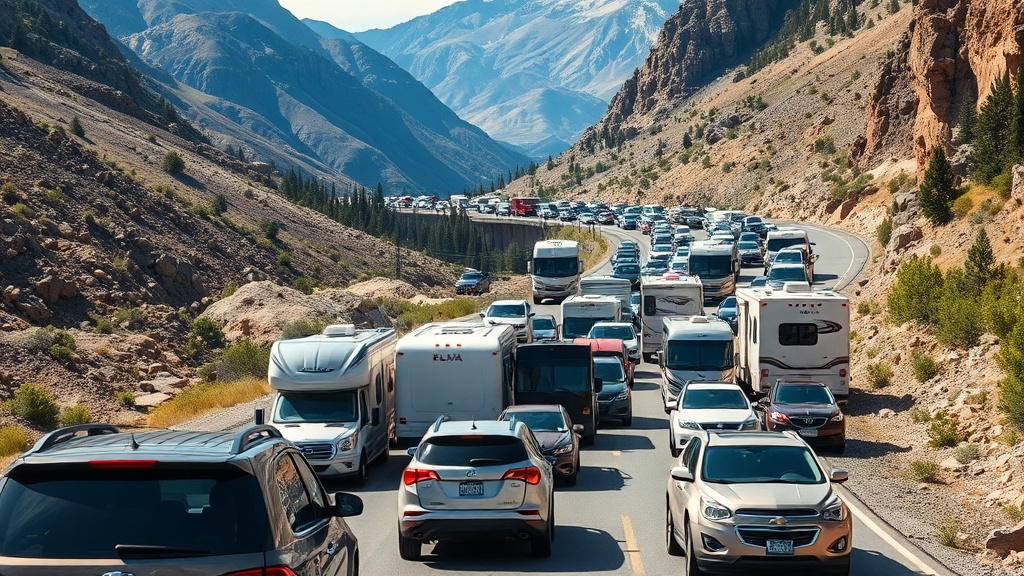
Here is the pragmatic reality: there is absolutely nothing sustainable about idling in a two-mile line of F-150s and rented minivans just to get a glimpse of a glacier before it melts.
A review of the latest visitation data reveals a staggering reality. Public lands are buckling under unprecedented demand, and the primary driver of this strain is the personal vehicle.
Every spring, the same "eco-friendly" road trip guides emerge, sponsored by outdoor brands eager to sell high-end gear. They talk about Leave No Trace principles, which is great, but they completely ignore the 4,000-pound elephant in the room. The math simply doesn't add up. A sustainable outdoor experience is structurally impossible when the infrastructure relies on thousands of individual combustion engines and EVs jockeying for a dozen parking spots at the trailhead.
The Greenwash Audit: Idling in "Nature"
A quick reality check on the current National Park experience: Visitors roll up to the gate, pay the fee, and then crawl at 5 mph behind an RV that's pumping exhaust directly into the "fresh" mountain air. The parks put up signs asking visitors to stay on the trail to protect fragile ecosystems, while simultaneously straining to manage the sprawling footprint of vehicle congestion. It's an impossible balancing act masquerading as sustainable management, or just plain old poor logistical planning.
This isn't just an emissions problem; it's a structural failure. The supply chain of getting humans into nature is fundamentally broken.
The Trade-Off
Sustainable travel requires radical transparency rather than consumer guilt. Travel inherently involves trade-offs. If these spaces are to survive the next fifty years without turning into massive asphalt heat islands, National Parks need to be vehicle-free. Or at the very least, personal-vehicle-free.
The most viable solution is a shift to mandatory, large-scale shuttle systems. Zion National Park has been doing a version of this for years, and while it's not perfect (the lines can be brutal during peak season), the core concept is the only logistical path forward. Visitors park in a gateway town, get on a high-capacity electric shuttle, and experience the park without the chaotic background noise of slamming car doors and honking horns.
Yes, this means losing the "freedom" of carrying a cooler the size of a small refrigerator in a trunk. It requires packing a day pack thoughtfully. But the alternative is losing the very environments that these parks were created to protect.
Progress Over Perfection
The transition wouldn't be seamless. Gateway communities would need serious infrastructure funding to handle the parking and logistics. However, supporting local economies in these second-tier gateway towns is a structurally sound strategy, offering a more distributed economic benefit than relying heavily on concessionaires operating inside the park boundaries.
It's time to stop pretending that bringing a mobile living room into the wilderness is a sustainable practice. Sustainable policy must reflect the reality of the data.
In the meantime, for those planning a trip this summer, look into parks that already offer robust transit options, or better yet, take Amtrak to a second-tier city with local trail access. The lines are shorter, the carbon footprint is drastically lower, and it removes the friction of fighting a family of six for a parking spot.