Vehicle-Free National Parks: A Pragmatic 2026 Audit

Look, let's be real: your "eco-friendly" road trip to a National Park this summer is probably a logistical nightmare in disguise.
As the 2026 summer travel season approaches, major parks are rolling out their peak-season vehicle reservation systems. The intention is good, but the reality is hours spent idling in an EV or a gas-guzzler at an entrance gate, fighting for a piece of pavement. It's not sustainable, and frankly, the math doesn't add up.
If you want to reduce your carbon footprint while actually enjoying the outdoors, the answer isn't a better car. It's ditching the vehicle entirely.
Here is the pragmatic audit of how to execute a vehicle-free National Park trip this year, without the performative guilt trips.
1. The Math of the "Eco-Road Trip"
We need to stop pretending that driving a heavily loaded vehicle thousands of miles to a crowded park entrance is green just because you bought carbon offsets. The sheer volume of vehicles—electric or otherwise—creates localized emissions, degrades road infrastructure, and forces parks to pave over the very landscapes we're trying to protect.
When you add up the embodied carbon of the vehicle, the energy to move it, and the infrastructure required to park it, the so-called "eco-road trip" is often just a marketing pivot. We need a hard reset on how we access these spaces.
2. The Amtrak + Transit Strategy
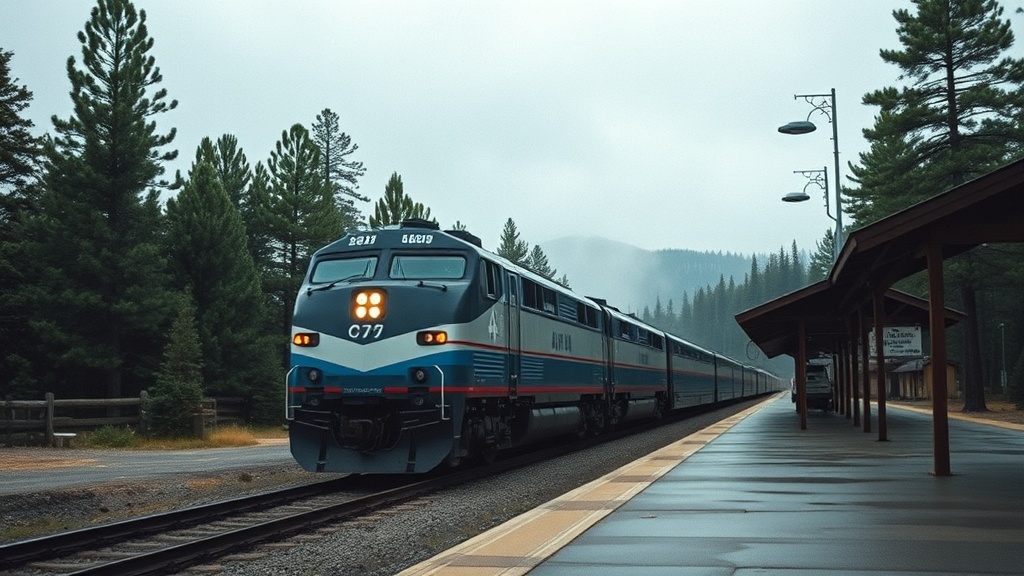
The most viable alternative? The train. Specifically, combining Amtrak routes with local shuttle systems.
Take Glacier National Park, for example. The Empire Builder route drops you quite literally at the park's edge (East Glacier or West Glacier stations). From there, you connect directly to the park's seasonal shuttle system. No rental car, no parking fees, no entrance gate traffic jams.
(Vibe Check: If you haven't looked into long-haul trains yet, I highly recommend checking out my recent breakdown on The Real Math of Amtrak Sleeper Cars to understand the logistics and cost trade-offs).
3. The Shuttle System Audit: What Actually Works
Not all National Park transit systems are created equal. Some are efficient; others are underfunded messes.
The Good:
- Zion National Park: They pioneered the mandatory shuttle system in the main canyon. It's efficient, runs frequently, and completely eliminates the stress of finding parking at trailheads. The math checks out.
- Grand Canyon (South Rim): Their shuttle network is extensive and connects well with the gateway town of Tusayan. You can take the Arizona Shuttle from Flagstaff directly to the park.
The Bad:
- Parks with "Voluntary" Shuttles: If a shuttle is optional and runs only once an hour, it's greenwashing. It doesn't reduce traffic; it just provides a miserable alternative to driving. Always audit the frequency and routes before committing to a car-free trip.
4. The Gear Trade-Off
Traveling without a vehicle forces a logistical pivot: you have to carry what you bring. This means ditching the massive coolers and heavy luxury camping gear.
Instead of treating your car like a mobile storage unit, you have to pack like a backpacker, even if you're staying in a lodge or a front-country site. Invest in pragmatic, multi-use gear with lifetime warranties. You'll quickly realize how much dead weight you used to haul around "just in case."
The Bottom Line
Vehicle-free National Park travel isn't a sacrifice; it's a strategic upgrade. You skip the traffic, lower your footprint, and engage with the landscape rather than a steering wheel. It requires more logistical planning up front, but the return on investment is massive.
[callout title="Pro Tip"]Always check the NPS website for the specific park you're visiting to verify their 2026 shuttle operating dates and whether advance reservations are required for the bus itself.[/callout]