The Thrifted Basecamp: A Logistics Guide to Used Outdoor Gear

Look, let's be real... The spring 2026 travel and hiking season is upon us, which means the "Earth Month" marketing campaigns are aggressively targeting your feeds. Every major outdoor brand is suddenly pushing their new, "eco-friendly" lines of gear made from recycled water bottles and bio-plastics, urging you to upgrade your kit for the sake of the planet.
But as a former logistics coordinator, I treat gear like a supply chain problem. And the mathematical reality is this: manufacturing a brand new item—even an "eco-friendly" one—requires a massive carbon footprint. If you want to make a truly sustainable choice this spring, the most pragmatic, data-backed move is to buy gear that already exists.
Welcome to the Thrifted Basecamp. Here is your logistics guide to navigating the secondary market and building a durable, second-hand outdoor kit without compromising on safety or reliability.
The Supply Chain Math of Pre-Owned Gear
Aesthetics do not sequester carbon. When you buy a brand new "green" backpack, you are still funding raw material extraction, chemical dyeing processes, and global shipping networks. The most structurally efficient way to reduce your personal travel footprint is to extend the lifecycle of an item that has already incurred those manufacturing costs.
By shifting your budget to the secondary market—whether that's a local outdoor consignment shop or a brand-backed program like REI Re/Supply or Patagonia Worn Wear—you are entirely bypassing the manufacturing supply chain. You are also keeping your dollars circulating within a local or circular economy, which is the ultimate sustainability hack.
The Warranty Transfer Audit
The first rule of second-hand gear shopping is to obsess over warranties. A true lifetime warranty isn't just a perk; it's a manufacturer putting financial backing behind their durability claims. However, not all warranties transfer to secondary owners.
Before you buy a used shell or a hard-shell suitcase, do the research. Look for brands that operate with an "open repair" philosophy—meaning they will patch a jacket or replace a zipper regardless of whether you have the original receipt. Brands that refuse to repair second-hand items are prioritizing their sales funnel over actual product longevity. Avoid them.
The Field Inspection Protocol
Buying used gear requires a critical eye. You aren't shopping for aesthetics; you are auditing for structural integrity. When you find a piece of equipment, run it through this field inspection checklist:
- The Seam Tape Check: On waterproof jackets and tents, look at the interior seams. If the clear tape is flaking or peeling away, the waterproofing is compromised. (Note: this can be repaired with aftermarket seam grip, but you need to factor that into your logistics).
- Zipper Integrity: Zippers are usually the first point of failure. Test every zipper on the item. Look for missing teeth or sliders that separate under tension. A broken main zipper on a sleeping bag is a red flag unless you have a local repair shop ready to swap it.
- Fabric Denier: Thicker fabrics resist abrasion. Feel the high-wear areas (the bottom of a backpack, the knees of hiking pants). If the fabric feels significantly thinner there than elsewhere, it is nearing the end of its lifecycle.
The Local Repair Network
Your thrifted basecamp is only as strong as your local repair network. You don't need to throw away a high-quality pair of boots just because the sole is worn down. A local cobbler can resole a pair of Goodyear-welted boots for a fraction of the cost of a new pair, keeping that heavy leather out of a landfill.
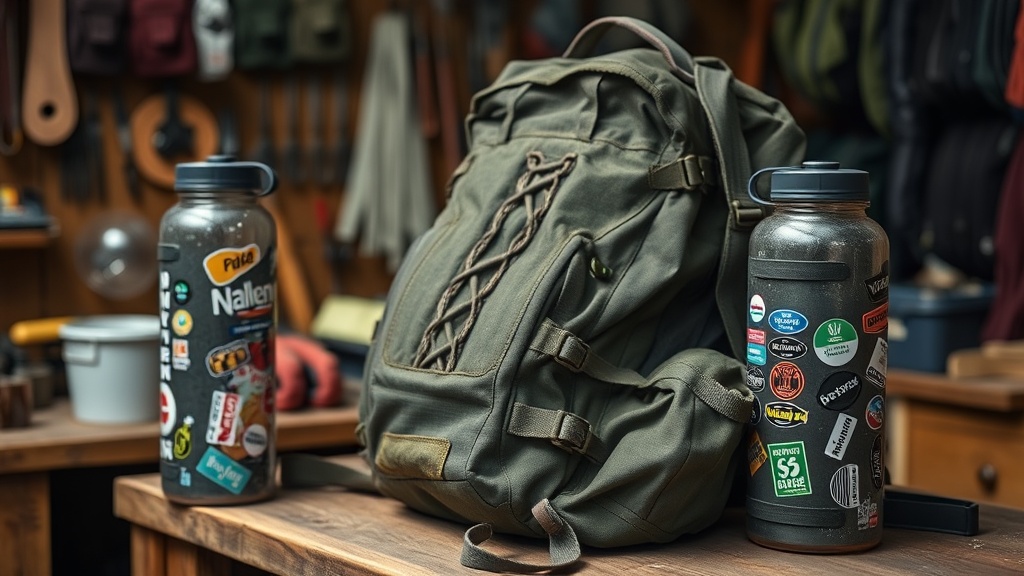
Identify the specialized gear repair shops in your city (many second-tier cities have incredible independent outdoor repair scenes). When "The Tank" (my battered, sticker-covered 32oz Nalgene) finally loses its lid, I'm not buying a new bottle; I'm sourcing a replacement part.
Progress Over Perfection
Travel and outdoor recreation involve trade-offs. You might not be able to find a used sleeping pad that meets your exact insulation needs, and that's fine. I don't believe in guilt trips. But for the vast majority of our basecamp logistics, the secondary market has exactly what we need.
This spring, ignore the aggressive marketing fluff. Hit the local gear swap, run a strict field inspection, and build a kit that relies on durability over novelty. Now, if you'll excuse me, I need to patch a pinhole in my tent before this weekend's field test.