The Real Math of Spring Allergies: A Pragmatic Audit for Remote Workers

Look, let's be real... it is officially April. The "spring refresh" marketing emails are flooding your inbox, telling you to throw open your home office windows, buy a proprietary essential oil diffuser, and embrace the season. The reality? You're just inviting an aggressive cloud of pollen into your basecamp and destroying your productivity in the process.
If you work remotely, your home office is essentially your field ops center. When your environment turns into a trigger for seasonal allergies, your focus tanks. But before you panic-buy some eco-chic wellness gadget, let's look at the data. Most of the "allergy relief" products marketed to remote workers are complete garbage.
Here is a pragmatic, BS-free audit for surviving spring allergy season without losing your mind or your money.
1. The Air Quality Audit: Stop Buying Salt Lamps
The math doesn't add up on Himalayan salt lamps or "ionizing" desktop fans. They are aesthetic paperweights (cost-saving masquerading as air purification). What actually works? A true HEPA filter with a verified Clean Air Delivery Rate (CADR).
Treat your home office like a controlled environment. Keep the windows closed during peak pollen hours (usually mid-morning to early afternoon). If your central HVAC system can handle it without restricting airflow, upgrade your furnace filter to MERV-13. It filters out the microscopic particulate matter that actually causes the brain fog and sinus pressure. The math checks out: filtering the air you breathe for 8 hours a day is the highest-ROI move you can make.
2. Hydration Logistics
When you're fighting allergies, your body is producing an absurd amount of histamines, and the over-the-counter meds you take to combat them will dry you out like a desert trail.
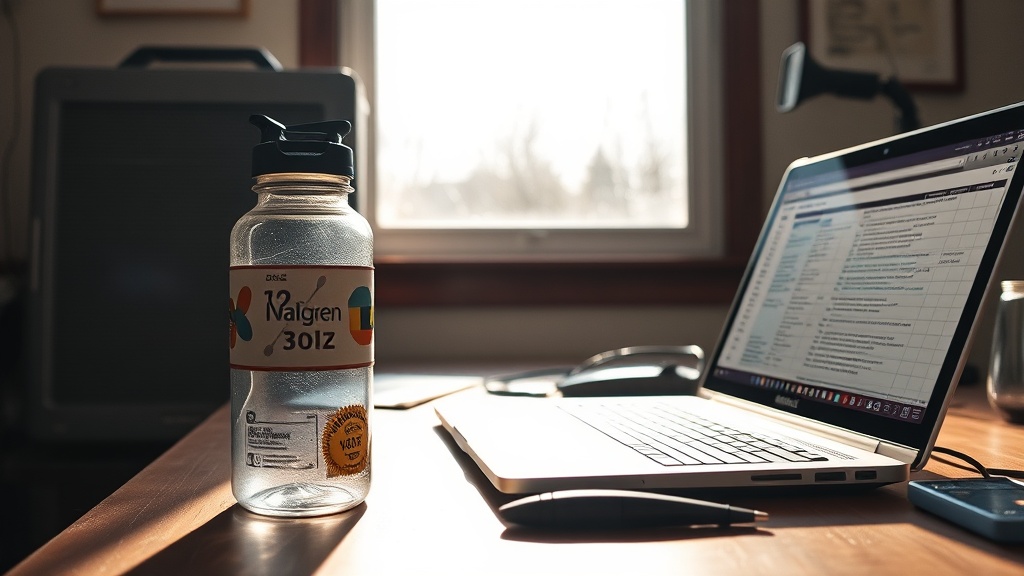
This is where a high-capacity water bottle proves its worth. You don't need $8 "hydration multiplier" packets packaged in single-use plastics. You just need volume. Drink enough water to keep your system flushed and your mucous membranes functioning. Keep a high-capacity water bottle on your desk and treat finishing it like a non-negotiable daily metric.
3. Fueling the Operation: Anti-Inflammatory Inputs
Your body is already fighting an inflammatory response to the environment. Don't make it work harder by fueling it with garbage. There is no need for a three-day juice cleanse (because, again, the math doesn't add up on those). But prioritizing anti-inflammatory foods can help lower baseline histamine levels. Toss some ginger or turmeric into your meals, or use a zero-waste scrap-fermented carrot ginger kraut. It is basic harm reduction for your immune system.
4. Tactical Micro-Breaks
The wellness industry loves to tell remote workers to take a "mindful walk" at 10 AM to reduce stress. Vibe Check: going outside when the air is 80% tree sperm isn't wellness, it's masochism.
If you're going to step outside to reset your brain, do it strategically. The best time for outdoor exposure during allergy season is late afternoon, evening, or immediately after a heavy rain (which literally washes the pollen out of the air). If you need a screen break during peak pollen hours, do some mobility work indoors instead.
5. The "Outdoor Gear" Quarantine
When you do go outside, your clothes and hair become pollen transport vehicles. If you go for a lunch-break hike or run, do not sit back down in your desk chair wearing the same gear. It sounds obsessive, but dropping your outdoor layers by the door and rinsing off before you go back to work prevents you from tracking the enemy into your clean zone.
The Bottom Line
Progress over perfection, fellow humans. You don't need to live in a sterile, plastic-wrapped bubble to survive the season, but you also don't need to suffer just because you want some fresh air. Audit your air quality, hydrate relentlessly, and stop letting wellness marketing dictate your health logistics.