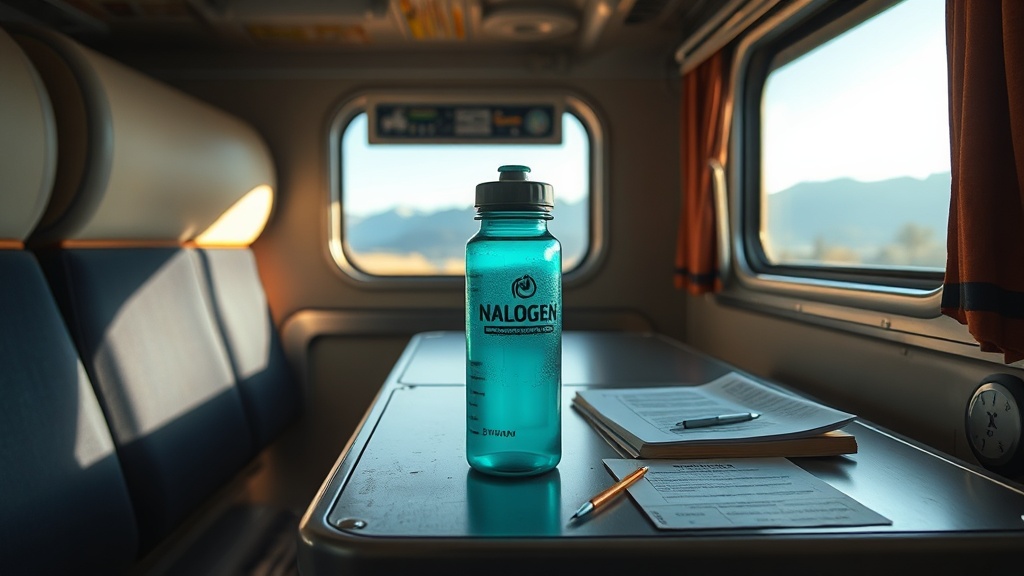
The Real Math of Amtrak Sleeper Cars: A Pragmatic Audit

Look, let's be real... the US rail system is a logistical mess compared to Europe or Japan. But if you are trying to cut your carbon footprint without spending three miserable days on a bus, Amtrak sleeper cars are the most underrated option in the travel industry.
A lot of travel blogs will sell you on the "romance of train travel" and glossy photos of five-course meals in the dining car. That's marketing fluff. We are here for the logistics and the environmental data. Today, we're doing a full audit of Amtrak's sleeper cars—specifically the Superliner Roomette—because the math checks out, provided you know exactly what you're signing up for.
The Carbon Breakdown: The Math Checks Out
First, let's talk about why we are even doing this. The aviation industry loves to brag about "fuel efficiency improvements," but the baseline reality remains: a cross-country flight emits significantly more carbon per passenger than the equivalent train ride.
When you book an Amtrak sleeper car, you are trading time for a drastic reduction in greenhouse gases. Based on my recent audit of the Empire Builder route (Chicago to Seattle), the carbon footprint per passenger in a sleeper car is roughly 30-40% of the equivalent flight. It’s not zero—diesel locomotives are still burning fossil fuels—but it is a massive harm-reduction strategy.
(And no, buying a $5 "carbon offset" from an airline during checkout doesn't magically neutralize your flight. It’s a guilt-tax masquerading as an eco-policy.)
The Space: Pragmatic Reality vs. Fluff
The Superliner Roomette is not a luxury hotel room, despite what Amtrak's promotional materials imply. It is an efficiently designed, 3.5' by 6.5' metal box.
If you are traveling solo, it is perfectly adequate. If you are traveling with a partner, it requires a level of choreography akin to a small-space docking sequence.
What you get:
- Two comfortable daytime seats facing each other.
- A fold-down table (perfect for holding "The Tank"—my battered 32oz Nalgene—and my laptop).
- Two beds that fold out at night. The lower bunk is surprisingly decent; the upper bunk requires some core strength to access and offers zero headroom.
- Access to a shared shower down the hall (bring your own solid soap, please; skip the individually wrapped plastic toiletries).
Vibe Check: It’s cozy, functional, and deeply pragmatic. Just don't expect a spa experience.
The Food: Included, but Uneven
Sleeper car tickets include all meals in the dining car. This is where the math gets interesting. A cross-country flight might give you a bag of pretzels; Amtrak feeds you three times a day.
The reality of the food? It’s hit or miss. The "Traditional Dining" on western routes offers solid, hot meals served on actual plates (a huge win for reducing single-use plastic). The "Flexible Dining" on eastern routes consists of pre-packaged, microwaved meals that create an absurd amount of plastic waste. If you're on an eastern route, bring your own snacks and skip the plastic-wrapped "dinner."
The Final Audit
Is an Amtrak sleeper car perfect? Far from it. The infrastructure is aging, delays are common because freight trains have priority, and the booking process can be a headache.
But for dirty-boot travelers looking for a pragmatic, low-carbon way to cross the country, it remains one of the best options we have. You get to see the landscape, get some actual work done without paying $40 for terrible airplane Wi-Fi, and drastically reduce your environmental footprint.
The math adds up. Next time you're planning a cross-country trip, skip the performative guilt and book the train.
Explore more of our greenwash audits and travel logistics here