The Pragmatic Guide to Eco-Friendly Easter Eggs: A Vibe Check on Sustainable Crafts

Look, let's be real: those single-use plastic egg-dyeing kits are a logistical and environmental failure. You buy them for $5, they come wrapped in three layers of unrecyclable plastic, the chemical dyes stain your hands for a week, and the tiny plastic cups go straight into a landfill. It is the definition of a single-use consumer trap.
Spring 2026 is here, and my feed is full of "eco-chic" Easter aesthetics. But true sustainability isn't about buying a $40 "artisanal, zero-waste dye kit" shipped halfway across the country. It's about supply chain efficiency. It's about using what you already have at basecamp.
If you want to do sustainable crafts this holiday, the math is simple: raid your kitchen scraps. Just like our BS-Free Zero-Waste Spring Picnic, this operation requires no new gear. Here is the pragmatic audit on creating a natural color palette for your Easter eggs.
The Basecamp Supply Chain: Natural Dyes
When I audit a destination's sustainability claims, I look for closed-loop systems. We can do the same in the kitchen. The scraps you were going to compost anyway contain potent natural pigments.
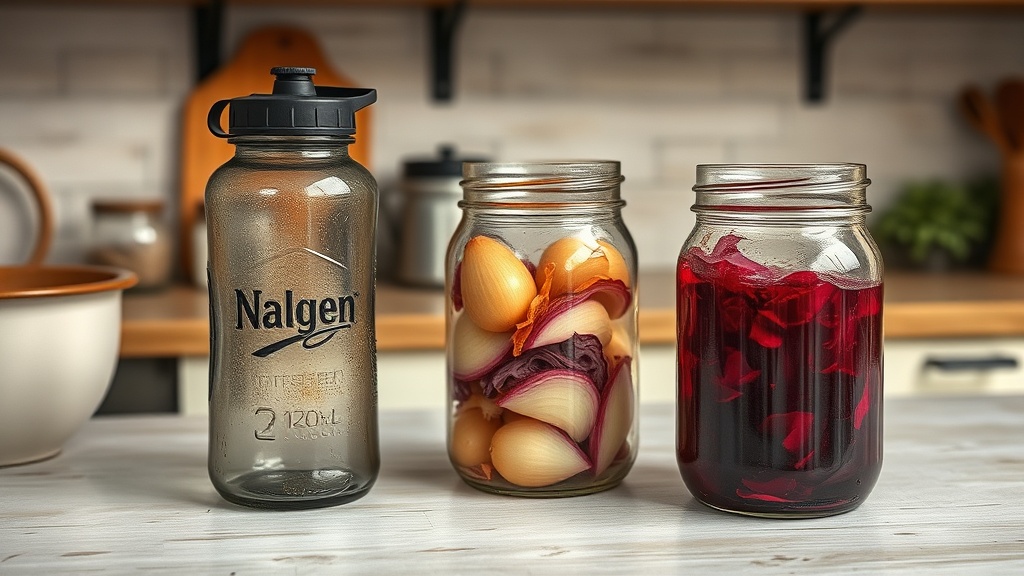
- Warm Terracotta (Yellow Onion Skins): Do not throw away the papery skins of your yellow onions. Simmer two cups of tightly packed skins in water for 30 minutes. Strain, add a splash of white vinegar (the mordant that binds the color), and soak your hard-boiled eggs. It yields a deep, rugged rust color.
- The Blue Shift (Red Cabbage): This is basic chemistry, not magic. Chop half a head of red cabbage and simmer it. The dye bath looks purple, but it turns white eggshells a stunning, muted blue.
- Goldenrod (Turmeric): If you have bulk turmeric in your pantry, you have a blindingly bright yellow dye. Boil three tablespoons of the powder in water. Just be careful—this will permanently stain any plastic it touches, so stick to metal pots.
The Logistics of the Process
This operation doesn't require a curated Pinterest setup.
- Prep: Hard-boil your eggs and let them cool.
- The Bath: Create your dye baths in small metal pots or glass jars. Add a tablespoon of white vinegar to each bath—this acid etches the eggshell slightly, allowing the pigment to hold.
- The Soak: Submerge the eggs. The friction point here is time. Natural dyes take longer than synthetic ones. Leave them in the fridge overnight if you want deep, saturated colors.
The Vibe Check
Once they are dry, you can rub them gently with a drop of olive oil on a rag to give them a protective sheen.
The result? You get beautifully marbled, organic-looking eggs without introducing new plastic into the waste stream. You aren't buying into the holiday marketing fluff. You're using existing basecamp supplies to achieve a better result, which fits perfectly with our Spring Refresh for Your Home and Routine.
Progress over perfection. Skip the plastic aisle this weekend, boil some cabbage, and have a pragmatic holiday. The math checks out.