The Math on 'Biodegradable' Picnic Gear: Why Your Spring Road Trip is Still Making Trash

Look, let's be real: as soon as the spring weather hits and the ground thaws, the outdoor gear ads start flooding our feeds. And right alongside the durable tents and hiking boots comes the ultimate form of seasonal greenwashing: the "biodegradable" picnic set.
If you've wandered the aisles of any major supermarket recently, you've seen them. Plates made of "plant-based fibers." Forks that proudly declare they are compostable. They are heavily marketed as the guilt-free solution for your weekend road trips and scenic park lunches.
Here is the problem: the math doesn't add up.
When a product says it is "compostable," what it actually means is that it will break down in an industrial composting facility. These facilities run at extremely high temperatures that your backyard compost pile or local municipal park bin will never reach. If you toss that "plant-based" fork into the regular trash—which most people do when they are eating on the road—it goes to a landfill. There, it sits, trapped without oxygen, off-gassing methane just like regular plastic.
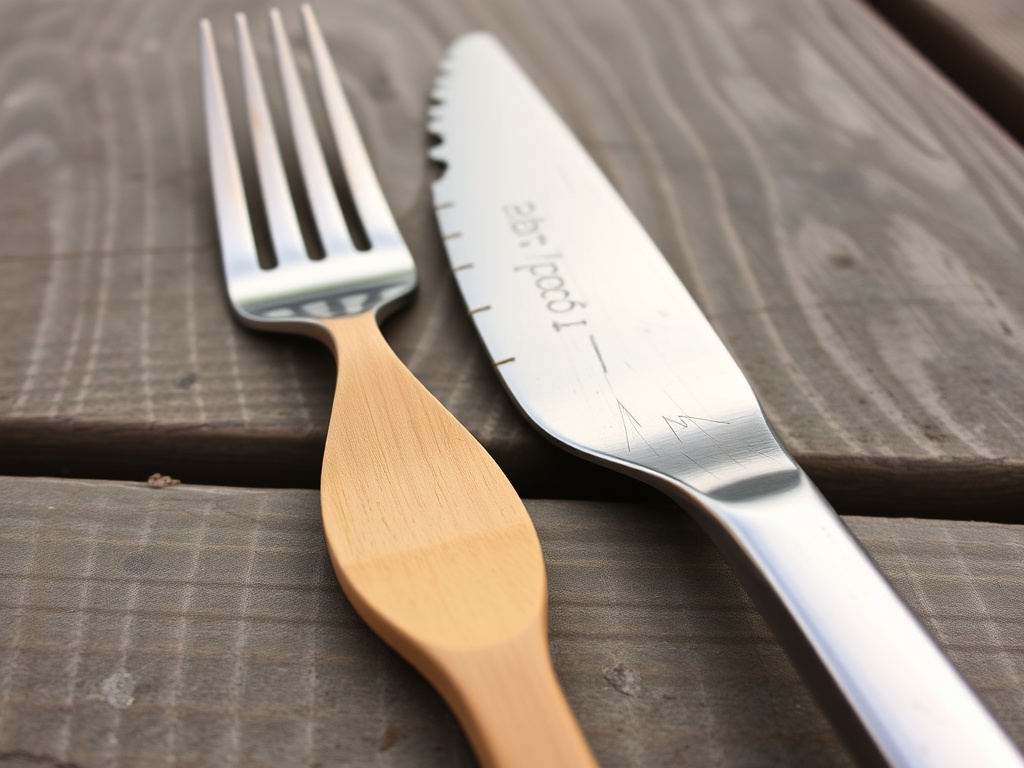
You are paying a premium for a product that is essentially acting exactly like single-use plastic, just with a friendlier, beige-colored marketing campaign.
So, how do dirty-boot travelers actually manage food logistics on the road without leaving a trail of garbage behind?
The Realistic Packing List
You don't need to buy a specialized zero-waste travel kit. The greenest gear is the stuff you already own.
- The Real Cutlery: Grab four forks, spoons, and knives from your actual kitchen drawer. Put them in a small cloth bag or roll them in a dish towel. If they have survived five years in your dishwasher, they will survive a weekend in your trunk.
- The Hydration Strategy: You know the drill. My battered 32oz Nalgene, affectionately known as "The Tank," goes everywhere. Stop buying individual water bottles at gas stations. Fill up at rest stops, visitor centers, or from a reliable gallon jug you keep in the car.
- The Cleanup Logistics: The hardest part of reusable gear is washing it when you don't have a sink. Bring a small spray bottle of biodegradable camp soap and a microfiber towel. A quick spray, a wipe, and a rinse with a tiny bit of water from The Tank is all it takes to keep your forks clean until you get home.
We have to stop trying to buy our way out of environmental impact. Progress over perfection means accepting that packing real forks takes ten extra seconds of your time, and washing them takes maybe two minutes. It is a minor trade-off, but it is one that actually works. The convenience of disposable gear is an illusion paid for by the soil.
Next time you pack the cooler for a spring drive, skip the beige plastic. Just grab the real thing.