The Math Checks Out: Why I Traded My Boarding Pass for an Amtrak Roomette

Look, let's be real. If you've spent more than five minutes scrolling through travel feeds, you've probably seen an airline bragging about their new "carbon offset" program. (Usually accompanied by a stock photo of a seedling in some perfectly manicured dirt).
I've run the numbers. The math doesn't add up. Offsets are largely harm-reduction donations, not a free pass to ignore the actual carbon output of rocketing a metal tube through the stratosphere.
If we want to get serious about the logistics of sustainable travel, we have to talk about the train. Specifically, the Amtrak sleeper car.
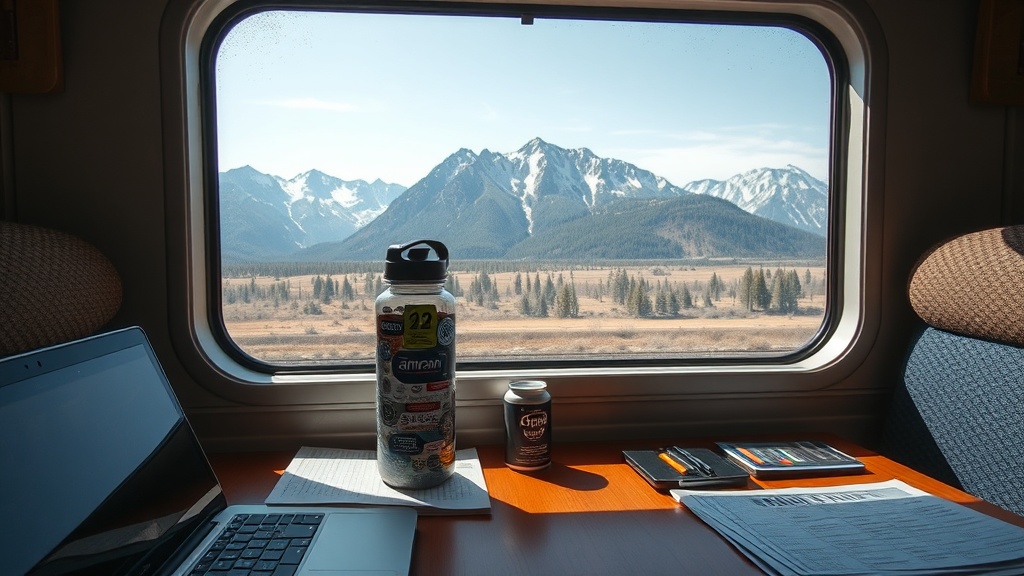
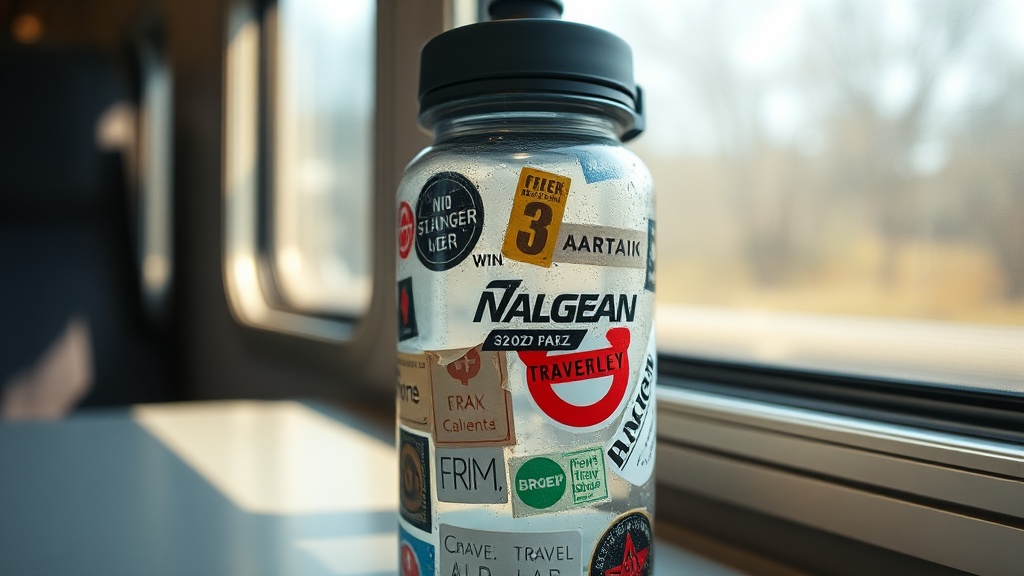
My beat-up 32oz Nalgene (affectionately known as "The Tank") and I recently spent 30 hours on the Coast Starlight route, auditing the real-world trade-offs of choosing rail over air. Here is the breakdown.
The Real Carbon Logistics
Let's skip the greenwashing. Does taking the train actually matter?
According to the data, traveling by rail is about 34% more energy-efficient than flying. On electrified routes, that greenhouse gas reduction can hit over 70%. But even on the diesel routes out West, the math checks out. You're moving a massive amount of weight, sure, but the passenger load factor and sheer volume of the train mean your individual footprint is significantly smaller than it would be on a commercial flight.
A recent deep-dive even found that per-passenger emissions on certain flight routes can exceed the annual emissions of a single resident in some developing nations. Compare that to Amtrak, where you're fundamentally sharing the burden of a single massive engine with hundreds of other people.
The Time Trade-Off (And Why It Works)
The biggest argument against the train is time. A two-hour flight from Portland to LA becomes a 30-hour rail journey.
But let's audit that "two-hour flight." You have to get to the airport two hours early. You spend an hour in a security line that forces you to throw away your toothpaste. You sit at a gate. You board. You deplane. You wait for bags. You navigate ground transport.
When you fly, you lose an entire day to high-stress logistics.
When you take an Amtrak sleeper car, the transit is the hotel. You get a bed, a desk, and a window that doesn't look out at a tarmac. I spent eight hours writing in my roomette, slept for another eight, and actually enjoyed the dining car (which, frankly, beats the hell out of a sad $18 airport sandwich).
Vibe Check: Progress over Perfection
Is Amtrak perfect? Absolutely not. The infrastructure needs a massive overhaul, delays happen because freight companies own the tracks, and the wifi is practically non-existent in the mountains.
But perfection isn't the goal; progress is. We can't keep pretending that tweaking the edges of aviation is going to solve our massive travel footprint.
Next time you're planning a domestic route, run the numbers. If you have the time, book the roomette. Bring your own water bottle (seriously, avoid the single-use plastics in the dining car), download your spreadsheets ahead of time, and enjoy the fact that you aren't participating in the airline industry's performative sustainability theater.
The math works. And frankly, the legroom isn't bad either.