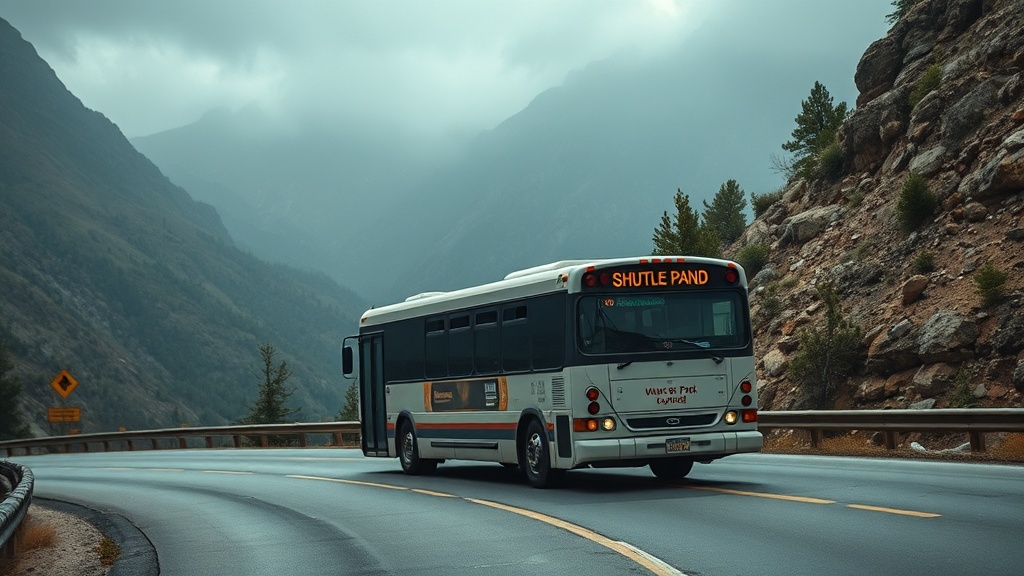
The Logistics of National Park Shuttles (And Why You Shouldn't Drive)

Look, let’s be real: the American road trip is deeply ingrained in our culture, but dragging your two-ton personal vehicle through a fragile alpine ecosystem is a logistical nightmare. If you are planning a trip to a major National Park this summer and you are fighting to get a vehicle reservation, you are focusing on the wrong problem.
I used to audit supply chains for a living, and the "last mile" logistics of our National Parks are a disaster. We are paving over critical soil to create parking lots for cars that will sit empty for eight hours while their owners hike.
Here is the actual audit of why you should park your car outside the gate and ride the shuttle.
The Soil Compaction Issue
This isn't just about exhaust. When you drive your car into a park, you inevitably have to park it. During peak season, official lots fill up by 7:00 AM. What happens next? People start pulling onto the shoulders.
(I have watched countless well-meaning visitors park their rented SUVs on fragile desert crusts because they "just wanted a quick photo.")
That "quick photo" crushes the biological soil crust or alpine tundra vegetation. It takes decades for that soil to recover. Shuttle systems eliminate this entirely. When you take a shuttle, you use established infrastructure. You get dropped off at the trailhead, and the vehicle leaves. Zero illegal parking, zero crushed vegetation.
The Emissions Math
The standard argument is, "But I drive a fuel-efficient car!" That doesn't matter when you are idling in a 45-minute traffic jam at the entrance gate.
The math is brutal: The Island Explorer shuttle system in Acadia claims a reduction of over 27,000 tons of greenhouse gas emissions just by getting people out of their personal vehicles over its lifetime. Nearly 60 percent of NPS-owned transit vehicles operate on alternative fuels like propane, compressed natural gas, or hybrid-electric systems. A shuttle moving 40 people on alternative fuel is exponentially better for the local air quality than 20 individual cars crawling in gridlock.
The "Time Tax" Reality Check
The most common pushback I hear from fellow humans is that the shuttle restricts their freedom. They want to operate on their own schedule.
Full disclosure: finding a parking spot in Yosemite Valley in July is not freedom. It is a slow, agonizing crawl that eats up hours of your trip. The time you think you are saving by driving your own car is instantly lost when you circle a full parking lot four times.
Shuttles are a forced constraint, yes, but they are a predictable one. You know exactly when they arrive and when they leave. That predictability allows you to actually focus on the hike, rather than mentally calculating whether you'll get towed.
The Verdict
If a park offers a shuttle system—use it. It should cost way more for cars to enter these parks anyway. Shuttles are the only way to save the soil and keep the parks functional.
If you absolutely must drive your own car because you are carrying specialized gear, fill every seat in that vehicle. But for the average dirty-boot traveler? Leave the car in the gateway town. Grab your Nalgene, get in line for the bus, and enjoy the fact that you aren't the one staring at taillights for two hours.