The Logistics of Longevity: 6 Pragmatic Ways to Stay Trail-Ready in 2026

Look, let's be real: if you spend ten minutes scrolling through "wellness" content in 2026, you'll be told that staying active into your later years requires a $5,000 biohacking retreat, a hyperbaric oxygen chamber, and supplements that cost more than a cross-country Amtrak sleeper ticket.
The math doesn't add up.
As someone who treats travel like a field operation, I'm deeply suspicious of corporate marketing masking itself as health. Recently, some high-profile neurosurgeons and longevity experts laid out the "six pillars" of an age-defying lifestyle. When you cut through the clinical jargon, it turns out you don’t need an expensive wellness vacation. You just need pragmatic, data-backed logistics to keep your joints and cardiovascular system ready for decades of heavy packs and rough terrain.
Here’s the BS-free audit of those six longevity pillars, adapted for those of us who prefer sleeping on the ground.
1. Movement Logistics (Pillar: Exercise)
The experts emphasize "functional movement." In our world, that means making sure your knees don't blow out on a Class 3 scramble. You don't need a pristine, climate-controlled gym; you need to carry your gear efficiently. If you want longevity, start treating your mobility like your pack weight: audit it regularly. Stretching after a long haul in a cramped train seat isn't a luxury; it's a necessary maintenance protocol to keep you trail-ready.
Vibe Check: Ensure your gear isn't secretly destroying your alignment. Check out our recent Greenwash Audit: Testing 3 'Sustainable' Hiking Boots to Failure to see if your footwear is actually supporting your joints.
2. The Math on Rest (Pillar: Sleep)
I cannot stress this enough: sleep is the ultimate recovery tool, but "optimizing" it shouldn't require a $300 wearable device. The science says your brain needs deep sleep to clear out toxins. When you're in a tent or a hostel, you can't always control the environment, but you can control your kit. Invest in a sleeping pad with a solid R-value and earplugs. That’s it. Stop letting wellness brands sell you on complex sleep supplements packaged in single-use plastics.
3. Fuel vs. "Eco-Chic" Superfoods (Pillar: Nutrition)
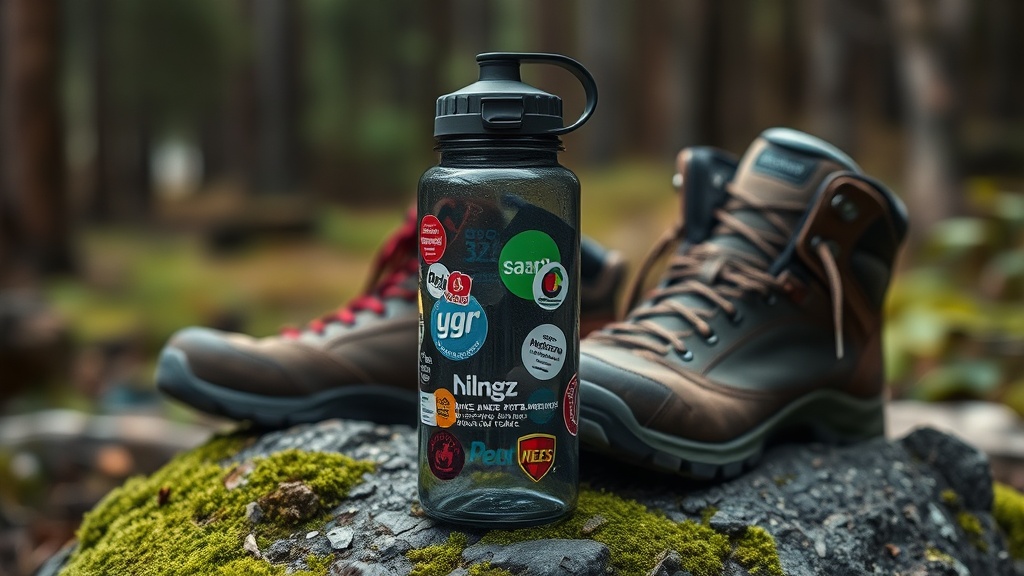
Neurosurgeons will tell you to eat a Mediterranean-style diet for brain and cellular health. Translated to the trail? Stop relying on ultra-processed, sugary "energy" bars marketed as eco-friendly. Focus on complex carbohydrates, stable fats, and actual food. You don't need a powdered superfood blend; you need oatmeal, nuts, and a reliable water filtration system to keep The Tank (my battered 32oz Nalgene) full.
4. Pragmatic Decompression (Pillar: Stress Management)
Chronic stress floods your system with cortisol, degrading your tissues over time. But let's be clear: escaping to a luxury eco-resort to "de-stress" is a privilege, not a scalable health strategy. Real stress management is about building resilience. It’s the deep breath you take when you miss your train connection in a second-tier city. It's accepting that travel involves friction and learning to navigate it without burning out your nervous system.
5. Tactical Problem Solving (Pillar: Cognitive Health)
Experts advocate for learning new skills to build neuroplasticity. Fortunately, adventure travel is basically a continuous cognitive test. Navigating a new transit system, learning basic phrases in a new language, or troubleshooting a broken stove in the backcountry—these aren't just logistical hurdles; they are literally keeping your brain young.
6. Your Adventure Crew (Pillar: Social Connection)
The data here is bulletproof: isolation kills. Maintaining your community is scientifically proven to keep you healthier longer. This isn't about performative networking; it's about the people who will split a post-hike beer with you, the friends who will help you patch your gear, and the community of dirty-boot travelers who share your values.
The bottom line? Progress over perfection. You don't need to buy into the wellness industrial complex to stay healthy enough to explore the world. You just need to keep your logistics tight and your boots moving.