The BS-Free Guide to an Eco-Friendly Easter 2026: Decor, Menus, and Parks

Look, let's be real—the moment April hits, my inbox gets flooded with press releases for "eco-chic" Easter baskets and "zero waste" pastel bamboo cutlery. (Because nothing says "saving the planet" like manufacturing and shipping a brand new set of seasonal plates you'll use once a year, right?)
As a former supply chain auditor, I have a massive problem with performative sustainability, especially around holidays. You don't need to buy a bunch of newly manufactured "green" products to have an eco-friendly Easter in 2026. Travel and holiday logistics involve trade-offs, and just like picking the right gear for a backcountry expedition, we need progress over perfection.
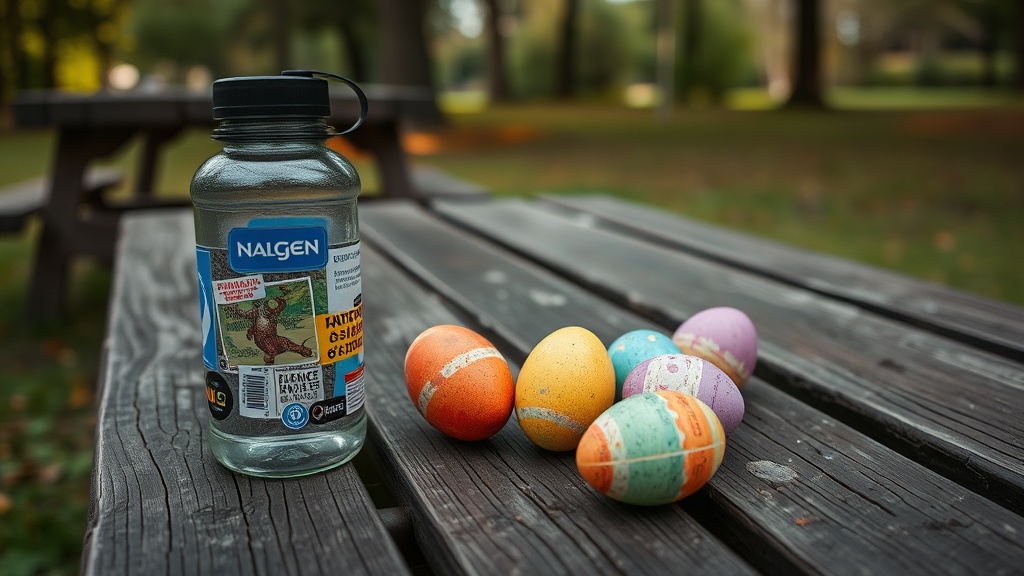
Grab your coffee (I'm currently drinking mine out of The Tank, my battered 32oz Nalgene), and let's run a quick Greenwash Audit on your upcoming Easter celebrations. Here is how fellow humans and dirty-boot travelers can actually reduce waste this spring.
The Decor Audit: Skip the Plastic Grass
The math doesn't add up on buying new "eco-friendly decor" to replace perfectly good decorations you already own. If you have plastic eggs from 1998, keep using them until they shatter. That's better than throwing them in a landfill to buy wooden ones.
But if you are starting from scratch or trying to phase out the junk, stick to natural materials. You don't need synthetic Easter grass that will inevitably end up vacuumed into your carpet or blown into a storm drain. Use real grass, shredded newspaper, or just skip it entirely. Dye real eggs using onion skins, beets, or turmeric—it's cheaper, the supply chain is infinitely shorter, and you can actually compost the shells when you're done.
The Plant-Based Menu: Harm-Reduction Logistics
I'm not here to drop a guilt trip on your family traditions, but the logistics of a traditional Easter ham are carbon-heavy. If we're looking at the data, swapping even one major meat dish for a plant-based alternative is a massive win for your holiday carbon footprint.
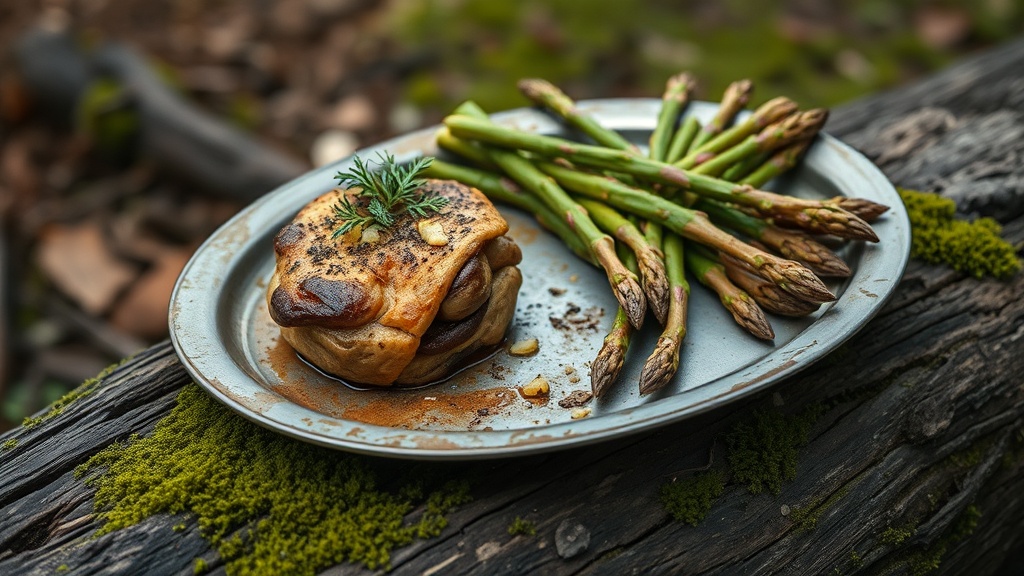
Think of it as a harm-reduction donation for the planet. You don't have to go 100% vegan to make a dent. Focus on local, seasonal produce. Swap out a heavy roast for a plant-based menu featuring a hearty mushroom Wellington, roasted spring asparagus, and a massive salad sourced from your local farmer's market. It cuts out the massive agricultural footprint, supports local economies, and frankly, leaves you feeling a lot lighter for the afternoon hike. The math checks out.
Outdoor Activities: The Leave No Trace Egg Hunt
If you're taking the kids (or competitive adults) out to a local park or trail for an Easter egg hunt, standard outdoor rules apply. "Leave No Trace" doesn't get suspended just because there's a bunny involved.
I can't tell you how many times I've been on a trail audit in late April and found cracked plastic egg shells shoved into the underbrush. If you're hiding eggs in public green spaces, you are responsible for 100% extraction. Count what goes out, and count what comes back in. If you want to make it an actually sustainable holiday, ditch the cheap plastic trinkets inside the eggs. Use coins, IOUs for local experiences, or small batch candies in paper wrappers.
Look, no one expects your holiday to be pristine. (I actively ban the word "pristine" from my vocabulary anyway). But by cutting out the performative buying and focusing on transparent, low-waste choices, you can easily pull off an outdoor activity-filled, sustainable Easter 2026.
Now, if you'll excuse me, I need to go scrub a beet stain off my hiking boots.
You might also enjoy
- Outdoor Living: 5 Ways to Create a Pollinator-Friendly Garden This Spring
- How to Launch a Green Tech Career in 2026: A Step-by-Step Guide
- The Pragmatist’s Guide to Amtrak Sleeper Cars: Does the Carbon Math Actually Work?