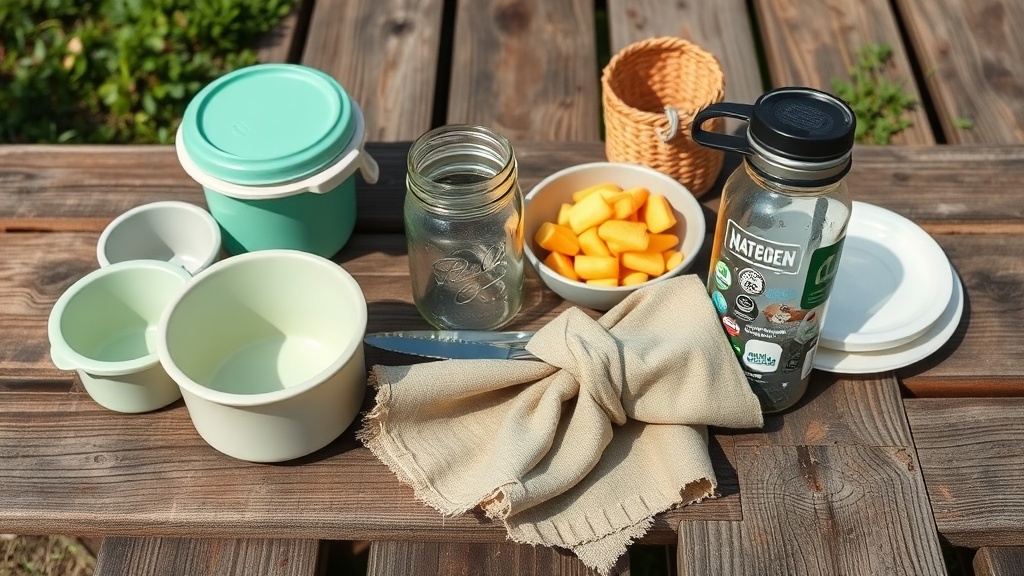
The BS-Free Guide to a Zero-Waste Spring Picnic: Use the Gear You Already Own

Look, let's be real: you do not need to buy a $45 bamboo-and-recycled-plastic "eco-chic" picnic set to eat a sandwich outside this spring.
Every year, as the weather warms up, the marketing machines kick into high gear, convincing you that your current tupperware is somehow fundamentally inadequate for the outdoors. It’s greenwashing at its finest—selling you new products under the guise of "sustainability." The truth? The most eco-friendly gear is the stuff currently sitting in your kitchen cabinets.
Here is the BS-free, pragmatic logistical guide to packing a truly zero-waste spring picnic without spending a dime on new performative gear.
1. The "Biodegradable" Myth vs. Your Kitchen Cabinets
I see people stressing over which brand of biodegradable plates to buy. Let's do the math on that: manufacturing and shipping single-use plates—even if they're made from palm leaves or compostable bamboo—still requires massive amounts of water, energy, and carbon. Plus, most municipal composting facilities reject them anyway.
The strategy is simple: raid your kitchen.
- Containers: Grab your mismatched glass Pyrex, those old takeout containers you’ve been hoarding, and mason jars.
- Utensils: Use real metal silverware. Roll them up in an old dish towel or cloth napkin.
- Plates: Bring your everyday ceramic or melamine plates. Yes, they are heavier. You're walking to a park, not summiting K2.
2. Cooler Logistics: The Thermal Math
Single-use ice bags are a logistical failure. They melt, ruin your sandwiches, and create a plastic waste nightmare.
Instead, rely on the frozen water bottle strategy. A few days before your outing, freeze two or three large reusable bottles (I use "The Tank," my battered 32oz Nalgene, but any sturdy bottle works). They act as high-mass cooling blocks for your food. As they melt throughout the day, you have ice-cold drinking water. The thermal efficiency is significantly higher than cubed ice, and there's zero plastic waste.
3. Food Scraps & Leave No Trace
We talk a lot about Earth Day Voluntourism, but real environmentalism starts with basic Leave No Trace principles in your local park.
Don't rely on overflowing park trash cans. Pack a dedicated "dirty" bag—an old bread bag or a washable wet-bag—for food scraps (apple cores, crusts) and dirty utensils. Take it all home. Compost the organics in your cedar raised beds, and throw the dishes straight into the dishwasher.
The Bottom Line
A zero-waste picnic isn't an aesthetic. It's a logistical operation. Don't buy the hype, don't buy the bamboo sporks, and stop treating nature like a photo op for your new gear. Pack what you own, manage your waste, and actually enjoy the outdoors. The math checks out.