The 'Biodegradable' Plastic Trap: A Field Audit of Eco-Toiletries

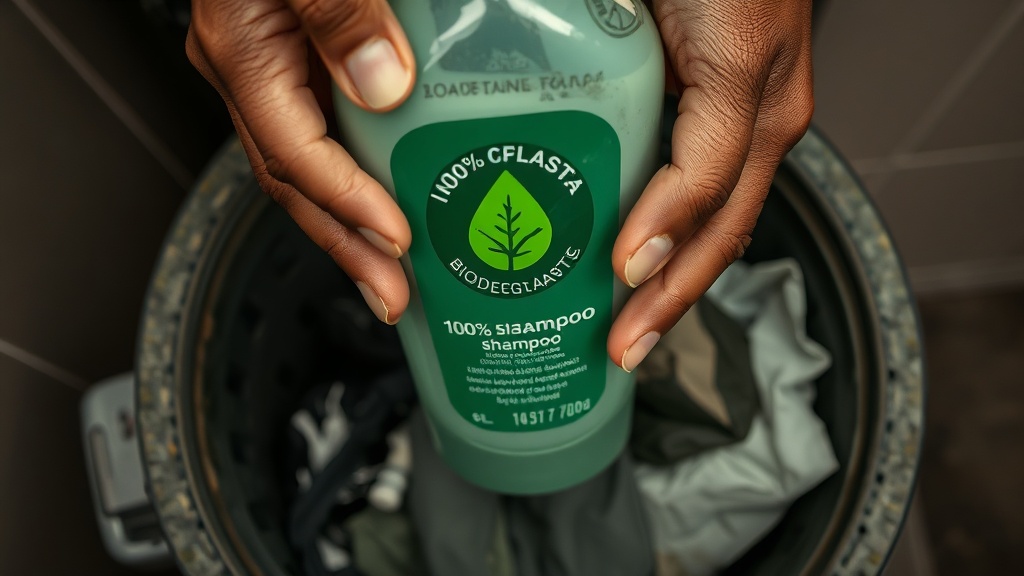
Look, let's be real: we've all stood in the travel aisle at the pharmacy, guilt-tripping ourselves over three-ounce bottles of shampoo. And we've all felt that brief surge of relief when we spot the bottle with the green leaf logo that says "100% Biodegradable" or "Compostable." It costs four dollars more, but hey, you're doing your part for the ocean, right?
The math doesn't add up.
I spent the last week digging into the supply chain of these "eco-friendly" plastics, and the reality is messy. (Major eye-roll at the marketing teams who know exactly what they are doing here).
Here is the gritty truth about the biodegradable toiletries in your Dopp kit, and the actual logistics of how to pack better.
The Industrial Composting Reality Check
When a bottle says "compostable," your brain pictures it dissolving gracefully into the soil of a lush forest floor.
The reality? That bottle is likely made of PLA (polylactic acid). It requires an industrial composting facility that maintains a consistent temperature of 140°F (60°C) for days on end to break down.
Are you taking your empty shampoo bottle to an industrial composting facility after your trip to Costa Rica? No. You are throwing it in the hotel trash can.
When that PLA bottle hits a regular landfill, it gets buried under tons of garbage, deprived of oxygen and light. It essentially mummifies. It will sit there just as long as a regular plastic bottle. The only difference is that you paid a premium for the feeling of being sustainable.
The "Biodegradable" Loophole
"Biodegradable" is even worse. It's a legally murky term that essentially means "this will eventually break down into smaller pieces." Everything is biodegradable on a long enough timeline. When those plastic travel tubes break down in a marine environment, they don't turn into fertilizer—they turn into microplastics.
The Actual Harm-Reduction Solution
So, what's the pragmatic move for dirty-boot travelers who just want to wash their hair without wrecking the local watershed?
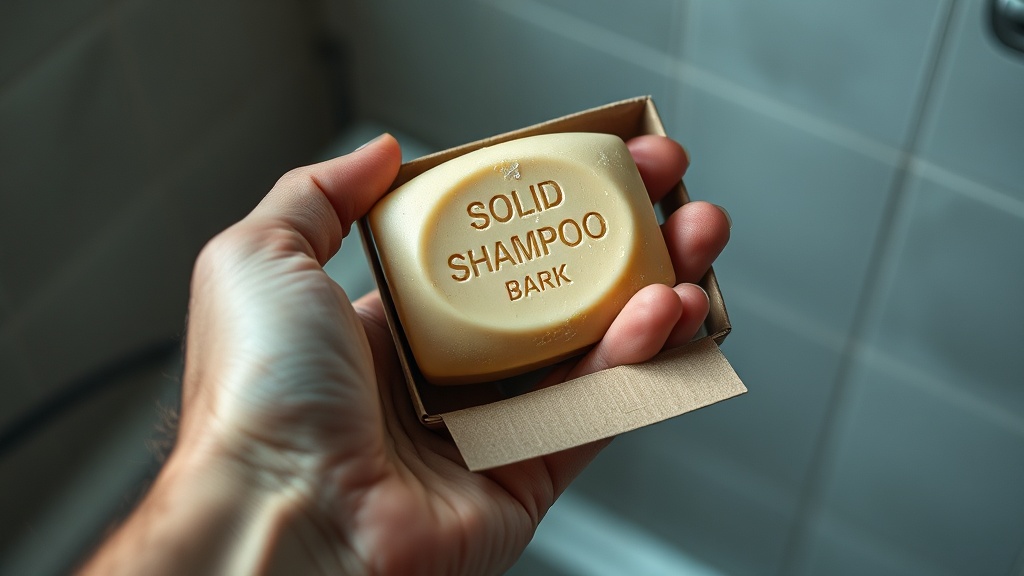
- The Bar Soap Audit: Stop transporting water. Liquid shampoo is mostly water packed in heavy plastic. Switch to a solid shampoo bar. It comes in a cardboard box, lasts three times as long, and won't explode in your carry-on. (I've been using the same solid bar for four months, and the math on cost-per-wash is undeniably better).
- The Refill Logistics: If you absolutely need liquid products, buy high-quality silicone travel tubes and refill them from bulk bottles at home. Yes, silicone is synthetic, but a good set has a lifetime warranty. The greenest product is the one you don't throw away.
- The "Tank" Mentality for Toiletries: Treat your Dopp kit like I treat "The Tank" (my 32oz Nalgene). Buy durable, buy once, and stop relying on single-use items, even if they have a green leaf printed on them.
We need to stop buying into the idea that we can consume our way to sustainability. Progress over perfection, fellow humans. Just buy the bar soap and get back out there.