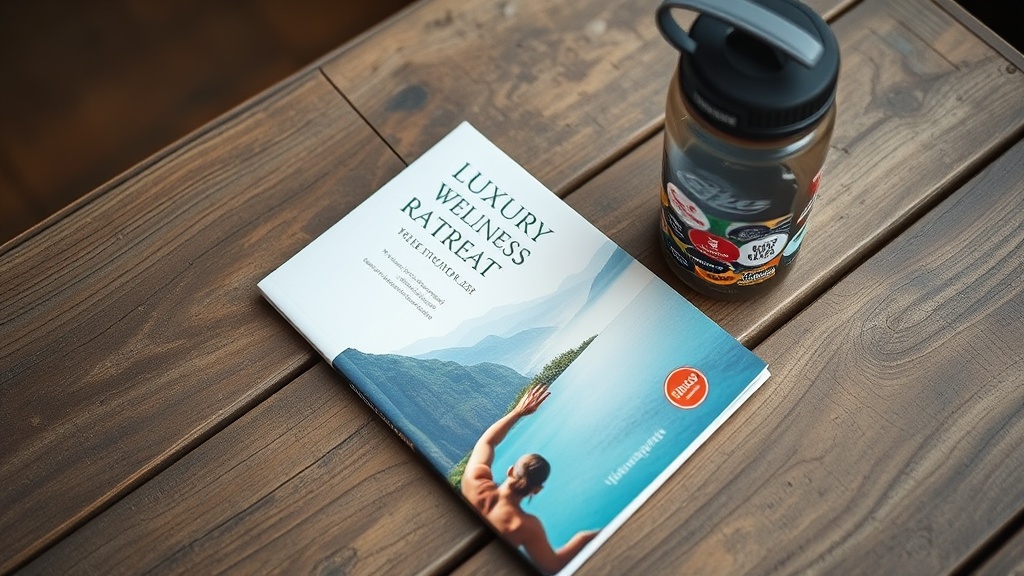
The 'Bio-Harmony' Retreat Trap: A Logistics Audit

Look, let's be real: as the spring travel season ramps up, the algorithm is working overtime to sell us "bio-harmony." If you've been targeted by these ads, you know the aesthetic—a $5,000-a-week retreat in Costa Rica or Bali promising to align your circadian rhythm, reset your internal clock with organic superfoods, and sync your body to the earth's natural cycles.
The marketing is incredibly compelling. The logistics, however, are a disaster.
As a former supply chain auditor, I look at wellness tourism the same way I look at ultra-light gear or airline offsets. When you run the numbers on flying halfway across the planet to achieve "environmental alignment," the math doesn't add up. Here is the gritty reality of the bio-harmony retreat trap.
The Carbon Cost of Circadian Alignment
Let's audit the primary contradiction of the international wellness retreat. The core premise of bio-harmony is synchronizing your body with natural light and local ecosystems. But to get to that pristine (and I use that word with a major eye-roll) jungle sanctuary, you have to strap yourself into a metal tube and blast across multiple time zones, burning thousands of gallons of jet fuel in the process.
The carbon footprint of a round-trip flight from New York to Bali completely negates any localized environmental good the retreat claims to practice. You are inducing massive jet lag—literally breaking your circadian rhythm—in order to pay an "expert" thousands of dollars to fix it. It is a manufactured problem sold alongside an expensive, high-emissions solution.
The Supply Chain of "Healing" Foods
These retreats often heavily promote a highly curated, plant-based diet designed to optimize your biology. But let's apply the "Garnish Garden" audit to that menu.
Are the maca powder, açai berries, and specialized wellness supplements actually grown in the local soil outside your eco-yurt? Rarely. To maintain a standardized "wellness" menu for international guests year-round, these isolated resorts rely on massive, resource-intensive supply chains. Trucking out-of-season superfoods through fragile local ecosystems so tourists can have the perfect smoothie bowl is the exact opposite of biological harmony.
The Pragmatic Alternative
I don't believe in guilt trips, and if you want to take a vacation to sit on a beach, just do it. But don't cloak a high-emissions luxury trip in the language of environmental or biological necessity.
If you actually want to respect your circadian rhythm and travel sustainably, the solution is aggressively local and painfully unglamorous. It looks like taking an Amtrak sleeper car to a second-tier city. It looks like filling up "The Tank" (my battered Nalgene) and spending three days hiking a regional state park where the time zone hasn't changed. It looks like eating whatever root vegetables are actually in season at the local diner.
Progress over perfection, fellow humans. The ultimate bio-harmony doesn't require a passport, and it definitely doesn't require a $5,000 retreat. Save your money, skip the flight, and just go outside.