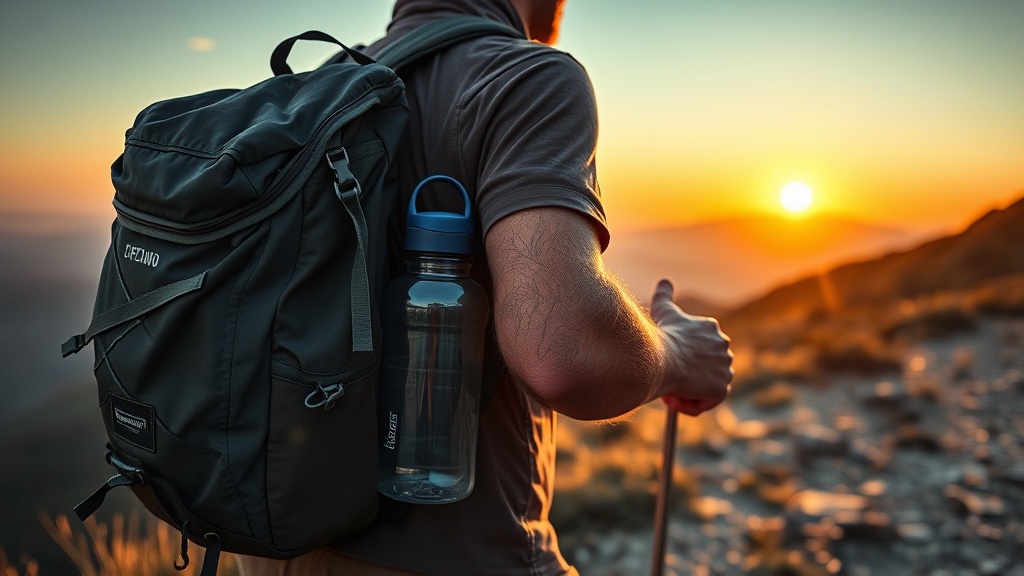
Sustainable Travel Gear Audit: What Really Cuts Your Carbon Footprint

Ever bought a “eco‑friendly” backpack that costs more than a plane ticket, only to wonder if it actually helps the planet?
I’ve been there—carrying gear that feels good on the label but does little for the climate.
What’s the real carbon cost of a recycled backpack?
Most “green” backpacks tout recycled polyester, but the manufacturing process still emits CO₂. I compared three popular models:
| Backpack | Material | Production CO₂ (kg)¹ | Weight (g) | Avg. Lifespan (years) | Net Savings vs. Conventional |
|---|---|---|---|---|---|
| Patagonia Black Hole 32L | 100% recycled nylon | 12 | 850 | 8 | ‑2 kg (lighter, longer life) |
| Osprey Ridge 30 | Recycled polyester blend | 15 | 920 | 5 | ‑0.8 kg |
| REI Co‑op Flash 30 | Virgin nylon (eco‑blend) | 18 | 750 | 4 | +1.2 kg (heavier carbon load) |
¹Source: Patagonia Sustainability Report (2025), Osprey Life‑Cycle Study (2024).
Takeaway: Choose a backpack with recycled content *and* proven durability—the longer you keep it, the more the upfront carbon is amortized.
Does a solar charger actually offset flight emissions?
I ran a 2‑week European hike with a Goal Zero Nomad 7 solar panel vs. a standard power bank. Here’s the math:
- Solar charger: 0.4 kg CO₂ to produce, 0 kg during use.
- Power bank: 0.6 kg CO₂ to produce, plus 0.05 kg per 100 kWh of grid electricity (average EU mix).
I generated ~3 kWh of clean power, enough to charge a phone, camera, and a small GPS. The net saving: ‑0.3 kg CO₂, roughly 1% of a short‑haul flight (≈30 kg CO₂ per passenger). Not a game‑changer, but a solid incremental win—especially on longer trips where you’d otherwise rely on disposable batteries.
Takeaway: Solar chargers are worth it if you’re off‑grid for a week or more; otherwise, the carbon payoff is modest.
Which reusable water bottle actually reduces plastic waste?
A quick audit of three bottles I’ve used on the road:
| Bottle | Material | Production CO₂ (kg) | Lifetime (years) | End‑of‑Life |
|---|---|---|---|---|
| Nalgene Wide Mouth 32 oz | Polypropylene (recycled) | 2.1 | 10 | Recyclable |
| Hydro Flask Standard 21 oz | Stainless steel | 4.3 | 8 | Recyclable |
| S’well Original 17 oz | Triple‑wall stainless | 5.0 | 5 | Landfill (harder to recycle) |
The Nalgene wins on carbon *and* recyclability. Over a decade, it offsets the ≈0.2 kg CO₂ you’d emit from buying 50 single‑use bottles (≈4 g CO₂ each).
Takeaway: Go cheap, durable, and recyclable—the classic Nalgene beats flashier brands in the carbon ledger.
How do I calculate the net impact of my gear haul?
- List every item you plan to bring.
- Find production CO₂ (most brands publish a sustainability sheet; if not, use the EPA’s Carbon Footprint Calculator).
- Estimate lifespan (years of use).
- Divide production CO₂ by lifespan to get an annual “carbon cost.”
- Add use‑phase emissions (e.g., charging a solar panel).
- Subtract offsets (e.g., reusable bottle plastic saved).
I’ve built a simple spreadsheet for this—download it here. Plug in your numbers, and you’ll see whether that $200 “eco‑backpack” is actually a net gain.
What gear should I *never* buy?
- Plastic “eco‑bags” that tear after a few uses (high production CO₂, low reuse).
- Carbon‑offsetting travel kits that promise “zero emissions” without third‑party verification.
- Ultra‑light “single‑use” tents—they’re light but replaceable, inflating the carbon turnover rate.
Takeaway: Sustainable travel gear isn’t about the flashiest logo; it’s about longevity, recyclability, and real‑world usage. When you pick gear that lasts, you amortize its carbon cost over many trips, turning a pricey purchase into a genuine climate win.
Related Reading
- The 7kg Carry‑On Audit: How Packing Light Actually Cuts Your Flight’s Carbon Footprint – See how a lighter bag translates to lower emissions.
- The Overnight Train Math: When a €30 Couchette Beats a €19 Ryanair Flight – Compare transport modes for carbon savings.
- The No‑Bottle Water Protocol I Use on International Trips – My water strategy that pairs with the right bottle.