Stop Buying "Sustainable" Gear: A Reality Check

Look, let’s be real: the outdoor industry has a massive overconsumption problem disguised as environmentalism. Every season, we're bombarded with ads for new fleeces made from recycled water bottles and hiking boots constructed from "ocean-bound plastics."
It sounds great on paper, but the math doesn’t add up.
If you’re tossing a perfectly functional jacket into a landfill (or a "donation bin" that ultimately ships it to a landfill across the world) just to buy a new "eco-friendly" one, you aren’t helping the planet. You’re just feeding a different supply chain.
The Vibe
Brands want you to feel like a conservationist because you bought a $400 shell jacket. They want you to believe that purchasing power equals environmental action.
The Reality
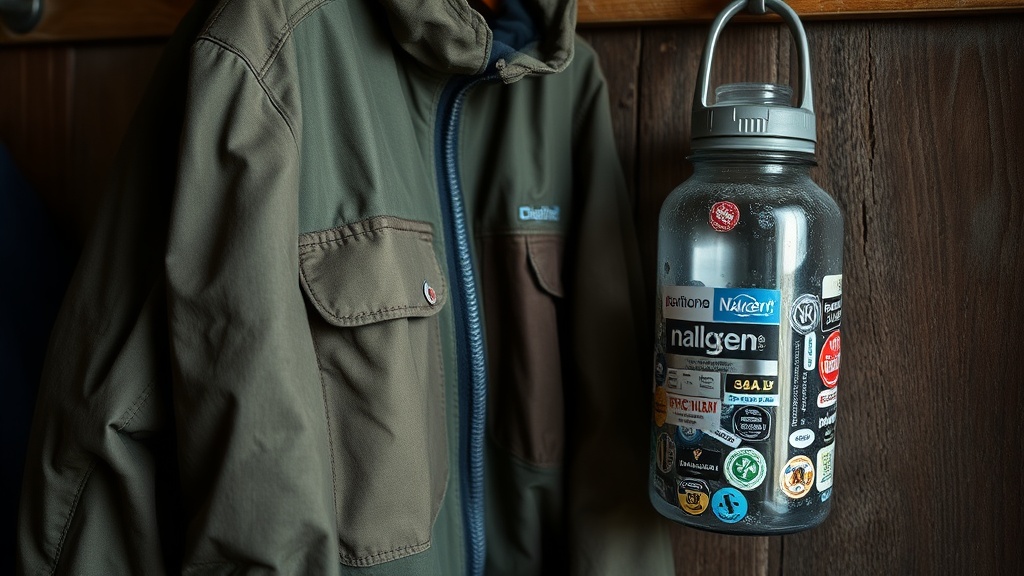
The greenest jacket on the market is the one currently hanging in your closet. Probably the one you bought in 2014.
Manufacturing a new garment—even one made from 100% recycled materials—requires massive amounts of water, energy, and chemical processing. The logistics of shipping those recycled bottles to a processing plant, turning them into thread, weaving the fabric, assembling the jacket, and shipping it to your front door generates a carbon footprint that takes years of use to offset.
The Audit: How to Actually Be Sustainable with Gear
- Repair Over Replace: Got a hole in your tent? Patch it. Zipper broke on your sleeping bag? Take it to a local tailor. The amount of gear that gets trashed for minor, repairable issues makes my logistics-wired brain physically wince.
- Buy Used First: If you genuinely need a piece of gear, hunt it down used at a local consignment shop. Keep existing materials in circulation.
- The Lifetime Warranty Test: If a brand doesn't offer a lifetime warranty or a robust repair program, their gear isn't sustainable. Full disclosure: if they expect it to break and be replaced in three years, it’s just planned obsolescence.
The Footprint
Don't get me wrong. When your 2014 fleece finally disintegrates into dust after a decade of hard use on the trail, absolutely go buy the recycled option. But until then, wear your old gear with pride. Let the duct tape patches be a badge of honor.
(And please, fellow humans, stop buying specialized gear for a one-off weekend trip. Just rent it or borrow it from a friend. The logistics of storing a zero-degree sleeping bag you use once every five years are absurd.)
We don't need millions of people buying new "green" gear. We need millions of dirty-boot travelers making do with what they already have.