Stop Buying 'Eco-Friendly' Travel Minis: A Pragmatic Audit

Look, let's be real—the travel industry's obsession with "eco-chic" bamboo travel miniatures is just another way to get you to buy things you don't need. Every spring, as soon as the weather breaks, my feed is flooded with ads for single-use, organic, ethically sourced, artisanal travel shampoos.
It’s performative sustainability at its finest, and honestly, the math doesn't add up.
Let's do a quick Greenwash Audit on these 'zero-waste' starter kits. Yes, that tiny bamboo toothbrush or bioplastic lotion bottle might technically be compostable (in a commercial facility that you definitely don't have access to on the trail). But when you factor in the carbon logistics of manufacturing a brand new, highly specialized product and shipping it to your house, you are digging a deeper hole than if you just used what you already have. We talked about this exact kind of nonsense in our recent audit of Earth Day travel buzzwords—it's cost-saving masquerading as eco-policy, or worse, consumerism masquerading as activism.
Vibe Check: Are you buying a travel kit because it actually lowers your footprint, or because the aesthetic looks good on an Instagram grid?
The True Carbon Logistics
Here is the data: creating new products requires energy, raw materials, and global supply chains. A bioplastic bottle that holds 2 ounces of shampoo requires significantly more carbon overhead per ounce than the generic 32-ounce bottle sitting in your shower right now. Replacing a functional item with a "green" item is still consumerism.
The Pragmatic Solution: Decanting
The only math that actually checks out? Decanting.
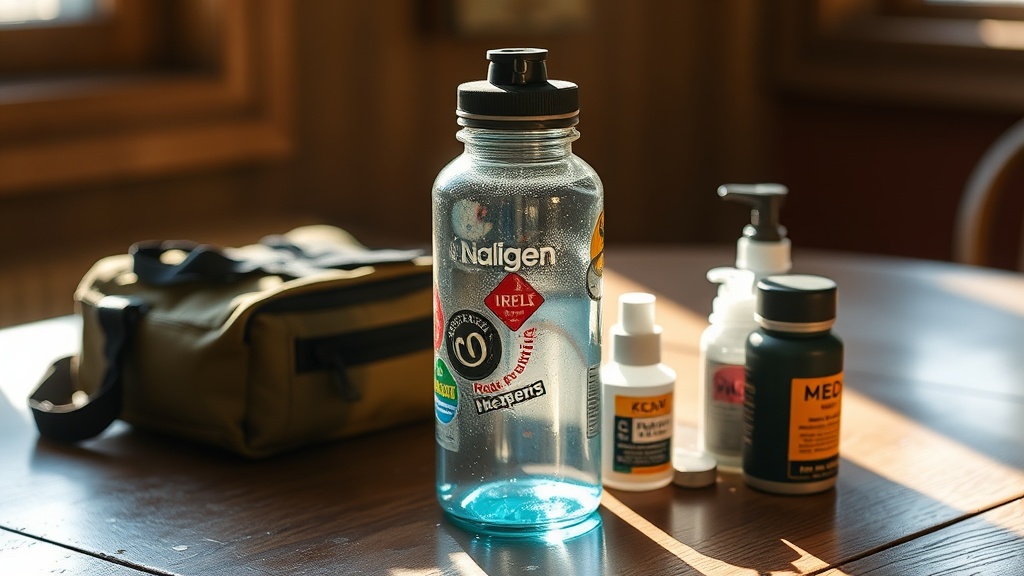
Instead of buying a $45 "eco-travel" hygiene set, use durable, reusable containers you already own. My kit consists of three heavy-duty silicone squeeze tubes I've had for five years. I fill them from my bulk home supplies before every trip. They get tossed in alongside "The Tank" (my battered 32oz Nalgene, which has survived more drops than I care to admit and is the only water bottle you actually need).
It’s not glamorous. It doesn't look like a curated lifestyle post. But it works, it saves you money, and it stops the cycle of buying new things just to feel better about your impact. If you want to make sure your body is actually prepared for the trip, check out our guide on staying trail-ready in 2026, but leave the artisanal soaps at home.
Cost Breakdown
- "Eco-Friendly" Travel Kit: $40-$60 (plus shipping carbon).
- Decanting: $0. You already bought the shampoo. You probably already have a small jar or bottle from an old prescription or condiment.
Sustainable travel involves trade-offs, but this isn't one of them. Stop letting marketing dictate your gear. Use what you have, refill it until it breaks, and save your budget for the actual trip.