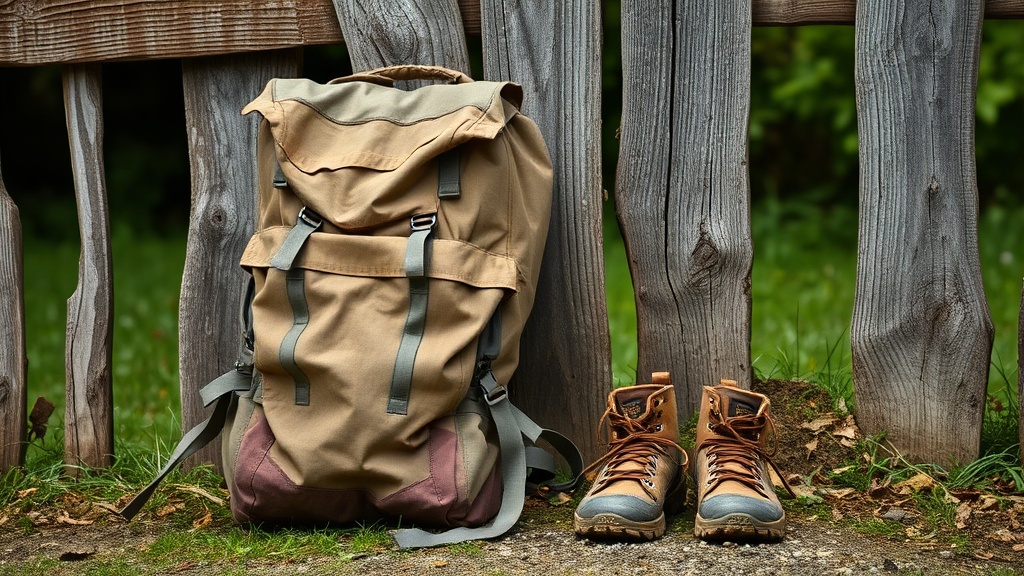
Stop Buying "Eco" Fast Fashion: 5 Travel Items That Actually Survive 10 Years

The Patagonia Ironclad Guarantee (and Worn Wear)
Repair infrastructure matters more than marketing.
"The Tank": Your Battered 32oz Nalgene
Indestructible plastic outlasts fragile glass and compostables.
Darn Tough Socks
Unconditional lifetime guarantee saves money in the long run.
Cotopaxi's Del Día Collection
Repurposed remnant factory fabrics with true durability.
A Simple, High-Quality Sewing Kit
Basic field repairs prevent unnecessary replacements.
Look, let's be real: Earth Day is approaching, and your inbox is about to be flooded with "eco-friendly" collections from every outdoor brand on the planet. Suddenly, everything is made from "recycled ocean plastic" or features a leafy green tag that promises you're saving the world by buying more stuff.
(Major eye-roll).
Here is the gritty, boring truth they don't put in the marketing brochures: the greenest gear is the stuff you already own. And if you absolutely have to buy something, the second greenest gear is the stuff that won't break for a decade. A "biodegradable" jacket that falls apart after one season of actual use is a logistics failure, not a win for the planet. True sustainability isn't about buying recycled; it's about extreme longevity, repairability, and refusing to replace items until they are truly dead.
For my fellow dirty-boot travelers, here are 5 items that actually survive the long haul. No greenwashing, just the math.
1. The Patagonia Ironclad Guarantee (and Worn Wear)
We can't talk about durable gear without talking about Patagonia. Yes, they are a massive brand, but the math checks out on their repair infrastructure. When you're buying a jacket, you shouldn't just be looking at the materials—you need to look at the warranty.
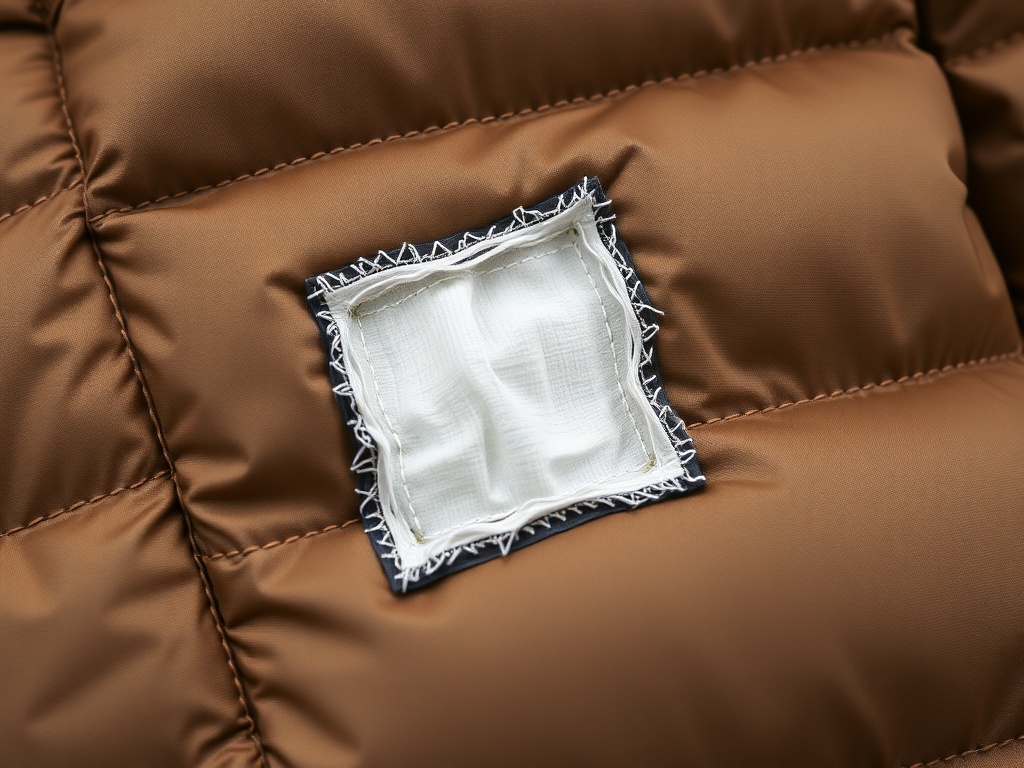
Patagonia's Worn Wear program is the gold standard because they actually want to fix your broken zipper instead of selling you a new fleece. I have a Nano Puff jacket from 2014 that has been patched three times. It looks like a patchwork quilt of survival, but it still works. A brand's repair logistics matter significantly more than whatever "eco-fabric" they're pushing this season.
2. "The Tank": Your Battered 32oz Nalgene
Let me address the fragile glass water bottles and the "compostable" single-use plastics right now: they don't survive the real world. I carry a sticker-covered 32oz Nalgene everywhere. It has its own seat at the table.
Yes, it's plastic. But it is virtually indestructible plastic that you will use thousands of times. I've dropped mine down a ravine in the North Cascades, used it as a foam roller for sore calves, and poured boiling water into it for a makeshift sleeping bag heater. It’s a tank. Buying one indestructible plastic bottle and using it for 15 years is exponentially better harm-reduction than cycling through a dozen trendy alternatives.
3. Darn Tough Socks (The Unconditional Lifetime Guarantee)
Socks are usually a disposable item in the travel world. You blow out the heel, you toss them. Darn Tough changed the logistics on this completely.
Their unconditional lifetime guarantee means exactly what it says. If you wear a hole in them, you send them back, and they send you a new pair. They can only afford to offer this because the socks are over-engineered to withstand an absurd amount of abuse. Yes, you're paying $25 for a pair of socks, but the math works in your favor when you realize you will never have to buy that pair again.
4. Cotopaxi's Del Día Collection
A lot of brands claim sustainability by manufacturing new "recycled" materials, which still requires massive amounts of energy and water. Cotopaxi took a more pragmatic route with their Del Día line.
Instead of making new fabrics, they take the high-quality remnant scraps left over from other companies' massive production runs—materials that were destined for the landfill—and let their sewers design bags out of them. The result is a highly durable, entirely unique bag that required zero virgin materials to be manufactured. It's a masterclass in supply chain efficiency masquerading as a colorful backpack.
5. A Simple, High-Quality Sewing Kit
This isn't a brand, but it's the most important item in your pack. The reality is that gear fails. Straps break, tents tear, and buttons pop off in the middle of a 15-mile day.
If you don't know how to do a basic field repair, you are going to end up replacing gear that still has years of life left in it. A heavy-duty needle, some un-waxed dental floss (which is stronger than standard thread), and a patch of tenacious tape will save you hundreds of dollars and keep your gear out of the trash.
The Vibe Check: Stop falling for the seasonal "eco-chic" marketing pushes. Next time a brand tries to sell you on their new green line, check the warranty. If they don't guarantee it for life, they know it’s going to end up in a landfill. Buy less, buy better, and learn to patch your own holes.