Spring Picnic Logistics: A BS-Free Zero-Waste Guide

Look, let's be real: the first warm weekend of spring always triggers an avalanche of targeted ads for "eco-chic" bamboo picnic sets and $150 sustainable fabric coolers. Brands know you're itching to get outside after a long winter, and they're more than happy to sell you a fresh aesthetic under the guise of saving the planet.
As a former logistics coordinator who spends her days auditing supply chains, I have zero patience for this kind of performative sustainability. If your goal is to reduce your carbon footprint while enjoying a group meal in the park, buying a brand-new set of matching travel plates is actually counterproductive. The math doesn't add up.
If you want a truly zero-waste spring picnic, you don't need a premium product line. You just need basic logistics and the gear you already own.
The "Eco-Friendly" Picnic Trap
When I audit a destination's green claims, I look at the lifecycle data. According to the EPA, the manufacturing and shipping footprint of that new bamboo utensil set far outweighs the impact of just grabbing the metal forks from your kitchen drawer.
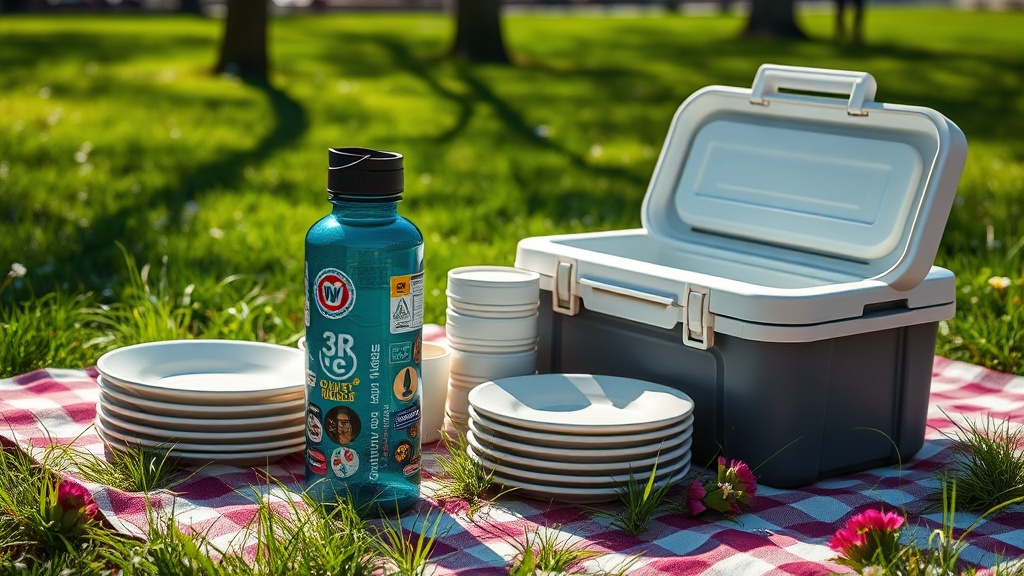
You do not need dedicated "travel" plates. Roll your daily kitchen ceramics or durable plastic bowls in a few dish towels (which double as napkins) and pack them in a tote bag. Yes, they are slightly heavier. No, they are not perfectly curated for an aesthetic flat-lay. But using what you already own is the only math that actually checks out.
Hydration Logistics: Enter "The Tank"
The biggest source of waste at any group outdoor meal is the inevitable 12-pack of plastic water bottles. Instead of relying on single-use plastics or buying specialized "group hydration bladders," use what you have.
My battered 32oz Nalgene—affectionately known as "The Tank"—is a non-human permanent fixture in my life. For group picnics, I just ask everyone to bring their own Tank (or whatever reusable bottle they prefer). For backup, a standard hard-sided water jug from a thrift store works perfectly. It's not a complicated operation.
Food Transport: The Cooler Audit
Let's talk about coolers. The market is flooded with high-end, sustainably sourced fabric coolers that cost a ridiculous amount. But when it comes to insulation and longevity, a secondhand hard-shell cooler from a garage sale is vastly superior. It holds temperature longer, is virtually indestructible, and keeping an existing product in circulation requires zero new manufacturing emissions.
Urban Leave No Trace: A Quick Vibe Check
Leave No Trace principles aren't just for the backcountry. When you're packing up your picnic in a city park, the same rules apply. Pack out what you pack in. Don't rely on overflowing municipal trash cans to handle your food waste. If you brought it in your tote bag, you can carry it home to compost or recycle properly.
Spring travel and outdoor dining involve trade-offs, but you don't need to buy your way into sustainability. Progress over perfection. Grab your kitchen plates, fill up The Tank, and enjoy the weather. I've already done the boring research, so you don't have to.