Spring Fitness Refresh: Why Outdoor Workouts Beat the Gym After Daylight Savings

Your perfectly climate-controlled morning gym habit might not be doing you any favors for the upcoming travel season.
With the recent daylight savings shift, those extra evening hours of sunlight remove any excuse to stay inside. If you are planning adventure travel this summer, whether navigating the cobblestones of a European city or hiking in the Cascades, your body needs to remember what uneven terrain feels like.
Moving the operation outside and testing your gear during these extended daylight hours is an effective way to handle your physical preparation.
The Problem with Treadmills
A flat belt moving under your feet at a constant pace creates a sterile environment. It offers minimal engagement for your stabilizer muscles. When you are navigating a backcountry trail or carrying luggage to a train station two miles away, the ground is rarely perfectly flat.
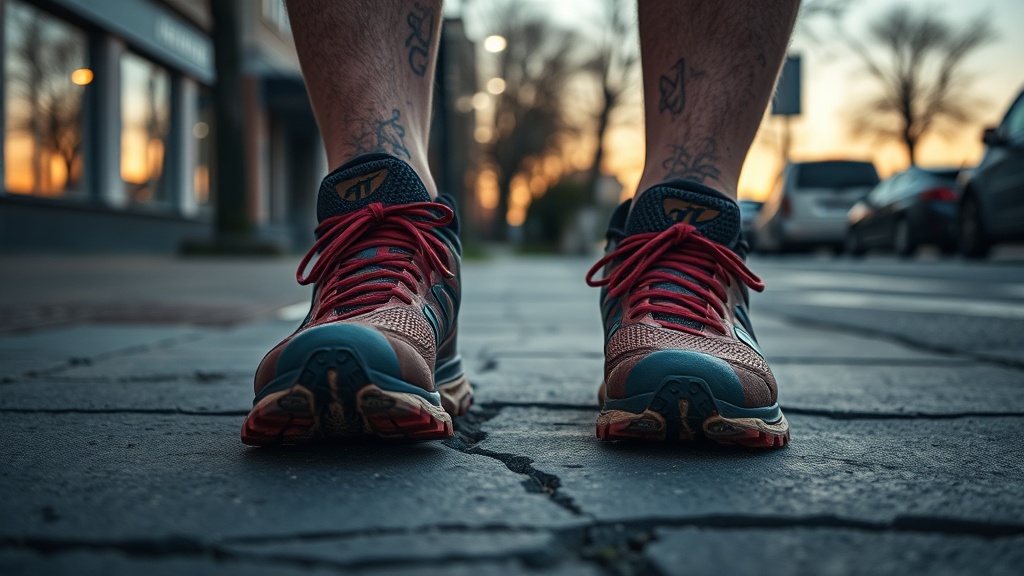
Outdoor workouts force your body to deal with wind resistance, elevation changes, and unpredictable surfaces. Training in the elements prepares you for the elements. Use the extra daylight to swap the treadmill for a local trail, a gravel path, or even poorly maintained city sidewalks to build ankle strength and stability.
Rucking over Spring Fitness Classes
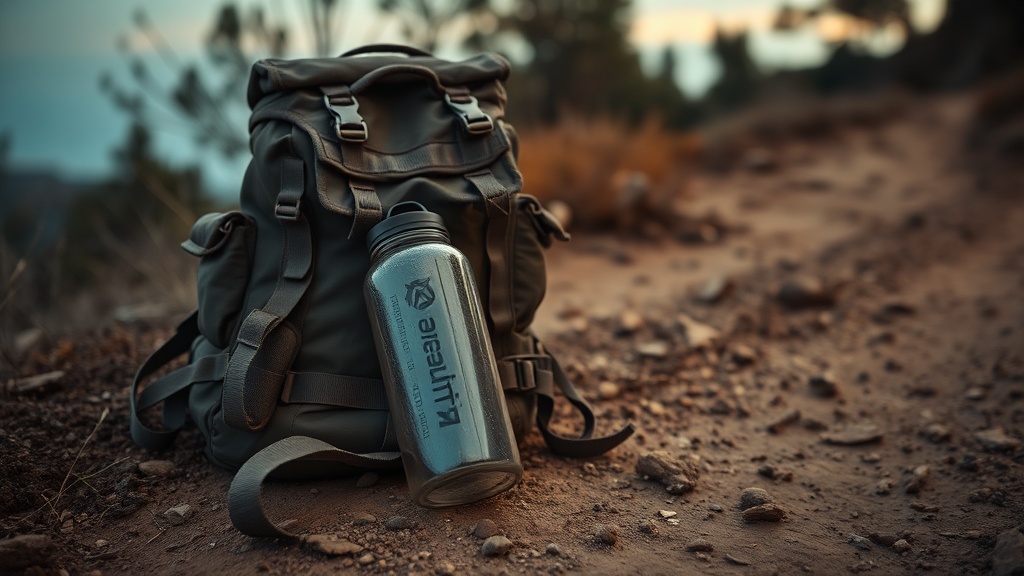
You do not need to drop $200 on a boutique spring fitness boot camp. Instead, focus on knowing if your loaded pack will chafe your shoulders after three hours of movement.
Take advantage of the longer evenings to run a practical test. Load a travel daypack with the actual weight you plan to carry. Add in some extra water weight and go for a 90-minute walk after work. This provides a basic field audit for both your body and your gear. If equipment is going to break, blister, or fail, you want it to happen close to home rather than halfway across the world.
Reusing Existing Gear
Every spring brings a wave of marketing for new sustainable activewear. However, the most eco-friendly workout gear is often the equipment you already own. There is no need to purchase a new wardrobe simply because the weather has warmed up. Your older t-shirts and worn trail runners are perfectly adequate for evening workouts. Use this time to test your existing layers and see what actually holds up to sustained activity.
The Logistics of the Evening Shift
Breaking a comfortable routine takes effort, but the extended daylight shifts the operational logistics of your week. You no longer have to cram your training and gear testing entirely into the weekend.
A Practical Schedule:
- Monday and Wednesday: Map out a 3-mile outdoor route near your house.
- Tuesday and Thursday: Ruck with a loaded pack to test gear limits.
- Friday: Review your week's progress and adjust the load for the following week.
The days are getting longer, offering more flexibility. Get outside, audit your gear, and start prepping for the conditions of the real world.