Spring Closet Cleanout: Sustainable Fashion Tips for a Fresh Wardrobe

Ever stare at a closet that looks more like a landfill than a wardrobe? I’ve been there—packed with fast‑fashion junk that smells like regret. Spring is the perfect excuse to dump the dead weight, but you don’t have to toss everything into the trash. Let’s turn that closet chaos into a lean, green, and genuinely stylish lineup.
Why a Sustainable Closet Matters Now
Textile waste is a silent climate killer. The Ellen MacArthur Foundation reports that 92 million tons of fabric end up in landfills each year, and that number is climbing as cheap “throw‑away” clothes flood the market. As a former logistics coordinator, I’m wired to spot waste in any supply chain—your closet is no different. A tidy, circular wardrobe slashes landfill load, trims your carbon footprint, and saves cash for real adventures.
How Do I Start a Wardrobe Cleanout Without Going Crazy?
First, set a realistic scope. Pick one section—shirts, pants, or accessories—and give it a 30‑minute sprint. No need to overhaul everything in one day; the goal is steady progress, not burnout.
1. Pull Everything Out and Categorize
- Keep: Items you’ve worn in the last 12 months and love.
- Repair: Pieces with minor tears, missing buttons, or faded colors that can be fixed.
- Donate/Resell: Good condition items you haven’t worn in a year.
- Recycle: Fabric that’s beyond repair (look for local textile recycling bins).
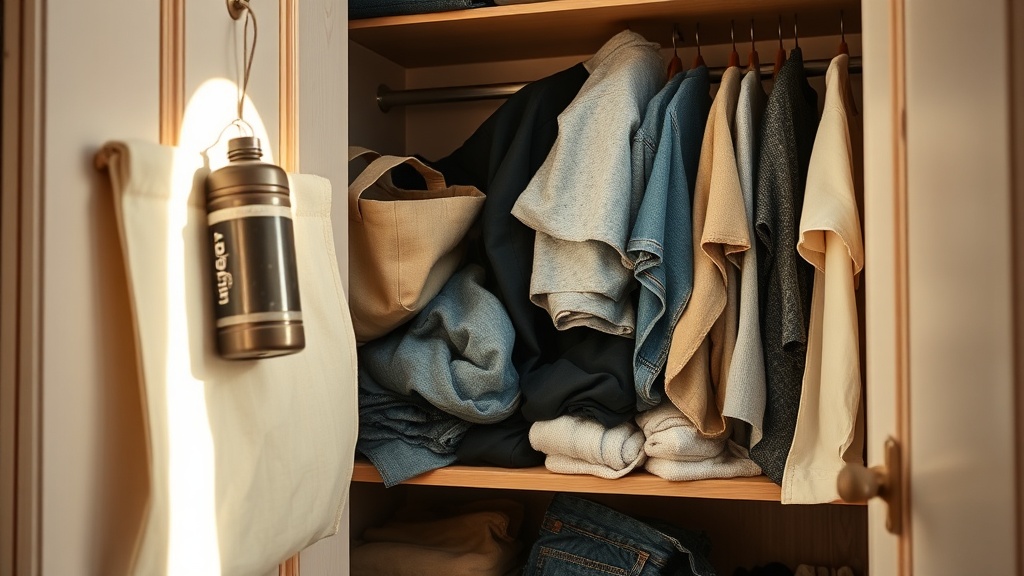
Use reusable cloth bags—my trusty canvas tote is always on standby. It keeps the process low‑waste and makes the next steps feel organized.
2. Repair Before You Toss
Repairing is the ultimate green hack. A simple stitch can extend a garment’s life by years. Here’s a quick cheat‑sheet:
- Thread & Needle: For loose seams or missing buttons. Sewing.org’s quick‑fix guide walks you through a 5‑minute fix.
- Fabric Glue: Ideal for small holes in denim or polyester. Pick a water‑based, non‑toxic brand like TapTapGo (they’re cruelty‑free).
- Upcycle: Turn a tired shirt into a tote or a pillow cover. My favorite hack is turning an old tee into a reusable grocery bag—no sewing required.
3. Swap, Don’t Shop
Clothing swaps are the social version of a repair shop. Organize a “swap‑meet” with friends or join a local Swap.com event. You walk away with fresh pieces and a lighter carbon load. It’s also a great excuse to meet fellow “dirty‑boot travelers” who care about the planet.
4. Donate With a Greenwashing Checklist
Not all charities are created equal. Some claim to “recycle” but end up shredding garments for low‑grade rags. Use my Greenwashing Checklist (see the post on carbon offsetting) to vet the organization. Look for:
- Transparent reporting of where garments go.
- Partners that truly upcycle or resell, not landfill.
- Clear policies on hazardous fabrics (like polyester blends).
5. Recycle Smartly
If a piece is truly beyond repair, find a textile recycling program. Many cities now accept clothing at curbside pickup or have drop‑off points at National Recycling Centers. Check the label—100 % cotton and wool are usually recyclable, while blends can be tricky.
What About New Purchases? Can I Stay Sustainable?
Absolutely. Here’s how to keep the momentum going:
- Buy Secondhand: Thrift stores, online resale platforms, and Depop are treasure troves. Look for quality fabrics—organic cotton, Tencel, or recycled polyester.
- Choose Circular Brands: Companies like Patagonia and Reformation offer take‑back programs and repair services.
- Mind the Materials: Avoid cheap polyester blends. They shed micro‑fibers and have a 200‑year decomposition timeline.
- Track Your Impact: Use the Sustainable Travel Apps (they also have wardrobe carbon calculators) to see how each purchase stacks up.
Quick‑Hit Checklist for Your Spring Closet Cleanout
- Set a 30‑minute timer per clothing category.
- Lay out items and sort into Keep / Repair / Donate / Recycle piles.
- Fix minor issues with a needle, thread, or fabric glue.
- Organize a swap‑meet or post items on a local resale group.
- Donate only to vetted charities (use the Greenwashing Checklist).
- Recycle unusable fabrics at approved drop‑off points.
- Log new purchases in a simple spreadsheet—track brand, material, and carbon estimate.
Takeaway: Turn Your Closet Into a Low‑Impact Power‑Up
Spring isn’t just about fresh air and blooming flowers; it’s a chance to audit your personal supply chain. By pulling, repairing, swapping, and vetting donations, you cut waste, shrink your carbon footprint, and keep more cash for real adventures—whether that’s a bike‑packed trip through the Cascades or a low‑impact stay in a tiny eco‑cabin.
Got a favorite repair hack or a swap‑night story? Drop a comment below, and let’s keep each other honest about the “green” claims we hear every day.