Spring Allergy Survival Logistics: A No-Fluff Guide to Natural Relief

Look, let's be real: April brings warmer weather, but it also brings a pollen load that can wreck a weekend trip. The math isn't in our favor right now—recent data shows a 20% increase in pollen levels thanks to warmer temperatures.
Living off drowsiness-inducing antihistamines for two months isn't a sustainable travel strategy. And we can skip the expensive "wellness" supplements that amount to little more than placebo marketing. Beating allergies comes down to basic physics and mechanical removal.
Here is the breakdown on low-cost allergy logistics that actually work—using simple physical and environmental adjustments.
The Nasal Rinse: Unglamorous but Effective
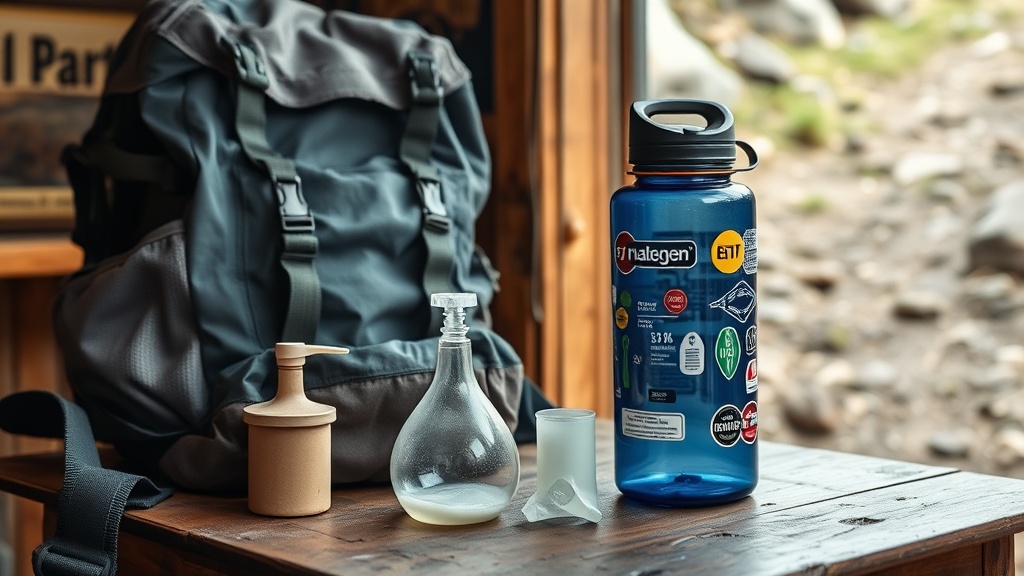
Neti pots and saline sinus rinses won't win any aesthetic awards, but they get the job done for mechanical pollen removal.
Your sinuses act like a filtration system, and occasionally, that filter needs to be flushed. A basic saline wash physically evicts allergens from your nasal passages before your immune system overreacts.
- The Logistics: Use distilled or boiled (and cooled) water—never tap water. This method costs pennies per use and drastically reduces the need for medication.
- On the Trail: A travel-sized squeeze bottle takes up minimal space in a daypack and provides immediate relief after a dusty outdoor excursion.
The Truth About Local Honey and Teas
- The Data on Honey: Let's cut the greenwash: there is zero medical consensus that local honey cures allergies. The pollen in honey comes from heavy, insect-pollinated flowers, not the lightweight, wind-blown pollen that triggers your symptoms. Still, buying it supports local beekeepers and regional economies, so the purchase math checks out—just don't expect it to fix your sinuses.
- Herbal Teas: You will see claims that nettle or peppermint teas act as natural antihistamines. They don't. But packing bags of organic peppermint tea is still a low-cost, hydrating way to physically clear mucus and soothe a scratchy throat. It is about hydration, not pharmacology.
Indoor Air Quality: The Home Base Audit
A home or travel accommodation should serve as a zero-pollen sanctuary. Clean air does not require an expensive "smart" purifier.
- The DIY Air Scrubber: Attaching a MERV 13 furnace filter to a standard box fan creates a solid, budget-friendly air scrubber. Let's be clear: a MERV 13 filter doesn't achieve the 99.97% single-pass efficiency of a true HEPA filter. But by continuously circulating the room's air, it captures enough airborne pollen to significantly reduce the particulate load, all without the boutique price tag.
- Window Logistics: Keep windows closed during peak pollen hours—which usually hit between 5:00 a.m. and 10:00 a.m., especially on dry, windy mornings. Rely on your fan-filter combo to scrub the indoor air instead.
The Wardrobe Decontamination Protocol
Pollen travels easily on fabrics. Once you return from a hike, your clothing is essentially covered in the stuff.
- The Rule: Remove outerwear immediately at the door. Do not sit on the furniture or get into bed wearing your trail clothes.
- Shower Strategy: Take a quick, cool shower before hitting the pillow to physically wash the day's pollen out of your hair. Keep your sleep environment a pollen-free zone.
Ultimately, allergies are just another logistical hurdle. You don't need to buy into expensive "wellness" marketing to survive spring—just rely on basic physics, stay hydrated, and keep the outdoors from taking over your base camp.
You Might Also Enjoy
- Spring Closet Cleanout: Sustainable Fashion Tips for a Fresh Wardrobe
- Spring Outdoor Fitness: Move Your Gym Routine to the Park