Spring Allergy Survival Guide: Tips for Enjoying Outdoor Activities Without the Sniffles

Spring weather brings ideal conditions for outdoor recreation, but it also brings a surge in pollen counts that can make park visits and spring picnics uncomfortable. While expensive, specialized allergy products flood the market this time of year, simple timing and strategic preparation are far more effective at minimizing symptoms.
Here is a practical breakdown for managing outdoor activities during allergy season without relying on expensive remedies.
1. Timing the Pollen Count
Pollen concentrations follow a predictable daily pattern. Counts typically peak in the morning, specifically between 5 AM and 10 AM, and are highest on dry, windy days.
For those planning a trail run or a park visit, scheduling the activity for late afternoon or early evening significantly reduces exposure. Additionally, heading outdoors shortly after heavy rain is ideal, as the precipitation effectively washes pollen out of the air. This simple scheduling adjustment requires no extra equipment or cost.
2. Strategic Gear Use
Effective pollen defense relies on physical barriers rather than specialized apparel. The most effective gear is likely already in a standard closet.
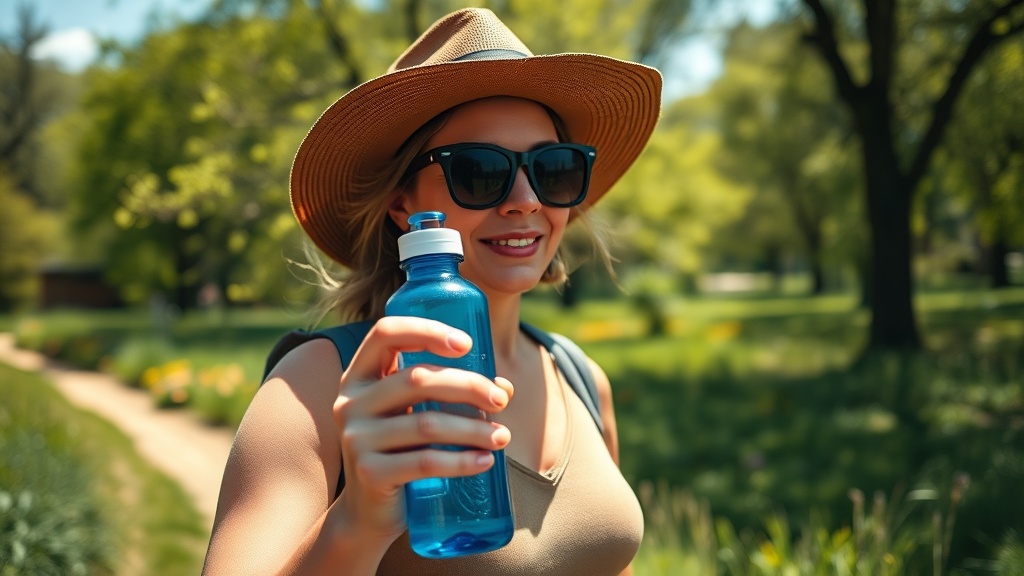
- Sunglasses: Wrap-around sunglasses act as a physical shield, preventing allergens from blowing directly into the eyes. Standard cycling or sports sunglasses work perfectly well; there is no need to purchase premium allergy-specific eyewear.
- Hats: Wearing a brimmed hat prevents pollen from settling in hair, which stops it from transferring to pillows and bedding later.
- Hydration: Drinking plenty of water thins out mucus, aiding the body's natural defense mechanisms. Carrying a large water bottle and hydrating consistently throughout the activity is a basic but essential step for maintaining a healthier lifestyle.
3. Evaluating Natural Remedies
Many over-the-counter allergy solutions rely heavily on marketing rather than efficacy. When evaluating symptom relief, cost-effectiveness is key:
- Local honey: While often promoted as a preventative measure, the pollen in honey typically comes from flowers. Seasonal allergies are most commonly triggered by tree and grass pollen, making honey an ineffective strategy for this specific issue.
- Saline rinses: A simple neti pot or generic saline spray physically flushes pollen debris from the nasal passages. It is inexpensive, highly effective, and avoids the high markup of branded anti-allergy balms that rely on ingredients like petroleum jelly and eucalyptus.
4. Post-Activity Decontamination
Preventing outdoor allergens from contaminating indoor living spaces is the final step in an allergy management strategy, and an important part of your overall spring cleaning routine.
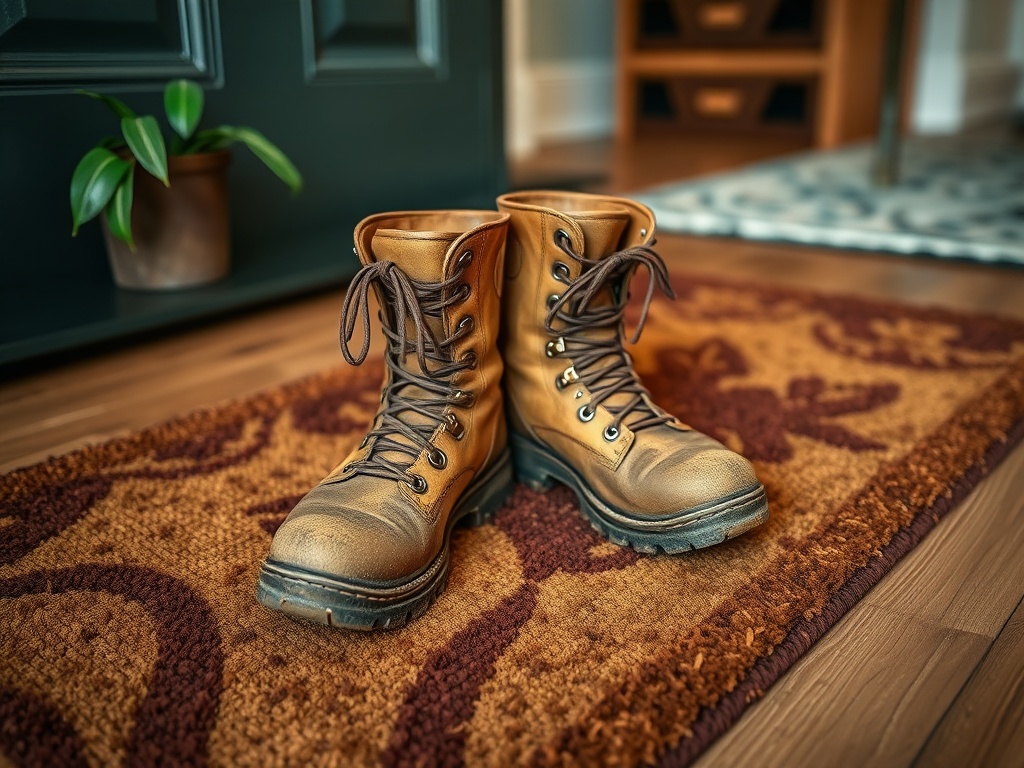
- Remove shoes at the door: Hiking boots and running shoes track microscopic pollen grains directly into the home. Leaving them at the entryway contains the spread.
- Shower immediately: Washing hair and skin right after returning removes accumulated pollen. Skipping this step means transferring allergens to furniture and breathing them in overnight.
- Wash outdoor clothing: Outerwear, such as fleece jackets or hiking pants, should go straight into the laundry. Re-wearing gear without washing it guarantees secondary exposure the next day.
Conclusion
Managing outdoor allergies is about controlling exposure rather than attempting to change the environment. By scheduling activities strategically, using basic physical barriers, and following a strict post-activity cleaning routine, it is entirely possible to enjoy spring trails while keeping symptoms manageable.