Spring Allergy Relief: The Data-Backed Guide to Pollen Season

Look, let's be real, dirty-boot travelers... you can't hit the switchbacks or audit a local supply chain if you're barely breathing through a cloud of spring pollen. Recent data shows pollen counts are up 20% above average this season. That means even those of us who usually shrug off seasonal allergies are waking up feeling like we slept in a dusty shipping container.
I’m all for pushing through discomfort on the trail, but suffering at your home base is just bad logistics. You need your downtime to actually be recovery. And before you start buying into "healing crystal salt lamps" or whatever the eco-chic wellness influencers are selling this week (vibe check: it's usually overpriced garbage), let’s look at the actionable, evidence-based home adjustments that actually work.
The math has to check out before I recommend anything. Here is the pragmatic breakdown of natural remedies and home adjustments to help you breathe easy this spring.
Audit Your Air Supply
The first step in any field op is securing your perimeter. Right now, your perimeter is leaking pollen.
[callout]
Greenwashing Alert: Don't fall for "HEPA-type" or "HEPA-like" marketing fluff when buying air purifiers. You want a true HEPA filter that captures 99.97% of particles. The energy draw is minimal, so the carbon math doesn't add up to a guilt trip.
[/callout]
Window Management
I love fresh air as much as anyone, but when pollen counts spike, those windows need to stay shut. Open them after a heavy rain when the air is actually washed clean. Otherwise, you're just inviting the enemy inside.
The Hydration Protocol
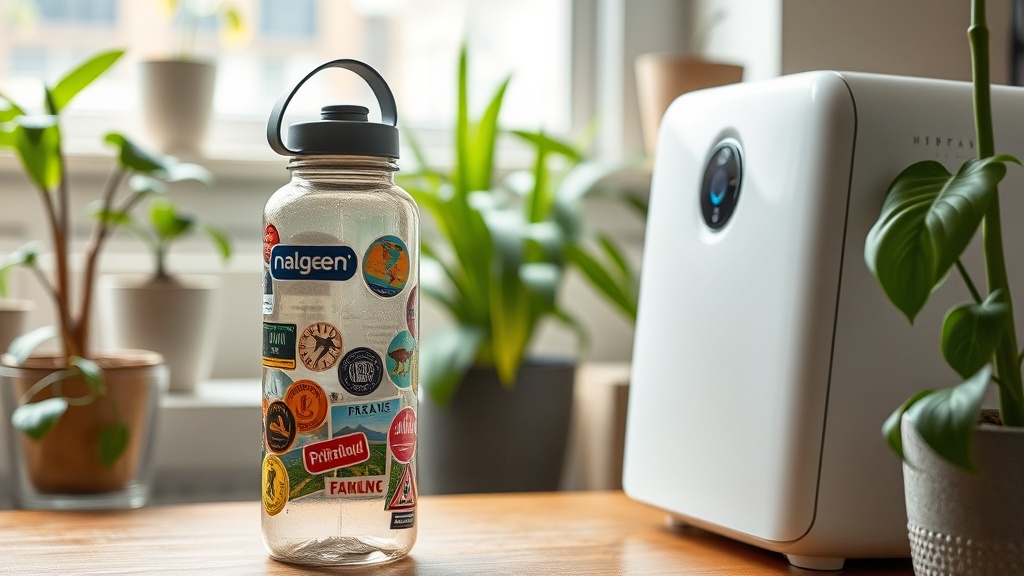
You know I’m going to mention "The Tank." My battered 32oz Nalgene isn't just for trail hydration; it’s an essential allergy defense tool.
When you're dealing with histamines, staying aggressively hydrated thins out mucus and keeps your system flushing out irritants. Water is the cheapest, most effective natural remedy on the market. Keep your bottle full and drink before you feel thirsty.
Decontaminate the Gear
We talk a lot about gear maintenance, but right now, your clothes are pollen traps.
The Drop Zone
Create a hard boundary at your front door. Do not wear your trail shoes or your outdoor jacket into your living space. Set up a drop zone where contaminated gear stays.
Hot Washes
Pollen is sticky. Wash your sheets, pillowcases, and trail clothes in hot water weekly. Cold water washes are great for saving energy 90% of the time, but during peak allergy season, a hot wash is a necessary trade-off for your health.
Pragmatic Natural Remedies
I’m deeply suspicious of most "miracle" cures, but a few low-fi remedies hold up to scrutiny.
Saline Rinses
A basic Neti pot or saline squeeze bottle is just a mechanical flush for your sinuses. It physically removes the pollen. It’s cheap, it involves zero single-use plastics if you buy bulk non-iodized salt, and the math checks out completely.
Local Honey (With a Caveat)
There’s some anecdotal evidence that consuming local raw honey helps build tolerance to local pollen. The scientific data is mixed, but supporting local apiaries supports local economies and ecosystems. It's a low-risk, high-reward strategy (and a great excuse to visit a farmers market).
Look, managing spring allergies isn't about achieving a sterile environment. It's about practical harm-reduction so you can get back outside. Audit your home base, hydrate, and save your suffering for a steep incline, not your living room.