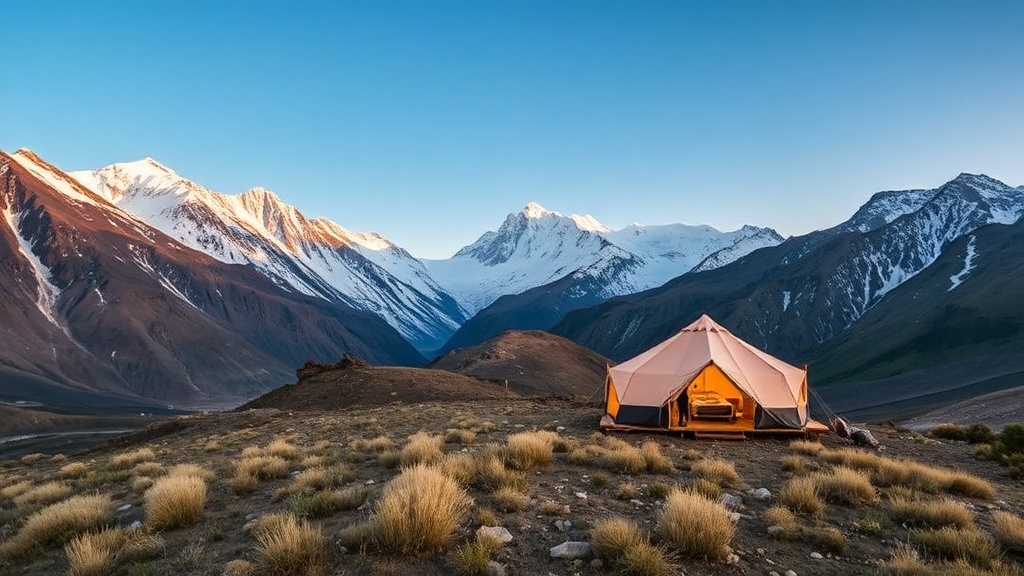
Real Low-Impact Trekking in the High Andes: Beyond the Luxury Glamping Myth

Most people think high-altitude trekking requires a massive support crew, dozens of porters, and a string of high-end eco-lodges to be "sustainable." They assume that if you aren't paying a premium for a luxury experience, you're doing it wrong. That's a lie. The truth is that the most significant environmental impact in the Andes doesn't come from the lack of luxury; it comes from the massive logistical footprint of the "luxury adventure" industry. High-end trekking often relies on heavy, single-use gear, massive amounts of imported food, and a supply chain that leaves a trail of waste from the coast to the peaks.
This guide breaks down how to trek the Andean trails—specifically in regions like Peru and Bolivia—without relying on the heavy-footprint models that marketing teams sell you. We're looking at the actual mechanics of a low-impact trek: the gear, the food, and the waste management. If you want to see the mountains without contributing to their degradation, you need to audit your own kit and your expectations before you even book a flight.
Can You Actually Trek the Andes Without Using Single-Use Plastics?
The biggest culprit in high-altitude trekking is the sheer volume of plastic waste. Even the most "eco-friendly" operators often rely on pre-packaged snacks, bottled water, and single-use condiment packets to keep things efficient. This is where the system fails. To do this right, you have to bring your own supply chain.
Instead of buying packaged energy bars that end up in a high-altitude trash heap, buy bulk ingredients and prepare your own fuel. A lightweight, reusable dry bag for your food is better than a dozen plastic wrappers. For hydration, skip the bottled water. Use a high-quality water filter or purification tablets. The CDC guidelines on water safety are a good place to start understanding why filtration is better than constant buying. A durable, stainless steel or titanium bottle is a one-time investment that pays for itself after three trips.
- Invest in a high-capacity filtration system: Don't rely on local water sources being "clean" just because they look clear.
- Avoid pre-packaged snacks: Bring nuts, dried fruits, and grains in reusable silicone bags.
- Ditch the single-use cutlery: A single set of bamboo or metal utensils stays in your pack for a decade.
How Much Does Sustainable Trekking Actually Cost?
There is a misconception that "sustainable" means "expensive." In reality, the most sustainable way to travel is often the most budget-friendly, provided you do the heavy lifting yourself. When you strip away the luxury glamping tents and the catered meals, you're left with the raw cost of movement and basic shelter. If you're willing to carry a bit more weight in your pack, your costs drop significantly.
A standard trekking itinerary through the Andes can be broken down into three main cost pillars: transport, local guides, and gear. Instead of booking through a massive international agency that takes a massive cut, look for local, community-led cooperatives. These groups often have a much lower overhead and keep the money within the local economy. This isn't just about being kind; it's about the efficiency of the money staying where it's actually used. For example, hiring a local guide from a nearby village reduces the carbon footprint of transporting staff from a major city and ensures your money supports the people who actually live in these mountains.
A quick breakdown of the budget-friendly vs. luxury model:
| Expense Category | The "Eco-Luxury" Model | The Real Low-Impact Model |
|---|---|---|
| Accommodation | High-end Eco-Lodges | Local Guesthouses/Homestays |
| Food | Imported/Packaged Meals | Local, Seasonal, Bulk-Bought |
| Gear | New, High-Tech Rental | Used, Durable, Long-term Ownership |
What Kind of Gear Survives High-Altitude Environments?
One of the biggest mistakes travelers make is buying "fast" outdoor gear. You see a sale, you buy a cheap tent or a synthetic jacket, and two seasons later, it's in a landfill. In the Andes, the weather is brutal. It's not just about the cold; it's about the UV intensity and the wind. You need gear that is built to last, not gear that is built to be replaced. This is a fundamental principle of a circular economy in travel.
When auditing your gear, look for the "repairability" factor. Can you patch the down jacket if it rips? Can you replace the zipper? Brands that offer lifetime repairs are far better for the planet than brands that offer a cheap replacement. If you're buying second-hand, you're already winning. A high-quality, used backpack from a reputable brand is better for your wallet and the Earth than a cheap, new one. Check sites like REI Co-op Used Gear for high-quality items that have already lived a life and are ready for another.
Don't forget about your footwear. A pair of heavy-duty, waterproof boots is your most important piece of equipment. If they fail you at 4,000 meters, your trek is over. Rather than buying a new pair every year, invest in a pair that can be resoled. This is a small detail that makes a massive difference in your long-term footprint.
The Reality of the "Leave No Trace" Principle in Remote Areas
Many people think they are following the rules by just not leaving trash. But in high-altitude environments, the ecosystem is incredibly fragile. Even human waste can be a problem if it's not handled correctly. If you're trekking in areas without established facilities, you need to be prepared to carry out everything you carry in—including your own waste. This sounds intense, but it's the only way to ensure these trails remain pristine for the next person.
The goal is to minimize your presence. This means being intentional about every single item you bring into the mountains. If you don't absolutely need it, leave it at home. If you bring it, make sure you have a plan to get it back out to a proper recycling or waste facility in a major city. The mountains are not a trash can, no matter how remote they feel.
Ultimately, the most successful trekker is the one who realizes that the environment isn't a playground—it's a delicate system. By focusing on local economies, durable gear, and a minimalist approach to supplies, you can experience the Andes without the guilt of the heavy footprint. It's not about how much you spend; it's about how much you respect the ground you're walking on.