Outdoor Living: 5 Ways to Create a Pollinator-Friendly Garden This Spring

The data on urban bee populations isn't looking great. Recent studies highlight a sharp decline in these essential workers, and city initiatives are increasingly leaning on residents to help bridge the gap. But building a pollinator habitat doesn't require a master's degree in botany or a massive landscaping budget.
Whether you're working with a sprawling suburban lawn or a cramped apartment balcony, you can make a tangible impact right now. Spring is the optimal window to introduce bee-friendly plants and establish a baseline for biodiversity in your own outdoor living space.
Here are five low-cost, actionable steps you can execute this weekend to create a thriving pollinator-friendly garden.
1. Rethink the Perfect Lawn (and Leave the Dandelions)
The obsession with a manicured, emerald-green monoculture is actively hostile to local ecosystems. You don't have to tear up your entire yard, but you do need to relax the mowing schedule.
The Action: Participate in "No Mow May" (or start right now). Allow native "weeds" like dandelions and clover to bloom. These are often the first, most crucial food sources for emerging bees when other spring gardening staples haven't yet flowered. If you must mow, raise the blade height to let low-lying clovers survive.
2. Plant in Strategic, Color-Coded Clusters
Pollinators are efficient foragers; they don't want to fly across your entire yard to find the next meal. They also have color preferences. Bees are particularly drawn to blue, purple, white, and yellow flowers.
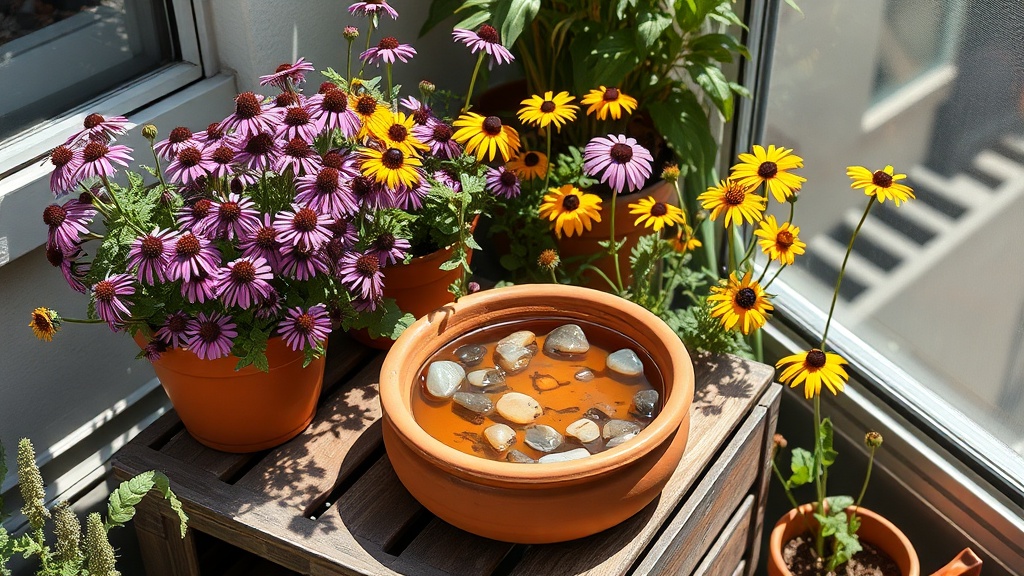
The Action: Group your bee-friendly plants in clusters of at least three feet by three feet, if space permits. A concentrated target of native wildflowers, lavender, or echinacea is much easier for a passing butterfly to spot than a single, isolated potted plant. If you only have a balcony, pack your containers densely.
3. Opt for Native, Single-Bloom Varieties
The local insect population evolved alongside local flora. Exotic, highly hybridized flowers might look stunning on Instagram, but they often lack accessible pollen or nectar. "Double-bloom" varieties, in particular, are essentially useless to pollinators because the extra petals block access to the flower's center.
The Action: Audit your local nursery for native species. Prioritize single-bloom flowers like sunflowers, black-eyed Susans, and native milkweed (the only food source for monarch caterpillars). Native plants also have the logistical advantage of requiring less water and fertilizer since they are already adapted to your climate.
4. Build a Zero-Cost Bee Bath
Pollinators get thirsty, especially as spring temperatures climb into summer. However, traditional birdbaths are too deep—bees will easily drown in them. They need a shallow, safe place to land and hydrate.
The Action: Grab a shallow dish, pie pan, or plant saucer. Fill it with a layer of flat stones, marbles, or sea glass. Add just enough water so the tops of the stones remain dry, providing a safe landing pad. Place it in a quiet, sunny spot in your garden and refresh the water every few days to prevent mosquitoes.
5. Ditch the Broad-Spectrum Pesticides
This should be obvious, but it bears repeating: you cannot cultivate biodiversity while simultaneously spraying chemicals designed to kill insects. Broad-spectrum pesticides do not discriminate between the aphids eating your roses and the bumblebees trying to pollinate them.
The Action: Transition to organic, targeted pest management. If you have an infestation, try insecticidal soap or neem oil, and apply it strictly in the late evening when bees are no longer actively foraging. Better yet, let nature do the work—attracting predatory insects like ladybugs and lacewings will naturally keep pest populations in check.
The Bottom Line
Creating a pollinator garden is one of the highest-ROI environmental actions you can take at home. It’s a direct, measurable contribution to urban biodiversity that costs next to nothing. By making these five straightforward adjustments this weekend, you’re not just upgrading your outdoor living space—you’re actively sustaining the local ecosystem.