NYU's Urban Gardening Initiative: A Pragmatic Field Audit

Look, let's be real... when you think of New York City, you don't exactly picture a thriving ecosystem. It's mostly concrete, scaffolding, and people walking too fast. So when I heard about the urban gardening push at NYU while passing through Manhattan on a recent audit, my BS-meter immediately spiked.
Is this just another case of "eco-chic" posturing? You know the type: a few sad succulents in a dorm window, a heavy filter for Instagram, and a university press release patting themselves on the back for their "sustainability" efforts.
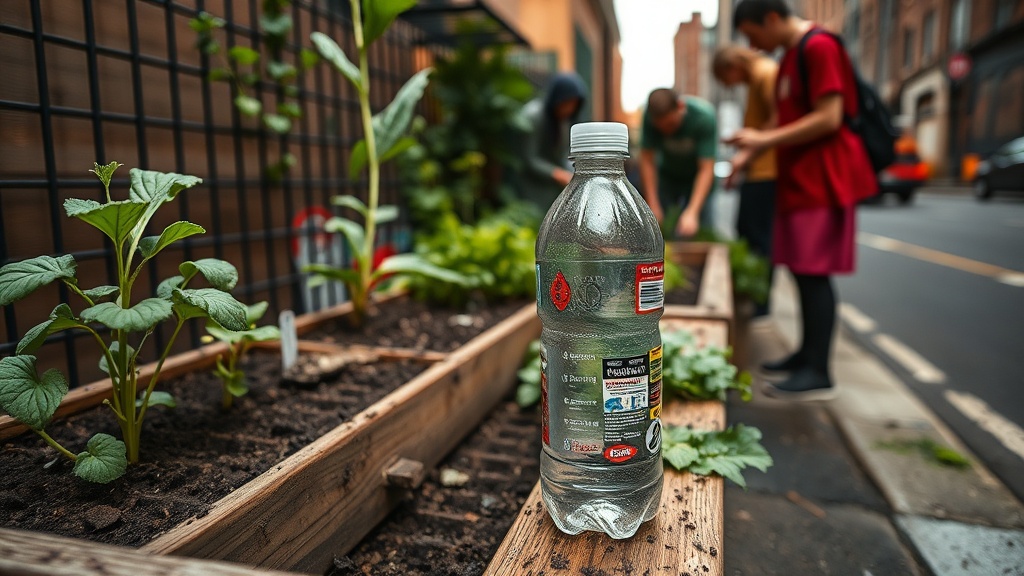
I decided to grab The Tank (my battered 32oz Nalgene, naturally) and head down to Houston Street to run a proper field audit on what these students are actually doing this Spring 2026.
The Math Checks Out: Beyond the PR Fluff
If you've read my Pragmatic Guide to Community Tree Planting, you know I have zero patience for performative sustainability. Planting a single sapling for a photo op doesn't fix our climate.
But down at the NYU Urban Farm Lab, the vibe check is entirely different. This isn't just window dressing. They are running a hands-on, dirt-under-the-fingernails operation right next to commuter traffic. The Community Agriculture Project is teaching students the actual logistics of growing food from seed to harvest in hyper-restricted spaces.
Here is what impressed me:
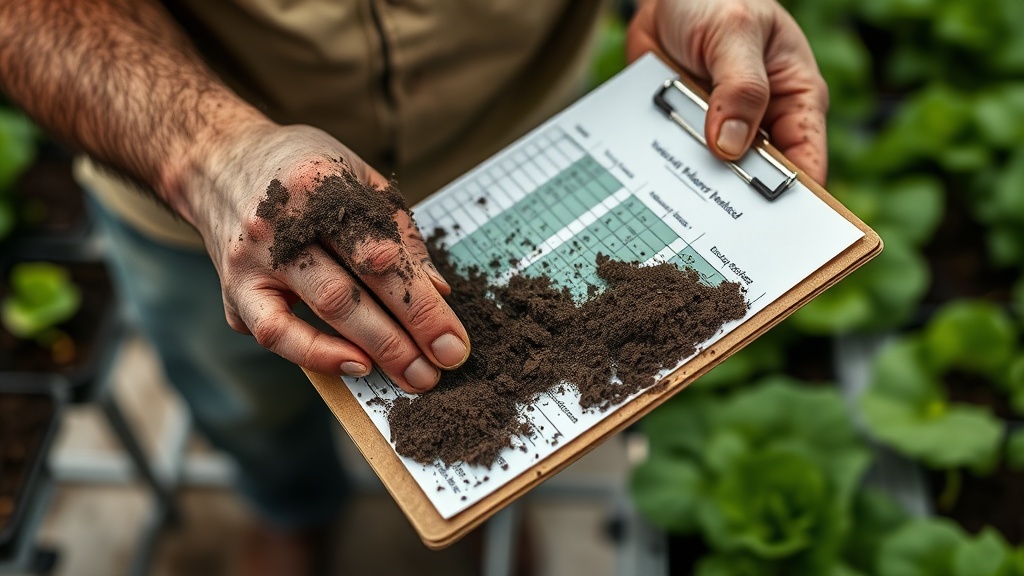
- Yield Tracking Over Aesthetics: They aren't growing ornamental flowers; they're experimenting with real crop yields in an urban environment. They are treating the soil like a data set.
- Space Optimization: Urban gardening requires intense logistical planning. They are maximizing vertical space and testing sustainable water practices (which is crucial when your "farm" is surrounded by asphalt).
- No Guilt Trips: There’s no performative shaming here. Just students figuring out the pragmatic middle ground of growing food when you don't have acres of arable land.
The Trade-Offs of Urban Agriculture
Let's not pretend a small farm lab on Houston Street is going to replace the global agricultural supply chain. Travel and food both involve trade-offs. The soil has to be tested heavily (urban dirt isn't exactly pristine—a word I hate, by the way), and the scale is inherently limited.
But as far as student initiatives go, this is the kind of harm-reduction and education that actually scales over time. When these students graduate, they aren't just taking away a vague concept of environmentalism. They are taking away the hard logistical knowledge of how to keep plants alive, manage resources, and navigate the unglamorous realities of food production.
The Final Audit
So, is NYU's urban gardening initiative worth the hype this spring?
Yeah, the math actually checks out.
It’s gritty, it’s educational, and it cuts straight through the greenwashing to deliver something real. If you're a dirty-boot traveler passing through NYC, or just someone looking to start your own urban plot, take notes. Progress over perfection, always.