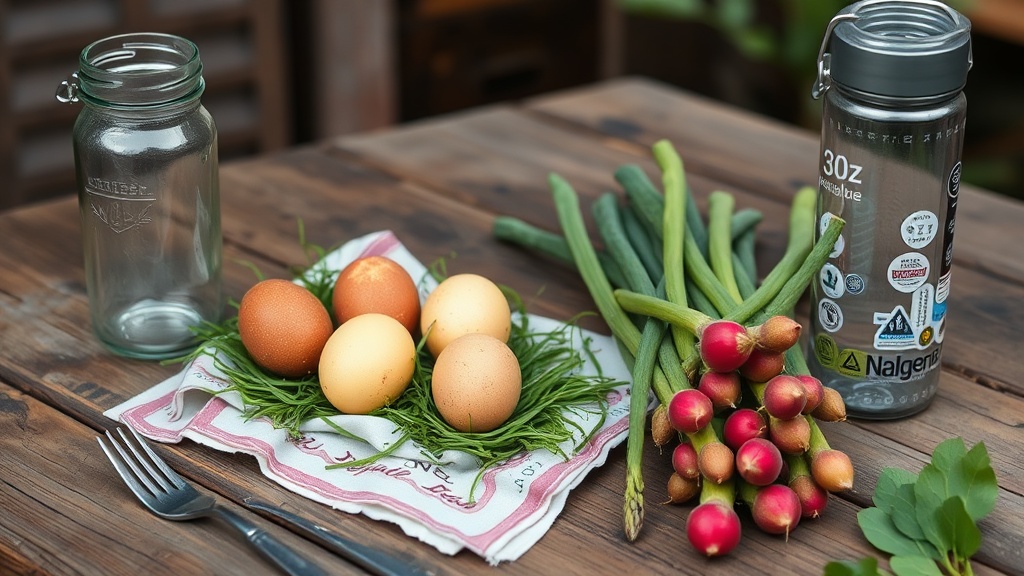
Logistics Audit: The Real Math of a Sustainable Easter in 2026

Look, let's be real. The minute spring hits, the aisles of every big-box store are flooded with pastel-colored, single-use plastics masquerading as "essential" holiday cheer. You've seen it: plastic grass that ends up in local watersheds, hollow plastic eggs that shatter after one use, and baskets wrapped in layers of unrecyclable cellophane.
If you are trying to host a gathering this spring without turning your living room into a landfill, the math of traditional Easter celebrations simply doesn't add up.
I am not here to tell you to cancel your spring brunch or to shame anyone for buying a chocolate bunny. Travel, life, and holidays all involve trade-offs. But if you're looking to plan a low-impact gathering, we need to treat it like any other logistical operation: audit the supply chain, cut the fluff, and focus on what actually works.
Here is your Greenwash Audit for an actually eco-friendly Easter in 2026.
The Plastic Grass Problem (And the Fix)
Let's start with the most offensive offender: plastic Easter grass. It is a logistical nightmare to clean up, pets inevitably eat it, and it never decomposes. The math on this is terrible.
The pragmatic fix: If you actually need padding for baskets, use shredded paper from your recycling bin, or better yet, skip it entirely. You know what works just fine as a basket liner? A cloth napkin or a reusable bandana. No guilt trips, just better logistics.
The Egg Supply Chain
Dyeing eggs? Vibe check: the little plastic dye kits are mostly unnecessary packaging and a classic example of cost-saving masquerading as convenience.
The pragmatic fix: You already have what you need in your kitchen. Red onion skins, turmeric, and coffee grounds (which I always have plenty of on hand) create natural dyes that don't require an extra trip to the store or a clamshell plastic package. And when you're done, the shells can go straight into the compost bin.

The Decor Audit
Most "eco-chic" decor I see marketed online is just cheap junk rebranded with a brown paper tag to look rustic. It's performative sustainability, and I have zero patience for it.
The pragmatic fix: Use what's actually outside. Spring branches or real flowers are the move here. Support your local economy and buy from a local grower, not a massive grocery chain with a murky international supply chain. Better yet, let your food double as a centerpiece. If you need table decor, let it be the roasted vegetables you're actually going to eat.
Food Logistics: Keep it Local
I am heavily suspicious of any holiday meal plan that requires out-of-season produce shipped halfway across the world.
The pragmatic fix: Plan your menu around what's available at your local farmers market right now. Grab your reusable bags, bring a reusable water bottle, and see what's in season. Asparagus, radishes, early greens—the carbon footprint of your meal shrinks massively when you aren't flying a tomato in from another hemisphere.
Hosting a sustainable holiday doesn't mean sitting in an empty room eating raw carrots. It just means being radically honest about where our stuff comes from and where it goes when we're done. Let's make the math check out this spring.