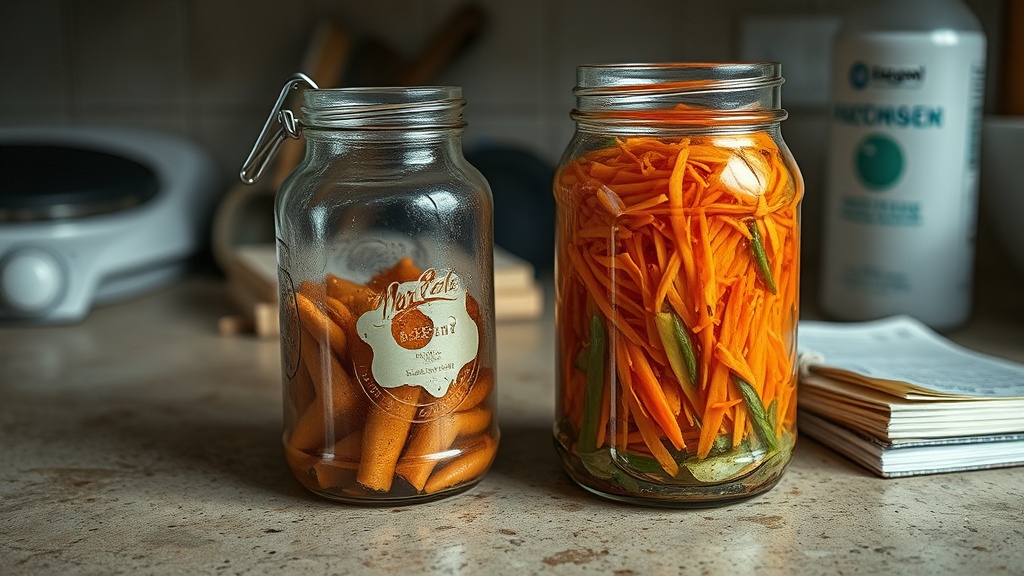
How to Make Scrap-Fermented Carrot Ginger Kraut

Fermenting vegetables at home is a practical and cost-effective way to create probiotic-rich foods. Instead of purchasing premium fermented products, utilizing vegetable scraps provides a straightforward method to reduce kitchen waste while producing a versatile condiment.
Fermentation offers an efficient way to convert vegetable scraps that might otherwise be composted into a flavorful addition to meals. It is a simple process that requires minimal equipment.
The process does not require specialized fermentation crocks or starter cultures. Using basic ingredients like leftover carrot peels, ends of ginger root, and salt, time and environmental conditions facilitate the transformation.
The Process of Fermentation
Fermentation relies on creating a saline environment where beneficial bacteria, such as Lactobacillus, can thrive while inhibiting harmful bacteria. This controlled process can be easily managed in a standard kitchen setting.
The Required Gear:
- A glass jar: A clean, recycled glass jar is suitable.
- A weight: A glass fermentation weight, a small food-safe ceramic dish, or a smaller zip-top bag filled with brine can be used to hold the vegetables under the liquid line.
- The Raw Materials:
- 3 cups of carrot scraps (peels, ends, and shredded pieces)
- 2 tablespoons of grated ginger (scrubbed, skin on is acceptable)
- 1 tablespoon of non-iodized salt (sea salt or kosher)
- Filtered water (heavily chlorinated tap water may inhibit bacterial growth)
Step-by-Step Execution
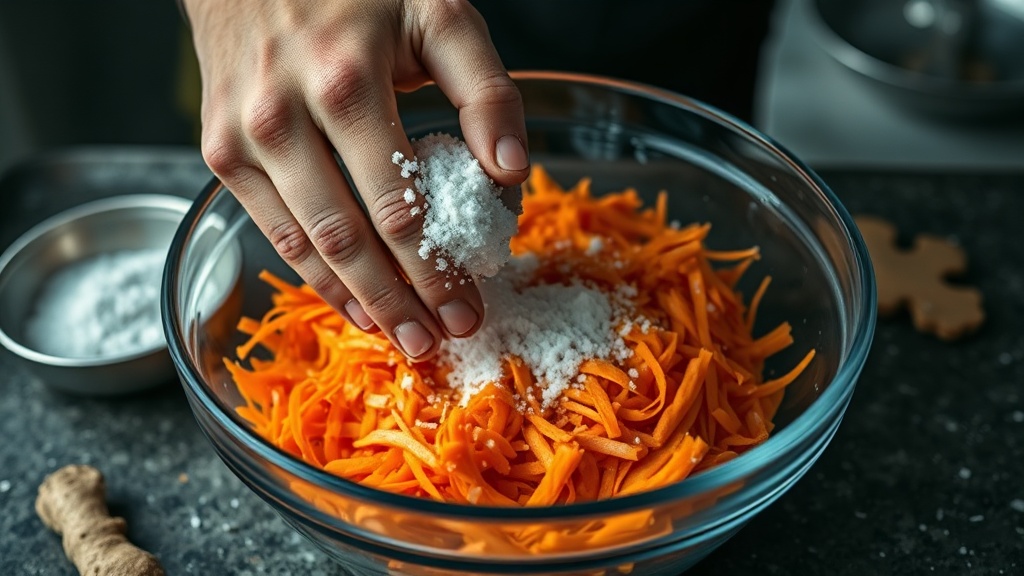
- Prep the Materials: Place the carrot scraps and ginger into a large bowl.
- The Salt Application: Sprinkle the salt over the vegetables. Massage the salt into the scraps firmly until they begin to release liquid. Allow the mixture to sit for 15 minutes to draw more water from the vegetables.
- Pack the Container: Transfer the mixture into the glass jar, pressing it down firmly to eliminate air pockets. The liquid released from the carrots should rise above the solid matter.
- Submerge: If the natural liquid is insufficient to cover the carrots, mix a supplemental brine (1 teaspoon of salt to 1 cup of water) and add it to the jar. Ensuring the vegetables remain completely submerged is critical to the process.
- Weigh it Down: Place the chosen weight on top to keep the organic matter under the brine.
- Fermentation Period: Loosely cap the jar to allow gases to escape, and store it out of direct sunlight for 5 to 7 days.
Quality Control
Monitor the jar daily. The appearance of tiny bubbles indicates active fermentation. Any surface scum can be carefully scooped off. The mixture should develop a distinctly sour aroma.
After approximately a week, check the flavor. A sharp, tangy taste indicates the fermentation is complete. At this point, secure the lid tightly and transfer the jar to the refrigerator to halt the fermentation process.
Scrap-fermented carrot ginger kraut serves as a versatile condiment that helps reduce food waste. It can be added to egg dishes, grain bowls, or consumed on its own, providing a simple method to incorporate fermented foods into a regular diet.