Greenwash Audit: The Truth About 'Biodegradable' Camping Soap

Look, let's be real: one of the most persistent, frustrating myths in the outdoor industry is the idea that "biodegradable" camping soap gives you a free pass to wash yourself, your dishes, or your clothes directly in a pristine alpine lake.
It doesn't. And the marketing departments that slap a picture of a waterfall on a bottle of "eco-friendly" suds know exactly what they are doing. It's performative sustainability at its worst, and today, we're auditing the logistics of backcountry hygiene.
The "Biodegradable" Marketing Fluff
Walk into any outdoor retailer right now, and you'll see endcaps full of tiny, expensive bottles of biodegradable soap. The branding screams "natural," "Earth-safe," and "Leave No Trace."
But here is the math the labels gloss over: "Biodegradable" does not mean "aquatic-safe."
Biodegradable simply means that a substance can be broken down by bacteria and other living organisms. What the marketing fails to mention is where that breakdown happens. These soaps are designed to break down in soil, where there is an abundance of the specific bacteria needed to do the job. They do not break down quickly or safely in water.
The Reality of Soap in a Stream
When you use even the most natural, organic, fair-trade Castile soap in a river or lake, you're introducing a surfactant into the ecosystem.
Surfactants lower the surface tension of water. This might seem like a minor chemical detail, but for aquatic life, it's catastrophic. It strips the natural oils off fish gills, making it harder for them to breathe. It destroys the surface tension that water striders and other insects rely on to move. It causes algae blooms.
In short: The math doesn't add up. If everyone with a bottle of biodegradable soap washes in the same popular backcountry stream, that stream's ecosystem will collapse, no matter how "natural" the ingredients are.
How to Actually Wash Up (The Pragmatic Way)
So, how do you handle hygiene when you're three days deep in the backcountry? It's simple, but it requires actual effort rather than relying on a magic bottle of soap.
- The 200-Foot Rule is Non-Negotiable: If you must use soap (for dishes or yourself), carry your water at least 200 feet (about 70 big steps) away from any lake, stream, or water source.
- Wash in the Dirt: Do your washing over soil. The bacteria in the soil will break down the biodegradable soap as intended, acting as a natural filter before the wastewater eventually trickles back into the water table.
- Use Scarcely: You need a fraction of the soap you think you do. Two drops of Dr. Bronner's or Campsuds is enough to wash a pot.
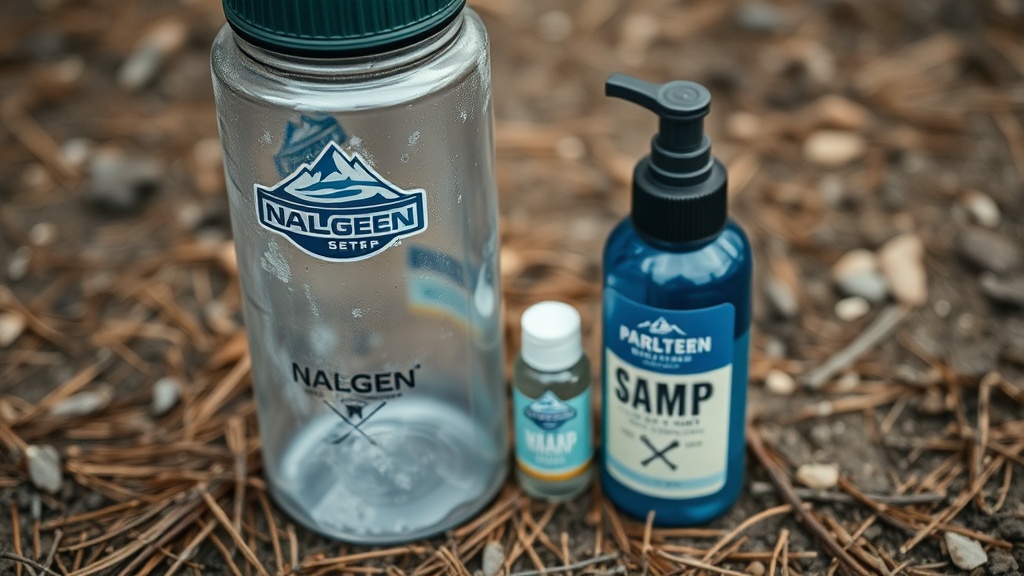
- Embrace the Dirt: The most sustainable choice is often the simplest. For a weekend trip, just use water and a microfiber cloth. Skip the soap entirely. Your immune system can handle a little dirt. (My Nalgene, "The Tank," hasn't seen soap on a weekend trip in a decade).
The Verdict
Stop falling for the "eco-chic" marketing that implies you can bathe in a waterfall like a shampoo commercial. Buy a heavy-duty, concentrated soap (like Dr. Bronner's), use it sparingly, and always, always dump your gray water in the dirt.
Adventure more, footprint less. And stop putting soap in the damn lakes.