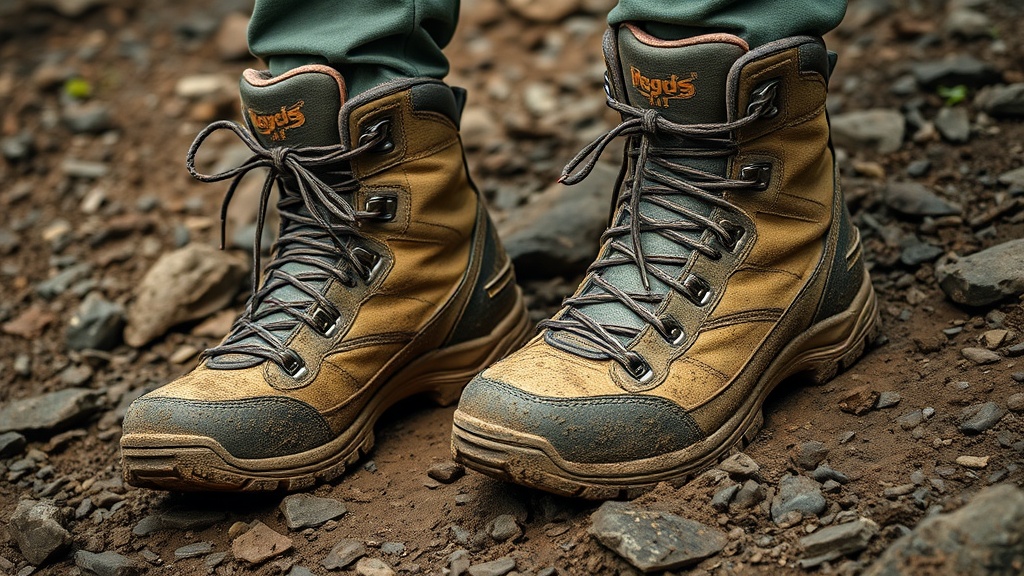
Greenwash Audit: Testing 3 'Sustainable' Hiking Boots to Failure

Look, let’s be real. If I have to read one more press release about "ocean plastic laces" on a boot that falls apart after 50 miles, I’m going to lose my mind.
Spring 2026 is here, and your inbox is probably already filling up with eco-chic marketing for the upcoming hiking season. It’s an exploding lifestyle topic: everyone wants to buy sustainable outdoor gear. But the dirty secret of the outdoor industry? The most sustainable boot is the one you don't have to throw away.
In light of the EU's 2026 Greenwashing Ban, which is finally cracking down on unsubstantiated eco-claims, I decided to do a BS-free audit of three popular "sustainable" hiking boot brands. We’re not looking at aesthetics. We’re looking at the math: durability, repairability, and whether those "lifetime guarantees" actually hold up in the field.
The Methodology
This isn't a glossy unboxing video. I took three leading "eco-friendly" boots (Brand A, Brand B, and Brand C) and subjected them to the kind of abuse a typical dirty-boot traveler inflicts over a season. More importantly, when they inevitably failed, I went through the warranty process like a regular customer.
Here is what we tested:
- Sole Wear and Delamination: Do they survive Oregon mud and granite scrambles?
- Stitching and Waterproofing: When does the membrane actually give out?
- The Warranty Test: How hard is it to get them repaired or replaced?
The Results: Math vs. Marketing
1. Brand A: The "Recycled Materials" Hero
- The Claim: 100% recycled uppers, carbon-neutral manufacturing.
- The Reality: The recycled upper is great, but the proprietary sole delaminated after 150 miles. When I contacted support, the "lifetime guarantee" only covered "manufacturer defects," not "normal wear and tear."
- The Vibe Check: Performative sustainability. If a boot dies in one season and can't be resoled, the carbon footprint of buying a new pair negates the recycled materials.
2. Brand B: The Classic Heritage Boot
- The Claim: Built to last, repairable.
- The Reality: These are heavy and take weeks to break in. But here's where the math checks out: they use a classic Goodyear welt. When the sole wore down, I didn't need to navigate a convoluted warranty portal. I took them to a local cobbler who resoled them for $60.
- The Vibe Check: Real sustainability. Repairability > Recycled plastic. Supporting local economies (your neighborhood cobbler) is a massive bonus.
3. Brand C: The "Eco-Innovator"
- The Claim: Plant-based leather, lifetime repair program.
- The Reality: The plant-based leather surprisingly held up against scree and water. When a seam blew out, I mailed them back. They repaired the boot for free and mailed it back in two weeks.
- The Vibe Check: Progress over perfection. The process was slightly annoying logistically, but the brand actually stood behind their product without a fight.
The Final Math
Don't let the marketing hype dictate your gear purchases this spring. Buying a $150 "eco-chic" boot that lasts one season costs you $150/year and sends a block of mixed plastics to the landfill. Buying a $300 repairable boot that lasts 5 years (with one $60 resole) costs you $72/year.
The math doesn't lie. If you're gearing up for summer 2026, ignore the tags about pristine beaches and look at the welt. If you can't repair it, it's not sustainable.