Eco-Friendly Spring Cleaning: A Minimalist-First Guide

An eco-friendly spring cleaning routine does not require purchasing a new set of "biodegradable" bamboo scrubbers and glass spray bottles. Often, purchasing new eco-friendly products creates unnecessary consumption rather than reducing it. True eco-friendly spring cleaning focuses on minimizing environmental footprints and organizing living spaces efficiently. The lowest-carbon product is the one that is already owned.
Here is a pragmatic, data-driven approach to an eco-friendly spring clean, starting with a minimalist mindset.
The "Use It Up" Protocol
Before purchasing new, "green" cleaning supplies, audit the current inventory. It can be tempting to discard half-empty bottles of conventional cleaners to make way for sustainable brands. However, throwing away perfectly usable products is a waste of the resources already extracted to manufacture them. The most sustainable move is to use up existing supplies. (Ensure empty containers are disposed of according to local municipal guidelines to avoid wishcycling.)
DIY Cleaners That Work
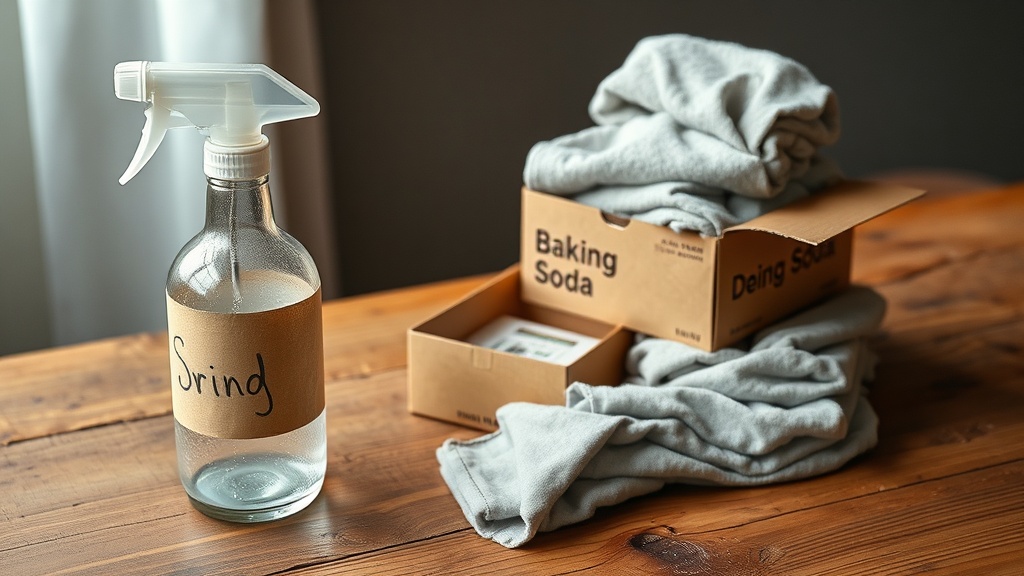
Once existing supplies are exhausted, many household cleaning tasks can be handled with three basic ingredients: white vinegar, baking soda, and dish soap.
- The All-Purpose Spray: 1 part white vinegar to 1 part water. It cuts grease and neutralizes odors without leaving a chemical residue.
- The Scrub: Baking soda mixed with a small amount of water to form a paste. It is highly effective on grout and grimy surfaces.
- The Heavy Lifter: A few drops of standard dish soap in warm water.
Mixing active ingredients at home reduces the environmental impact associated with shipping heavy, water-based cleaners in plastic bottles.
Decluttering: The Minimalist Audit
Minimalism focuses on keeping items that serve a clear function. During the decluttering process, evaluate the utility of household items. Items that have not been used in the past year are prime candidates for removal.
However, the disposal process is critical to maintaining an eco-friendly approach. Unwanted items should not simply be thrown in the trash or dropped off in bulk at overwhelmed thrift stores.
- Direct Redistribution: Utilize local community boards or neighborhood exchange groups. Getting items directly into the hands of people who will use them is highly efficient.
- Specialized Recycling: For electronics, textiles, and hazardous waste, research local specialized recycling centers. This requires more logistical effort than standard disposal, but it ensures materials are processed correctly.
Rags Over Paper Towels
Paper towels contribute to deforestation and single-use waste. Transitioning to reusable cloths is a straightforward sustainable swap. Cut up old, unwearable t-shirts or use worn-out bath towels. Keep a dedicated bin for dirty cleaning rags and wash them in a single hot load when finished.
Progress over perfection is a useful standard. Continuing to use conventional cleaners during a transition period is practical. The goal is to audit the space, use existing resources, and keep unnecessary consumption to a minimum.