Easter 2026: Sustainable Celebration Ideas That Actually Add Up

The amount of single-use petroleum products we accept as normal for spring traditions is wild. If a commercial business bought the equivalent of plastic Easter grass and flimsy snap-together eggs every week, their environmental assessment would tank. But when it's a sustainable holiday, marketing departments often get a free pass.
With Easter 2026 only two days away, it's time for a quick greenwash audit of our eco-friendly celebrations. Running the numbers on low-waste tips reveals a simple truth: the math doesn't always add up on "eco-chic" holiday products.
Here is a straightforward guide for anyone who wants a genuinely low-waste Easter celebration—no performative shaming, just practical choices.
The Great Plastic Egg Audit
Let’s look at the seasonal elephant in the room. Every year, a new wave of "plant-based" or "biodegradable" plastic eggs hits the shelves. (A quick reminder that "biodegradable" in a commercial facility running at 140 degrees is very different from a backyard compost pile).
The Swap That Works:
To actually reduce waste, stop buying things designed to be thrown away.
- The Lifetime Warranty Approach: Invest in wooden or hollow metal eggs. Yes, the upfront carbon cost of manufacturing a metal egg is higher than a cheap plastic one. But spread that over ten years of reuse, and the investment pays off.
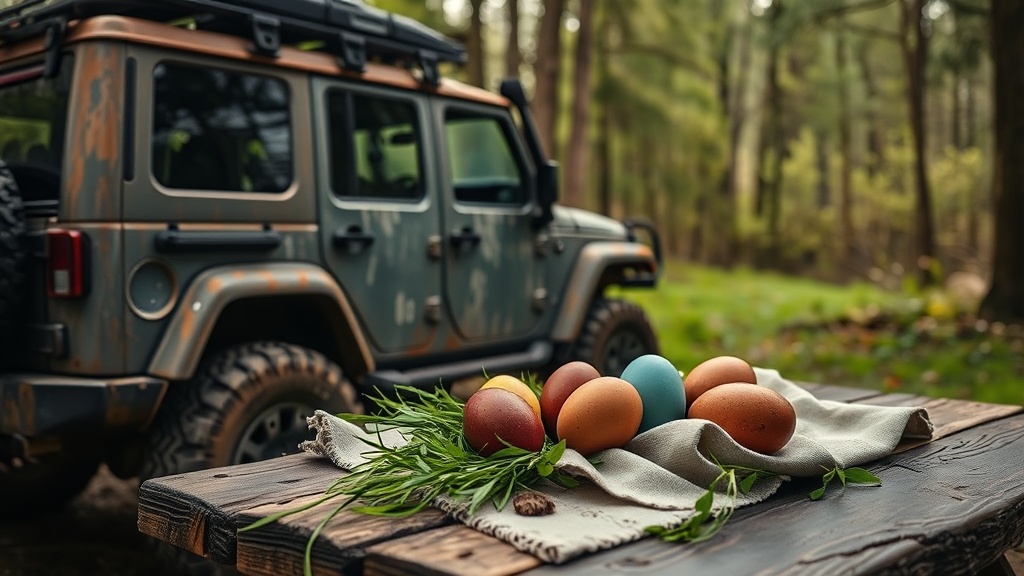
- The Old-School Method: Dyeing real, local eggs. Sourcing them from a local farm supports the local economy and cuts out the shipping emissions of plastic goods from overseas. Use onion skins, red cabbage, and turmeric for dye. It works, it’s cheap, and the shells are compostable.
The "Eco-Friendly" Basket Grass Vibe Check
Plastic basket grass is the glitter of the holiday world—it never truly goes away, and it always turns up months later. The "eco-friendly" paper grass is marginally better, but it still requires water and energy to manufacture just to be thrown out 48 hours later.
The Swap That Works:
Rethink the basket entirely. Use real fabric—a bandana, a reusable produce bag, or a cloth napkin. Or just skip the filler. No one's holiday is ruined because their chocolate wasn't resting on a bed of shredded green paper.
Plant-Based Menus and Local Logistics
Many eco-friendly celebrations focus on the decorations and ignore the supply chain of the holiday meal. Serving out-of-season "spring" produce that was flown 3,000 miles undermines the goal of reducing carbon.
The Swap That Works:
Focusing on a plant-based menu is a solid way to drop the carbon footprint of a meal, but the sourcing matters just as much. Head to a local farmers market to see what's actually growing in the region right now. Building an Easter 2026 menu around root vegetables and early spring greens from within a 100-mile radius is how a sustainable holiday is actually executed.
Celebrations involve trade-offs. The goal isn't to cancel the egg hunt or sit in the dark eating raw kale. But if the aim is an eco-friendly holiday, the choices need to be backed up by actual reduction in waste. Ditch the plastic grass, invest in reusables, and enjoy the spring refresh.