Earth Day Audit: The Math Behind Hotel 'Zero-Plastic' Pledges

Look, let's be real. With Earth Day 2026 looming and the UN global plastics treaty making headlines, every hospitality PR department is scrambling to declare their properties "100% single-use plastic-free." If you've booked a room lately, you've probably seen the triumphant emails announcing the end of those tiny shampoo bottles.
But before we hand out any medals for environmental stewardship, we need to run an audit. Because when you look at the supply chain logistics, the math doesn't add up.
The Bulk Dispenser Illusion
The standard industry playbook right now is replacing 2-ounce individual bottles with 16-ounce wall-mounted pump dispensers (often branded as "curated botanical experiences"). On paper, this reduces piece-count. In reality, it's frequently shifting the waste stream from a recycling bin to a landfill.
Here is the data: many municipal recycling programs cannot process mixed-plastic pump mechanisms, and housekeeping protocols at major chains often dictate that these bulk bottles are thrown away once they reach a certain fill line (or if tampering is suspected) rather than sanitized and refilled. You aren't eliminating plastic waste; you are just supersizing it.
The "Reuse Your Towel" Fallacy
This isn't new. The hospitality industry has a long history of rebranding cost-cutting measures as environmental activism. Remember the "reuse your towel to save the planet" signs that appeared in every bathroom a decade ago? It's the same playbook. Slashing the budget for individual toiletries and replacing them with cheaper bulk liquids is a financial decision, masquerading as an eco-policy.
If a hotel actually wanted to reduce their footprint, they would implement verifiable closed-loop supply chains. Instead, they give us a pump bottle and a press release. (If you want to know how to actually vet a hotel's claims, I wrote a whole guide on auditing the post-badge era that you should read before booking your next trip.)
The Pragmatic Wash Kit: A Vibe Check
So, how do dirty-boot travelers actually navigate this without carrying a pound of plastic? You take control of your own logistics.
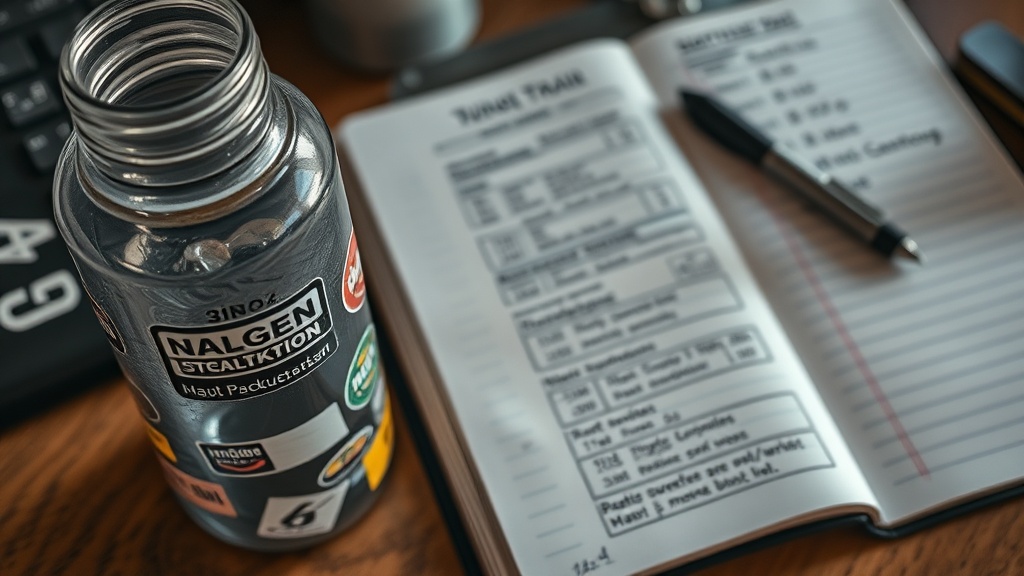
Just like I rely on The Tank (my battered, sticker-covered 32oz Nalgene) to avoid bottled water entirely, you need a wash kit that operates outside the hotel's supply chain. Here is the pragmatic packing list:
- Lifetime-Warrantied Refillables: Ditch the cheap drugstore travel bottles that inevitably crack in your dopp kit. Invest in high-grade, food-safe silicone or aluminum screw-top containers. They cost more upfront, but they last a decade. The math checks out over time.
- Solid Format Toiletries: The single most effective way to eliminate plastic packaging is to remove the water from the product. Solid shampoo, conditioner, and body wash bars come wrapped in compostable paper and last three times as long as their liquid equivalents.
- The Dry Bag Method: Store your solid bars in a small, breathable mesh bag or a dedicated travel tin so they don't turn into mush.
Travel involves trade-offs. We can't eliminate our footprint entirely, but we can stop buying into the marketing fluff. This Earth Day, let's ignore the press releases and focus on the data. Build a durable kit, pack it in, pack it out, and leave the greenwashing at the front desk.