Earth Day 2026: The Truth About Bio-Harmony Gardening (And Why You Should Ditch the Sleep Supplements)

If you have spent any time online lately, you have likely seen the ads for expensive "bio-harmony" supplements or premium circadian-syncing light bulbs. The wellness industry has recognized that many of us are exhausted, and they are quick to offer costly, artificial solutions.
But why pay a premium to artificially mimic the natural light cycles and nutrients that exist right outside our doors?
As we approach Earth Day 2026, it is time to cut through the noise. You do not need a premium subscription to align your internal clock. Aligning your gardening habits with your circadian rhythm—a key pillar of spring wellness—is a straightforward, practical approach to better sleep.
Here is a guide to creating a bio-harmony garden that naturally supports your sleep cycles.
Prioritize Morning Sunlight
Your circadian rhythm is primarily anchored by light exposure. One of the best things you can do for your sleep actually happens early in the morning, not right before bed.
When planning a garden, position the highest-maintenance plants—the ones requiring daily watering or harvesting—in a spot that catches direct morning sunlight. This creates a natural incentive to get outside within the first hour of waking up. Exposure to natural daylight halts your body's melatonin production and sets your internal timer for the day. Spending the first few minutes of the morning checking on plants is a proven way to ground your routine in natural light.
Grow Melatonin-Supporting Herbs
Instead of relying on store-bought supplements, optimize your bio-harmony by planting crops that naturally support melatonin production and nervous system regulation.
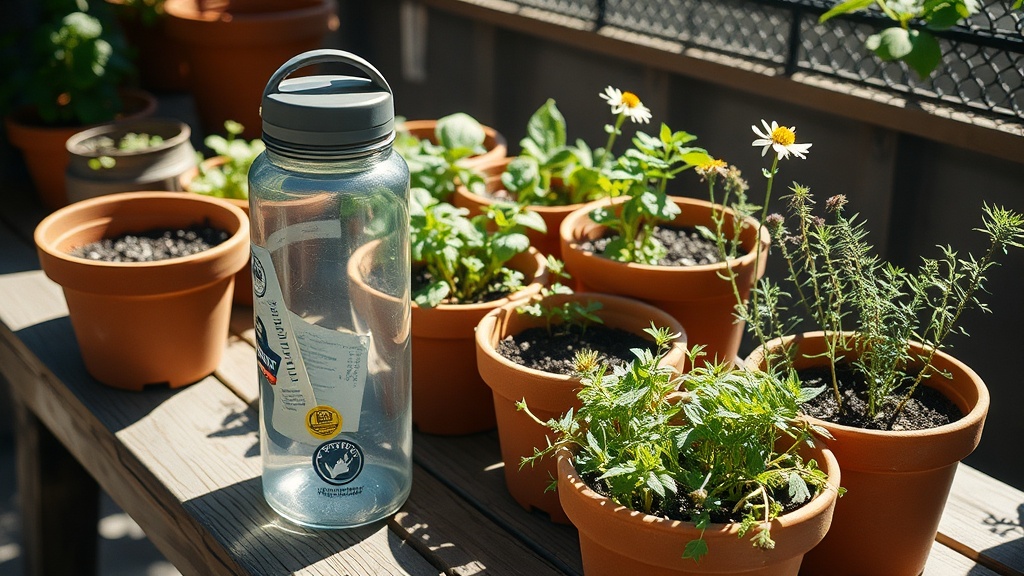
- Chamomile & Lemon Balm: These are excellent choices for evening relaxation. They grow vigorously, so containing them in pots is often recommended to keep them from overtaking a garden bed.
- Thyme & Sage: Low-maintenance herbs packed with compounds that support restorative sleep. They thrive in well-draining, dry soil and require very little attention.
- Tart Cherries: For those with the space and the right climate, a dwarf tart cherry tree is one of the few natural sources of potent melatonin. While it is a longer-term project, the benefit of having a natural sleep aid in the backyard is substantial.
Design for the Evening Dark Cycle
Garden lighting plays a significant role in bio-harmony. The trend of using hyper-bright LED floodlights in outdoor spaces can disrupt both local ecosystems and human circadian rhythms.
If an outdoor space is brightly illuminated late into the night, it confuses the brain's natural wind-down process.
To reinforce natural light-dark cycles, keep evening garden lighting functional and minimal. Use low-lumen, warm-toned (amber or red) solar pathway lights only where necessary for safety. This gentle lighting signals that the sun has set, allowing natural melatonin production to begin unimpeded.
A Practical Earth Day
This Earth Day, remember that sustainability does not require perfection or expensive new supplies. There is no need to purchase matching sets of reclaimed-wood planters to participate. Upcycle existing containers, plant a few seeds, and let the sun do its work.
The most effective step toward better bio-harmony is often the simplest: replacing expensive, bottled solutions with the natural benefits of sunlight and a bit of soil.
You might also enjoy
- The Meta Shift: Surviving the Daylight Saving Sleep Reset
- Logistics Audit: The Real Yield of a Spring Windowsill Herb Garden
- Earth Day 2026: The Logistics of Bio-Harmony Eating (And A Zero-BS 7-Day Plan)