
Earth Day 2026: The Pragmatic Guide to Community Clean-Ups and Climate Action

Look, let's be real—by the time April rolls around, my inbox is usually a dumpster fire of "Earth Month" marketing fluff. Every brand suddenly wants to sell me a slightly greener version of something I didn't need in the first place, usually wrapped in recycled paper and a healthy dose of guilt.
If we're talking about actual environmental sustainability and climate action, we need to skip the performative eco-chic sales and look at the logistics of what actually moves the needle. And the data is pretty clear: localized community action combined with policy advocacy is where the math actually checks out.
Here is your BS-free guide to making Earth Day 2026 count, without having to buy a single "sustainable" tote bag.
The Real Math on Community Clean-Ups
There's a persistent myth that community clean-ups are just about making a park look nice for the weekend. While pulling fifty pounds of abandoned plastic out of a local watershed is inherently good, the real value is in the data.
When you join a well-organized community clean-up, you aren't just a volunteer garbage collector—you're a field auditor. The best organizations do what's called a "brand audit," logging exactly which corporations are responsible for the plastic waste choking our trails and rivers. That data is then aggregated and used to lobby for extended producer responsibility (EPR) laws.
If you want to maximize your impact this week, find a local event that tracks what they collect. Show up, bring heavy-duty gloves, and treat it like a field operation.
Policy Advocacy: Where the Rubber Meets the Road
Vibe Check: Organizing a trail clean-up feels great, but changing the laws that allowed the trash to get there in the first place is what actually shifts the baseline.
Climate action isn't just about personal carbon footprints (a concept popularized by an oil company, by the way). It's about systemic logistics. If you have limited bandwidth this Earth Day, spend thirty minutes looking up your local city council's current environmental agenda. Are they voting on municipal composting? Are they zoning for better public transit?
Call your local representatives. It sounds terribly analog, but a phone call carries a massive logistical weight in local government compared to a clicktivist petition. Tell them you support specific, data-backed sustainability initiatives.
Your Field Kit for Earth Day 2026
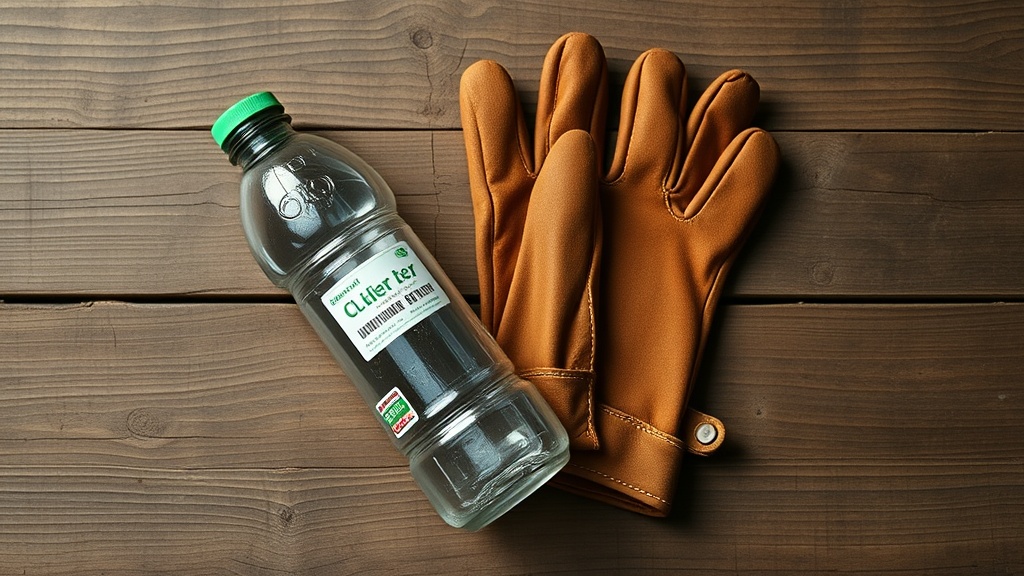
If you're heading out to a local clean-up this weekend, keep the gear simple. You do not need to buy anything new.
- Hydration: I'll have "The Tank" (my battered 32oz Nalgene) filled to the brim. Single-use plastic water bottles at a clean-up event is a level of irony I refuse to entertain.
- Protection: Wear work gloves you already own. Those flimsy plastic grabbers usually break after an hour—stick to your hands or borrow a metal tool from a neighbor.
- Transport: Carpool to the event, or better yet, take public transit. The math doesn't add up if thirty people drive separate SUVs to pick up a few bags of litter.
This Earth Day, let's drop the performative marketing and get our hands dirty where it counts. Support your local economies, audit the waste, and demand better policies. Progress over perfection, always.