Earth Day 2026: The Logistics of Bio-Harmony Eating (And A Zero-BS 7-Day Plan)

Look, let's be real. The wellness industry has discovered "bio-harmony eating," and they are ready to sell it to you in the form of a $90 proprietary powder blend. But if you strip away the marketing fluff, aligning your eating plan with your circadian rhythm is just basic logistics. It means eating local, seasonal food when the sun is up, and stopping before you try to sleep so you actually have the energy to tackle a 6 AM hike instead of feeling like a sluggish rock.
As we look toward Earth Day 2026, the conversation always shifts to how we can reduce our footprint. The math checks out on this one: eating local, low-impact foods and eliminating food waste isn't just an "eco-friendly" gesture (though it is that). It’s an operational upgrade. You save money, you don't throw away half-rotten spinach at the end of the week, and your body actually runs better. No guilt trips included.
Here is a practical, 7-day "bio-harmony" meal plan that syncs with natural light cycles, prioritizes low-impact foods, and heavily relies on not wasting the groceries you just bought.
The Ground Rules
Before we get to the schedule, let's set some baseline logistics:
- The Light Window: Eat your meals during daylight hours. Stop eating 2-3 hours before bed. This is the core of circadian rhythm nutrition.
- The "Use-It-Up" Protocol: Friday is for clearing the fridge. If it’s wilting, it goes in a soup or a scramble.
- Local Over Labels: Don't stress over buying organic avocados flown in from 3,000 miles away. Buy what is grown within a day’s drive of your zip code.
The 7-Day Logistics Audit: A Circadian Meal Plan
Monday: The Baseline Reset
- Breakfast (Post-Sunrise): Overnight oats using locally sourced grains and whatever fruit is currently in season. Prep it in your trusty 32oz Nalgene if you're hitting the road.
- Lunch (Midday Peak): A massive salad utilizing hearty greens (kale or chard) that won't get soggy. Toss in roasted chickpeas for protein.
- Dinner (Pre-Sunset): One-pan roasted seasonal root vegetables and local poultry or tempeh. Save the vegetable peels for broth.
Tuesday: The Leftover Protocol
- Breakfast: Toast with nut butter and leftover fruit from Monday.
- Lunch: "Monday Night Remix." Chop up last night's roasted veggies and protein, mix with quinoa, and hit it with a heavy dose of hot sauce.
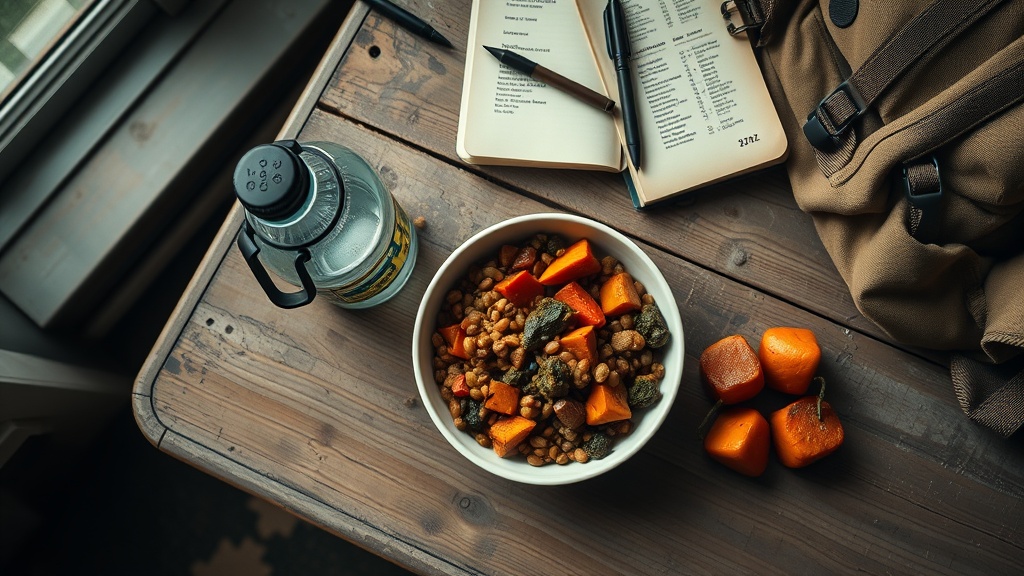
- Dinner: Lentil stew. Lentils are cheap, shelf-stable, and have a minimal carbon footprint. Make a big batch.
Wednesday: Mid-Week Efficiency
- Breakfast: Savory oatmeal topped with a fried egg.
- Lunch: Leftover lentil stew from Tuesday. (Notice a trend? Cooking every single meal from scratch is inefficient).
- Dinner: Fish tacos. If you eat seafood, source it locally or check for sustainable certifications (and actually look up what the certification means, don't just trust the sticker).
Thursday: The Forage
- Breakfast: Smoothie using the slightly bruised fruit you didn't finish earlier in the week.
- Lunch: Deconstructed taco bowl using Wednesday's leftover fish and cabbage slaw.
- Dinner: Pasta with a "fridge-clear" pesto. You can make pesto out of almost any wilting green—spinach, arugula, or even carrot tops. The math doesn't add up on throwing those away.
Friday: The Operational Audit (Zero-Waste Day)
- Breakfast: Scramble utilizing the last of the week’s eggs and any random vegetable scraps.
- Lunch: The final bowl of Tuesday's lentil stew.
- Dinner: "Kitchen Sink" Fried Rice. Day-old rice is actually better for this. Toss in every remaining vegetable in the crisper drawer.
Saturday: Community Sourcing
- Breakfast: Grab something from a local bakery or farmer's market. Support the local economy.
- Lunch: Picnic-style lunch from market finds—local cheeses, breads, and seasonal produce. Eat it outside in the daylight.
- Dinner: Grill night. Keep it low-impact with vegetable skewers and locally sourced protein.
Sunday: Prep and Protect
- Breakfast: Pancakes or waffles. You survived the week.
- Lunch: Leftovers from Saturday's grill session.
- Dinner: A heavy, vegetable-forward soup or chili. Let it simmer while you prep your overnight oats for Monday.
Vibe Check: Progress over Perfection
You aren't going to get this right every day. Sometimes your flight gets delayed and you end up eating a stale airport sandwich at 11 PM. That's fine.
The goal for Earth Day 2026—and every day after—isn't to be a perfect "eco-warrior." It’s to make pragmatic, sustainable choices that actually work for your life and your body. Aligning your eating with the sun and actively managing your food waste is a massive step in the right direction.
Now, go wash your water bottle.