Earth Day 2026: NYU's Student-Led Zero-Waste Initiative for Campus Events

As Earth Day 2026 approaches, sustainability is taking center stage on college campuses. While large events often struggle with excess waste—from single-use plastics to discarded promotional materials—students at New York University are taking a highly structured approach. Student groups are actively partnering with dining halls, facilities management, and event planners to implement a comprehensive zero-waste initiative that addresses material use before events even begin.
By treating waste reduction as an operational requirement rather than an afterthought, NYU students are demonstrating how large-scale campus events can run efficiently with a minimal environmental footprint. Here is a breakdown of how this initiative works and practical strategies for replicating it at other community gatherings.
Implementing the Green Events Standard
A major hurdle for large-scale campus events is managing the sheer volume of materials distributed to attendees. NYU’s student-led initiative addresses this by leaning into the university's Green Events Standard, turning sustainability guidelines into clear operational protocols.
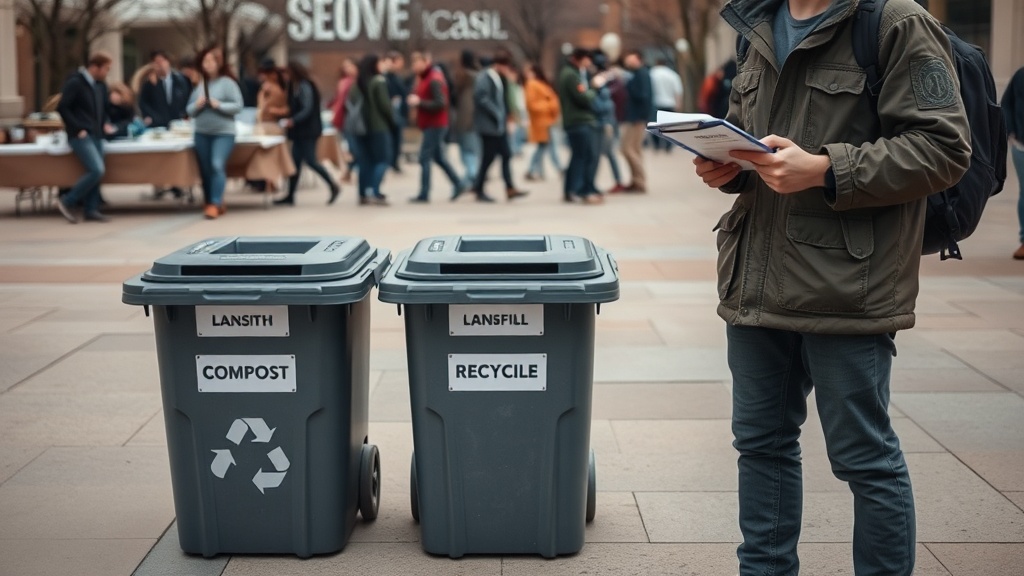
A core component of their strategy is effective waste sorting. The initiative mandates co-locating landfill, recycling, and compost bins across major venues like the Kimmel Center. Organizers recognize that separated, clearly labeled bins are essential; placing all three options together with prominent signage significantly reduces cross-contamination and ensures that compostable and recyclable materials are processed correctly.
How to Replicate the Zero-Waste Model
For students planning an event, or community members looking to organize a sustainable gathering, achieving zero waste requires coordination across the entire planning process. Here are the primary strategies driving the NYU initiative:
- Reevaluate Promotional Items: The production, shipping, and disposal of short-lived promotional items carry a significant environmental cost. The initiative encourages organizers to avoid ordering single-use giveaways, focusing instead on digital resources or high-utility items only when necessary.
- Coordinate Food Packaging: Event planners work directly with dining halls and caterers to eliminate single-use plastics from the start. This includes mandating compostable serving ware and prioritizing bulk dispensing for food and beverages over individually packaged portions.
- Monitor Waste Stations: Simply providing bins is rarely enough. The zero-waste model involves setting up dedicated, monitored waste stations. Having volunteers or staff guide attendees on where to place their items prevents cross-contamination, which is critical for ensuring that composting and recycling efforts succeed at scale.
A Blueprint for Better Events
The NYU students driving this zero-waste initiative are proving that effective planning can drastically reduce an event's environmental impact. By focusing on supply chain coordination, clear communication, and strategic campus partnerships, they are setting a new standard for student gatherings.
Before planning a spring event, consider reviewing your material needs and operational plans. With a focus on reducing single-use items and streamlining waste collection, any organization can host a cleaner, more sustainable event.