Earth Day 2026: A Greenwash Audit of Your Daily Eco-Habits

Look, let's be real—Earth Day has basically become the Super Bowl of greenwashing. Every April, our feeds get clogged with brands trying to sell us a slightly more beige, "eco-chic" version of something we already own.
When evaluating the real-world impact of consumer habits, there should be zero patience for performative sustainability. If we’re going to talk about adopting eco-friendly habits in our daily lives this Earth Day, we need to leave the guilt trips at the door and look at the actual data.
Here is a pragmatic audit of common daily eco-habits to see where the math checks out, and where it really doesn't.
The "Buy to Save" Fallacy
Vibe Check: Fails miserably.
There is a weird cultural obsession with replacing perfectly functional plastic items with new, sustainable alternatives. Tossing out a half-used plastic soap dispenser to buy a glass one with a bamboo pump? The math doesn't add up. The most sustainable item is the one you already own. Run your existing gear into the ground. Whether it’s your current hiking boots or a plastic tupperware container, extending the lifecycle of a manufactured good is always better than buying a new one (even if the new one is packaged in recycled cardboard).
The Reusable Bottle Hoard
Vibe Check: Needs an intervention.
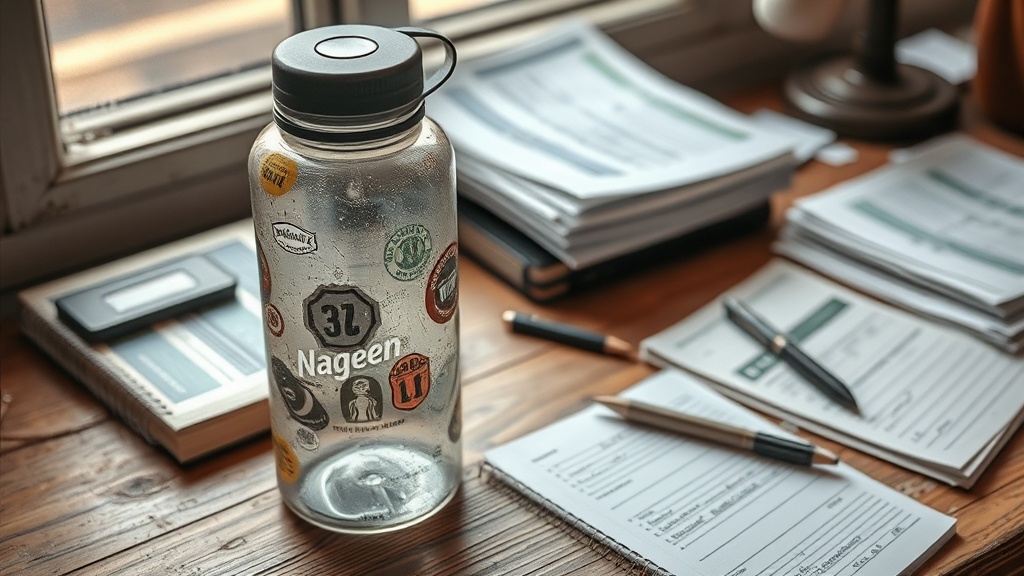
Let’s talk about hydration. Carrying a battered, sticker-covered reusable bottle everywhere is a great habit, but here's the catch: while a steel container offsets its manufacturing footprint in just weeks to months, that math only works if you actually use it. If your kitchen cabinet currently holds a matching, color-coordinated collection of 14 different insulated tumblers, you aren't reducing waste; you're just collecting steel. Pick one durable container and commit to it.
Commuting vs. The Electric Dream
Vibe Check: Complex, but the math checks out for transit.
Everyone wants to talk about buying a brand-new EV to save the planet. But if you work from home or only commute a few miles, the embedded carbon of manufacturing a new car is massive. Real daily sustainability isn't always shiny. It looks like learning the local bus schedule, taking regional transit, or just consolidating your weekly errands into a single trip. Sometimes the highest-impact choice is just putting on a good jacket and walking.
The Unsexy Fixes: Energy Efficiency
Vibe Check: Highly effective, zero Instagram appeal.
Nobody is going to give you a medal for weather-stripping your front door or switching to a transparent energy provider, but these are the unsexy daily habits that actually matter. Instead of buying a new "recycled ocean plastic" fleece, turn your thermostat down a couple of degrees and put on a sweater you've owned since 2018. Pay attention to your energy bills and water usage. It lacks the aesthetic of an eco-resort, but from a strictly logistical standpoint, optimizing your home's efficiency is a massive win.
Action Over Aesthetics
This Earth Day, don't buy into the marketing fluff. You don't need to be a perfectly zero-waste hero to make a difference. Progress over perfection is the only sustainable way forward. Support local economies, demand transparency, and remember that real environmental action doesn't usually come with a discount code.
Now, go drink some water out of whichever dented bottle you already own.