Earth Day 2026: 7 Easy Sustainable Swaps to Reduce Your Home's Carbon Footprint

Look, let's be real: every April, my inbox gets flooded with PR pitches for $300 "artisan-crafted, sustainably harvested" bamboo toothbrushes. It's the annual Earth Day greenwashing Olympics, and honestly, the math doesn't add up.
Following the March 2026 IPCC report, which basically highlighted that individual actions do matter if we actually scale them, a lot of folks are asking me what they can do that isn't just performative nonsense. You don't need to rip out your walls, buy a $60,000 EV tomorrow, or guilt trip your neighbors to start reducing your home's carbon footprint.
If you are a renter, on a budget, or just allergic to marketing fluff, here are seven pragmatic, low-cost sustainable swaps that deliver measurable carbon savings without requiring a second mortgage.
1. The LED Lighting Math
I know, we've been talking about LEDs for a decade. But if you're still holding onto those old incandescents or early-gen CFLs because they "work fine," it's time for an upgrade.
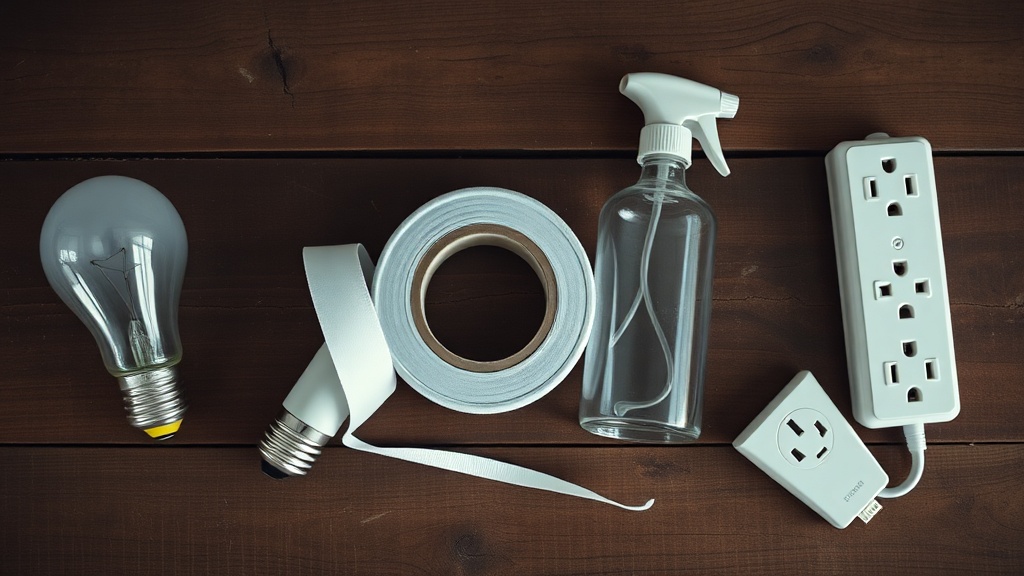
The logistics audit: LEDs use up to 90% less energy and last 25 times longer. An average household can save hundreds of pounds of CO2 emissions annually just by swapping out the five most frequently used bulbs. It’s a sub-$20 investment with an immediate ROI on your transparent energy bill.
2. Reusable Cleaning Concentrates (Skip the Water Weight)
Shipping heavy bottles of liquid cleaner—which are 90% water—across the country is a logistical nightmare.
Vibe Check: Stop paying for water and plastic. Switch to glass spray bottles and concentrated cleaning tablets or drops. You just add your own tap water. It cuts down on single-use plastics and massively reduces the carbon footprint associated with transit logistics. Plus, they fit neatly into a tiny apartment cabinet.
3. Smart Thermostat Tweak (Even if it's Dumb)
You don't need a $250 smart thermostat if you're renting. You just need to be smarter than your current one.
Adjusting your thermostat just two degrees—down in the winter, up in the summer—can cut your heating and cooling emissions by 10%. If you can install a programmable thermostat, do it. But simply forming the habit of turning the dial when you leave for work or go to sleep is a free, high-impact swap. The math checks out.
4. The "Vampire Power" Audit
Take a walk around your apartment. See all those little glowing red and green lights on your TV, microwave, and chargers? That's vampire power, and it accounts for about 10% of the average home's electricity use.
Fix it by plugging your entertainment centers and desk setups into smart power strips. When you turn off the main device (like your TV or laptop), the strip cuts power to all the peripheral junk. Zero effort once it's set up.
5. Cold Water Laundry Operations
Heating water accounts for roughly 90% of the energy your washing machine uses.
Unless you are washing oil-soaked mechanic coveralls (or some seriously degraded backcountry gear), cold water works just fine for your daily wear. Modern detergents are literally engineered for it. This is a zero-cost swap that significantly lowers your footprint and actually helps your clothes last longer.
6. Draft-Proofing the Perimeter
Before you start pricing out double-paned windows, check your weatherstripping.
A massive amount of heating and cooling is lost through poorly sealed doors and windows. A $10 roll of weatherstripping tape or a draft dodger for your front door is a simple weekend operation. It's not glamorous, but keeping the air you paid to heat or cool inside your apartment is basic thermodynamics.
7. The Low-Flow Aerator Retrofit
Water processing and pumping require a massive amount of energy.
Unscrew the end of your bathroom and kitchen faucets and replace the aerators with low-flow models. They cost about $5 each, take two minutes to install with a wrench, and can cut your water usage by 30% without you ever noticing a drop in water pressure. It’s the definition of a high-utility, low-friction upgrade.
The Debrief
We don't need a handful of people doing zero-waste perfectly; we need millions of people doing the pragmatic, budget-friendly basics. This Earth Day, skip the hyper-expensive eco-chic marketing drops. Audit your own space, make the straightforward swaps, and save your cash for the next actual adventure. No guilt trips included.